

When you’re gearing up for a hike, your backpack isn’t just a bag—it’s your lifeline. But what exactly is a hiking backpack, and why should you care about choosing the right one?
Unlike a regular backpack, a hiking backpack is specially designed to carry your gear comfortably over long distances and rough terrain. It supports your back and hips, keeps your essentials organized, and makes your journey easier and more enjoyable. If you want to avoid sore shoulders and struggling with your load, understanding what a hiking backpack offers can make all the difference.
Keep reading to discover what makes these backpacks unique and how to pick the perfect one for your next adventure.
Hiking Backpack Basics
A hiking backpack is an essential gear for outdoor adventures. It carries all your supplies comfortably and safely. Understanding the basics helps you choose the right pack for your needs. This section explains the main features of hiking backpacks.
Purpose And Use
A hiking backpack is made to carry gear on trails. It supports your back and distributes weight evenly. This reduces strain during long walks. It also offers easy access to essentials like water, snacks, and maps. Hiking backpacks come with special pockets and straps for tools and equipment.
Key Differences From Regular Backpacks
Regular backpacks are for everyday use and light loads. Hiking backpacks are built for rough terrain and heavy weight. They have stronger materials and better support systems. Padded straps and hip belts improve comfort on long hikes. Hiking packs also have weather-resistant fabrics to protect your gear.
Daypack Vs Hiking Backpack
Daypacks are smaller and lighter for short trips. They hold just enough for a few hours outside. Hiking backpacks are larger and designed for multi-day trips. They can carry tents, sleeping bags, and extra clothes. Daypacks usually lack hip belts and advanced back support found in hiking backpacks.

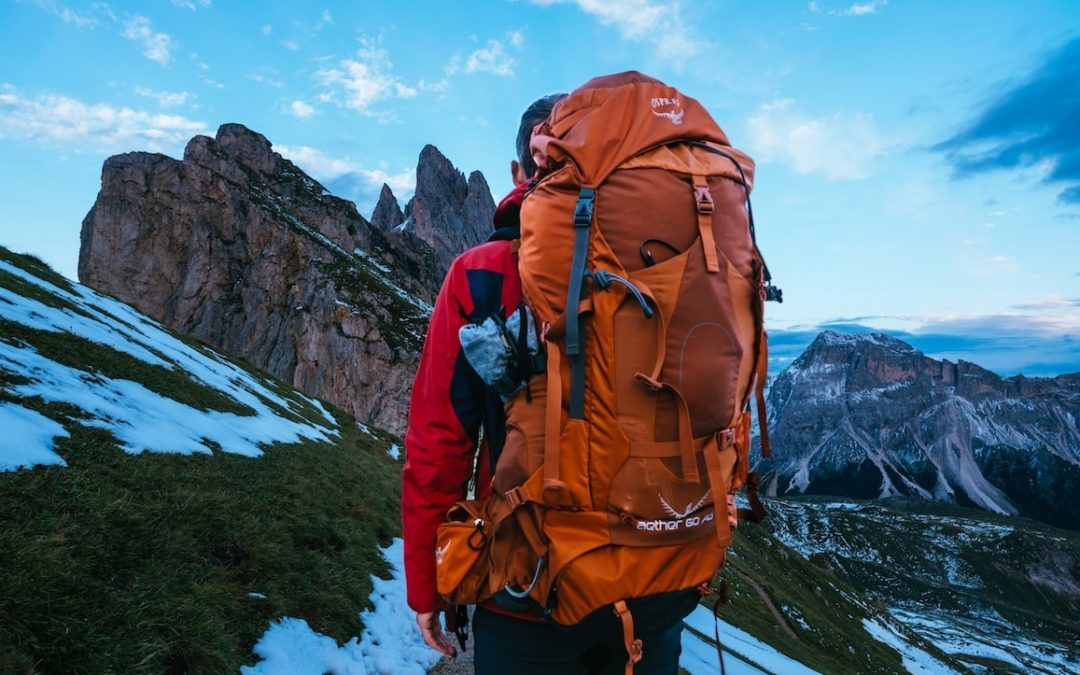
Essential Features
A hiking backpack must have certain features to make your trek easier and safer. These features help carry your gear comfortably and keep it organized. Knowing these essentials helps you pick the right backpack for your needs.
Internal Frame And Stays
An internal frame gives the backpack shape and support. It keeps the load close to your back for better balance. Stays are rigid parts inside the frame that help spread weight evenly. This reduces strain on your shoulders and back.
Suspension System And Padding
The suspension system includes straps and belts that hold the pack in place. Padded shoulder straps cushion your shoulders from heavy loads. A padded hip belt shifts weight to your hips, easing pressure on your back. Together, they improve comfort on long hikes.
Top-loading And Access Points
Top-loading backpacks open from the top for easy packing. Some have extra access points, like side zippers or front panels. These allow quick access to gear without unpacking everything. Multiple access points help organize items better.
External Attachment Options
Loops, daisy chains, and straps let you attach gear outside the pack. You can carry trekking poles, sleeping bags, or tents this way. External options add space without crowding inside the pack. They keep bulky items within reach.
Hydration Compatibility
Many hiking backpacks include a sleeve for a hydration bladder. A hose outlet lets you drink water without removing the pack. Hydration compatibility keeps you hydrated on the trail. It saves time and effort during your hike.
Ventilation Design
Ventilation helps reduce sweat and heat build-up on your back. Mesh panels or suspended mesh frames create airflow between you and the pack. Good ventilation keeps you cooler and more comfortable. It prevents skin irritation during long hikes.
Types Of Hiking Backpacks
Hiking backpacks come in various types to suit different outdoor adventures. Choosing the right type helps carry your gear comfortably and safely. Each type offers unique features for specific hiking needs. Understanding these types makes packing easier and hiking more enjoyable.
Daypacks
Daypacks are small backpacks designed for short hikes. They usually hold 15 to 30 liters of gear. These packs carry essentials like water, snacks, and a light jacket. Daypacks are lightweight and easy to carry. They often have padded straps and a simple design. Perfect for hikes that last a few hours or less.
Overnight Packs
Overnight packs are larger than daypacks, holding 30 to 50 liters. They fit gear needed for one or two nights outdoors. These packs have space for a sleeping bag, clothes, and cooking tools. They offer more support with padded hip belts and adjustable straps. Great for short camping trips or weekend hikes.
Multi-day And Expedition Packs
Multi-day and expedition packs are made for long trips. They hold 50 liters or more, sometimes over 70 liters. These packs carry heavy loads and bulky gear like tents and food. They feature strong frames and many compartments for organization. Designed for serious hikers and backpackers on extended journeys.

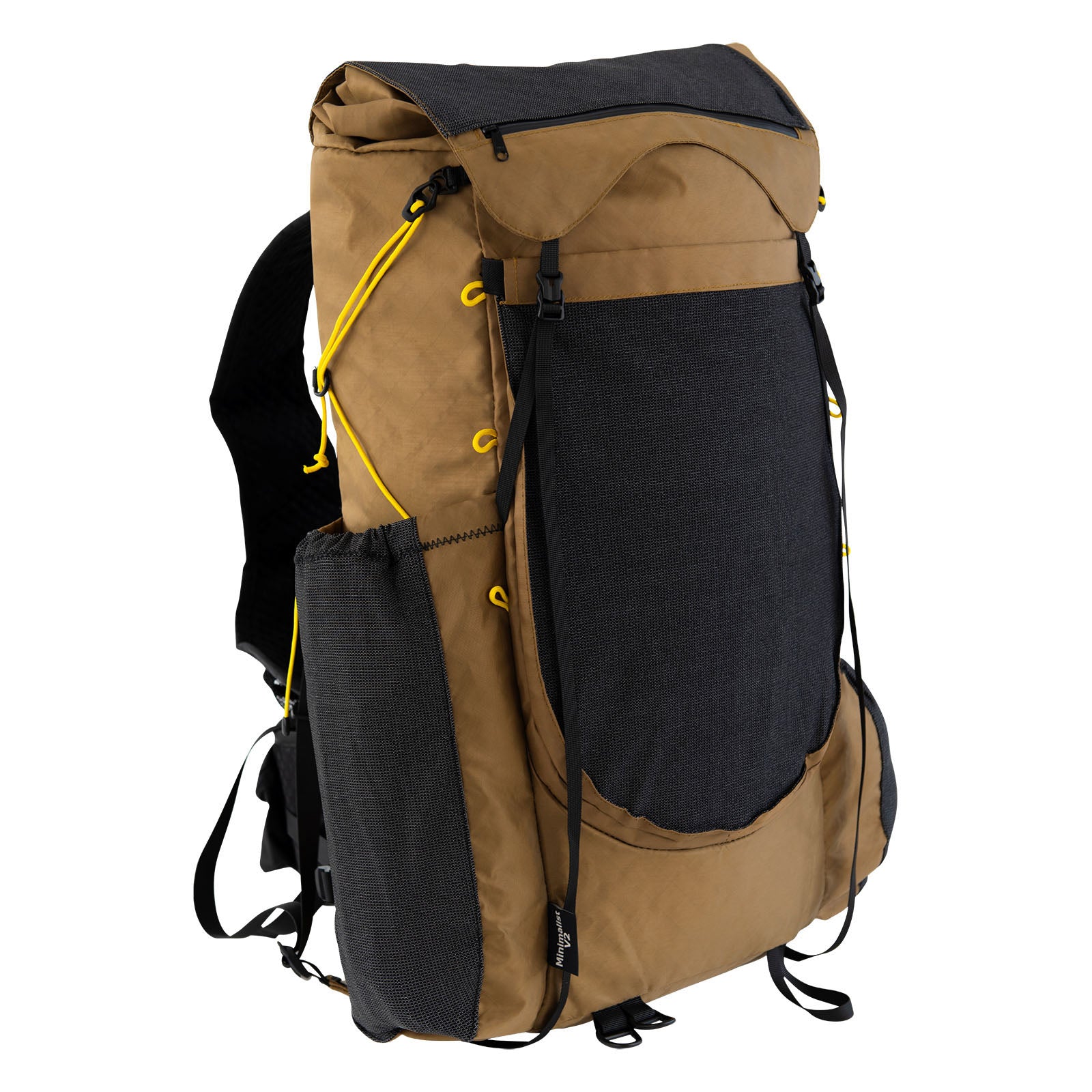
Choosing The Right Size
Picking the right size hiking backpack is key for a comfortable trip. The size affects how much gear you can carry and how well the pack fits your body. A too small pack limits your supplies. A too big pack can be heavy and hard to manage. Finding the right balance helps you enjoy every step on the trail.
Capacity And Trip Length
Match the backpack capacity to your trip length. For day hikes, choose a pack around 20-30 liters. Overnight trips need 40-60 liters for clothes, food, and sleeping gear. Longer trips over several days require 60 liters or more. Carry only what you need to avoid extra weight.
Load Weight Considerations
Think about how much weight you will carry. Heavy loads need backpacks with strong support and padding. Lighter loads allow smaller packs. Keep your pack weight under 20% of your body weight for comfort. Distribute weight evenly to reduce strain on your back and shoulders.
Fit And Suspension Adjustments
A backpack must fit your torso length and waist size. Adjustable straps help customize the fit. The suspension system transfers weight from shoulders to hips. Hip belts reduce pressure on your shoulders. Try different sizes and adjust straps until the pack feels snug but not tight.
Material And Durability
The material and durability of a hiking backpack are essential for outdoor adventures. These factors ensure the backpack withstands tough trails and carries your gear safely. A strong backpack lasts longer and keeps you comfortable on the hike. Understanding the fabric, weather resistance, and reinforcements helps you pick the right pack.
Fabric Types
Hiking backpacks use different fabrics like nylon and polyester. Nylon is strong, lightweight, and resists tears well. Polyester is more affordable and holds color longer. Some backpacks have ripstop fabric to prevent small holes from growing. The choice of fabric affects the pack’s weight and strength.
Weather Resistance
Good hiking backpacks resist rain and moisture. Many use water-resistant coatings or laminates. Some fabrics dry quickly after getting wet. Waterproof backpacks keep gear dry in heavy rain. Weather resistance protects your belongings and adds to the pack’s durability.
Reinforcements And Wear Areas
Areas that face the most wear get extra reinforcement. Bottoms and corners often have thicker fabric or padding. Stitching is stronger at stress points. Reinforcements prevent tears and extend the backpack’s life. Durable wear areas help the pack handle rough terrain and heavy loads.
Packing Tips And Organization
Packing and organizing your hiking backpack well makes your trip easier and safer. A well-packed backpack helps keep balance and saves energy on the trail. It also protects your gear from damage and makes finding items quicker. Small changes in how you pack can improve your comfort a lot.
Weight Distribution
Place heavy items close to your back and near your shoulders. This keeps your center of gravity stable. Avoid putting all weight at the bottom or far from your body. Spread the weight evenly on both sides of the pack. This helps prevent strain and keeps your balance steady on rough trails.
Using Compartments And Pockets
Use each compartment for specific gear types. Keep frequently used items in easy-to-reach pockets. Small pockets are perfect for snacks, maps, or a compass. Larger compartments hold clothes, food, and sleeping gear. Organizing this way saves time and reduces how often you unpack the whole bag.
Securing Gear Externally
Some gear like trekking poles, tents, or sleeping mats fit best outside the pack. Use straps and loops to secure these items tightly. Make sure nothing sticks out too far to avoid getting caught on branches. Check that external gear is stable and balanced to keep your pack comfortable and safe.
Popular Hiking Backpack Brands
Many hikers trust certain brands for their reliability and comfort. Popular hiking backpack brands have built strong reputations. They offer quality, durability, and smart designs. Choosing a backpack from a well-known brand can improve your hiking experience. Here are some top brands that hikers prefer.
Rei
REI backpacks are known for their strong build and practical features. They offer various sizes and styles for different trips. REI designs focus on comfort and load distribution. Their backpacks often include adjustable straps and multiple compartments. Many hikers find REI backpacks easy to carry on long trails.
Patagonia
Patagonia backpacks combine durability with eco-friendly materials. They are lightweight and designed for all-day comfort. The brand’s attention to detail helps keep your gear organized. Patagonia packs often include weather-resistant fabrics. They suit hikers who care about sustainability and quality.
Osprey
Osprey is famous for its ergonomic designs and excellent support systems. Their backpacks fit well and reduce strain on your back. Osprey offers a variety of packs for short hikes and multi-day trips. Many models feature ventilation systems to keep you cool. The brand provides reliable backpacks for serious hikers.
The North Face
The North Face backpacks balance style, function, and toughness. They use high-quality materials to withstand rough conditions. Their packs have useful compartments for gear and hydration. Many hikers trust The North Face for both casual and challenging hikes. The brand’s backpacks offer good value and durability.
Affordable Options
Affordable hiking backpacks are perfect for beginners or occasional hikers. Brands like Ozark Trail and Eddie Bauer provide budget-friendly choices. These backpacks cover basic needs without high costs. They often have simple designs but still offer comfort and space. Affordable packs are a smart way to start hiking without spending much.


When To Use A Hiking Backpack
A hiking backpack is a key piece of gear for carrying essentials on outdoor trips. Knowing when to use one helps you stay prepared and comfortable. Different hiking adventures need different types of backpacks. Choose one that fits your trip length and activity. Here are some common situations to carry a hiking backpack.
Short Day Hikes
Short day hikes last a few hours to a full day. A small hiking backpack holds water, snacks, and light layers. It keeps your hands free and weight balanced. Use it to carry a first aid kit and a map. Even on short hikes, a backpack improves comfort and safety.
Extended Backpacking Trips
Extended trips last several days or more. A large hiking backpack carries camping gear, food, and clothes. It has special compartments for a sleeping bag and tent. The backpack’s frame supports heavy loads and reduces back strain. Choose a pack with adjustable straps for a good fit. It makes long treks easier and less tiring.
Specialized Outdoor Activities
Some activities need backpacks designed for specific gear. Climbing backpacks have rope attachments and helmet holders. Winter hiking packs offer extra space for bulky clothing. Hydration packs include water reservoirs for easy drinking. Specialized backpacks improve safety and convenience during these activities. Pick one that suits your outdoor adventure type.
Frequently Asked Questions
What Is The Difference Between A Hiking Backpack And A Regular Backpack?
A hiking backpack offers better load support with padded hip belts and internal frames. It has rugged durability and multiple compartments. Regular backpacks focus on casual use, lacking specialized support and weather resistance for rough terrain and heavy gear.
What Is The Difference Between A Daypack And A Hiking Backpack?
A daypack is smaller, lighter, and suits short trips with minimal gear. A hiking backpack offers more support, padding, and space for longer, heavier treks.
What Are Hiking Backpacks For?
Hiking backpacks carry gear comfortably during outdoor treks. They offer support, ventilation, and multiple compartments for essentials like water and food. Their design shifts weight to hips, reducing shoulder strain and enhancing endurance on rough terrain.
Do You Really Need A Hiking Backpack?
A hiking backpack improves comfort and support when carrying heavy gear on trails. For short hikes, a regular bag may suffice. Choose based on trip length and load weight for optimal experience and injury prevention.
Conclusion
A hiking backpack helps carry your gear comfortably on trails. It offers support and space for essentials like water, food, and clothes. Choosing the right size and features improves your hiking experience. Remember to pick a pack that fits your trip length and load needs.
With a good hiking backpack, your outdoor adventures become easier and more enjoyable. Keep this in mind for your next hike.
