

Gym Bag Materials: Ultimate Guide to Durability and Style 2026
Choosing the right gym bag material can make a huge difference in how well your bag holds up and protects your gear. You want something durable, easy to clean, and able to handle sweat, water, and daily wear and tear.
But with so many options like nylon, polyester, leather, and canvas, how do you know which one fits your needs best? You’ll discover the pros and cons of the most popular gym bag materials so you can pick the perfect bag that keeps up with your active lifestyle.
Keep reading to find out which material will keep your gear safe, dry, and ready for every workout.

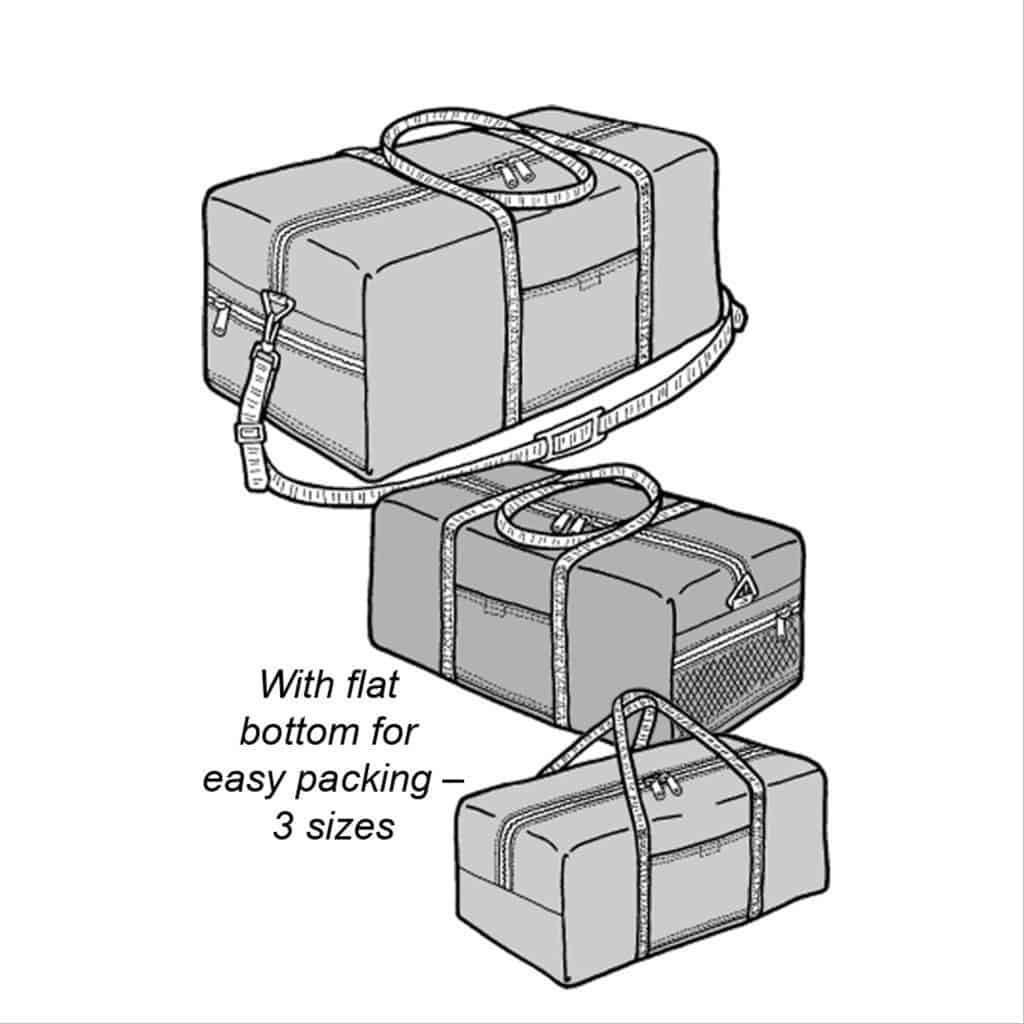
Materials For Gym Bags
Choosing the right material for a gym bag affects durability, style, and functionality. Gym bags face daily wear from sweat, water, and heavy gear. The material must handle these challenges without losing shape or strength. Some fabrics offer water resistance, while others focus on a lightweight feel or classic style. Understanding common materials helps pick a bag that fits your workout routine and personal taste.
Leather
Leather gym bags bring a stylish and classic look. They are strong and last a long time with proper care. Leather is heavier than most fabrics, so it adds weight to the bag. It resists tears well but can be damaged by water. These bags suit those who want a mix of fashion and function.
Nylon
Nylon is popular for gym bags due to its strength and light weight. It handles daily use and resists moisture better than many fabrics. Nylon bags dry quickly if they get wet. They come in many colors and designs. This material is great for active users needing a tough, easy-care bag.
Polyester
Polyester is durable and often water-resistant. It holds color well, so bags stay bright over time. Polyester bags are easy to clean and resist stretching. This fabric works well for gym bags exposed to sweat and rain. It balances toughness with affordability.
Canvas
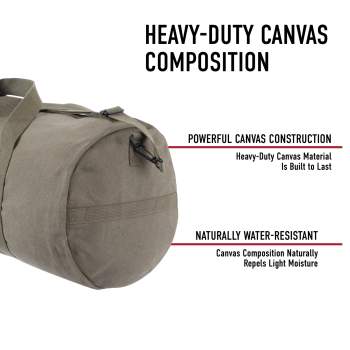
Canvas offers a natural look and feels sturdy. It is heavier and less water-resistant than synthetic fabrics. Canvas bags may need extra treatment to repel moisture. They are breathable, which helps reduce odor buildup. These bags appeal to those who want a casual style with solid durability.
Ripstop Fabrics
Ripstop fabrics use a special weave that stops tears from spreading. They are lightweight and very strong. Many ripstop gym bags resist water and rough use. This material suits people who push their bags hard in tough conditions. Ripstop adds extra protection without much extra weight.

Durability Factors
Durability is a key factor in choosing the right gym bag. A durable bag protects your belongings and lasts through daily use. Several material features affect a bag’s strength and lifespan. Understanding these factors helps you pick a bag that meets your needs.
Water Resistance
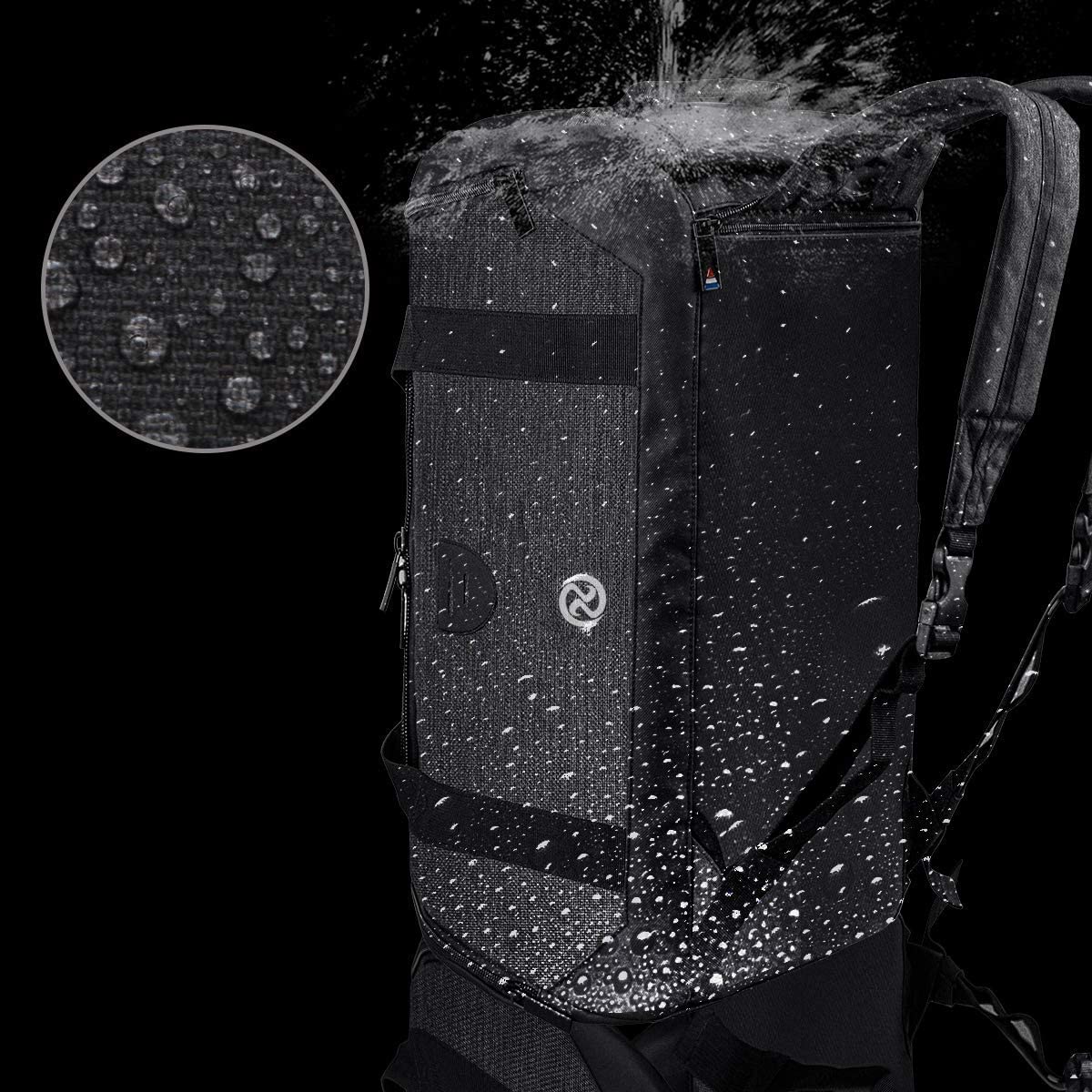
Water resistance shields your gear from sweat and rain. Bags made from nylon or polyester often have water-resistant coatings. This feature prevents moisture from soaking inside. It keeps clothes and electronics dry during wet conditions. A water-resistant gym bag is practical for all weather types.
Reinforced Stitching
Stitching holds the bag pieces together. Reinforced stitching uses extra threads or stronger patterns. This prevents seams from splitting under heavy loads. Double or triple stitching adds strength to stress points. Look for bags with reinforced stitching for long-lasting use.
Sturdy Zippers
Zippers open and close the compartments. Sturdy zippers have strong teeth and smooth sliders. They resist jamming and breaking after many uses. Metal zippers or heavy-duty plastic zippers work best. A reliable zipper secures your items and improves bag durability.
Wear And Tear Resistance
Wear and tear resistance means the bag withstands rough handling. Durable materials resist scratches, abrasions, and fading. Canvas, ripstop nylon, and thick polyester are known for this. Such fabrics keep the bag looking new longer. This quality is important for daily gym use.
Style And Design
Choosing a gym bag is not only about function but also style and design. The right bag reflects your personality and fits your daily routine. Stylish gym bags can make workouts more enjoyable and boost your confidence. Simple choices like colors, shapes, and sizes change how a bag looks and feels.
Good design balances appearance with practicality. A well-designed gym bag holds all your gear neatly. It also looks good outside the gym. Let’s explore the key style and design elements of gym bag materials.
Color Options
Gym bags come in many colors to match your taste. Bright colors like red, blue, or green stand out. Neutral shades like black, grey, or navy offer a classic look. Some bags feature patterns or color blocks for a unique style. Choosing the right color helps your bag stay fresh and easy to spot. Dark colors hide dirt better, making them low maintenance.
Bag Shapes And Sizes
Gym bags vary from small to large sizes. Compact bags suit light workouts or quick visits. Larger bags hold shoes, towels, and extra clothes easily. Shapes include duffle, backpack, and tote styles. Duffle bags offer wide openings for easy packing. Backpacks free your hands and spread weight evenly. Tote bags combine style with a casual feel. Pick a shape that fits your body and workout needs.
Fashion Vs Function
Some gym bags focus more on style than features. These bags look great but may lack compartments. Functional bags have pockets, waterproof materials, and sturdy zippers. They keep your gear organized and protected. The best gym bags balance fashion and function well. A stylish bag can still be practical. Choose a bag that fits your lifestyle and workout habits.
Synthetic Vs Natural Fabrics
Choosing the right material for a gym bag affects comfort, durability, and performance. Gym bags mainly come in two fabric types: synthetic and natural. Each has unique benefits and drawbacks for gym users. Understanding the differences helps in picking the best option for your needs.
Weight And Flexibility
Synthetic fabrics like nylon and polyester are very lightweight. They bend and fold easily, making packing simple. Natural fabrics such as cotton or canvas are usually heavier. These materials offer less flexibility and can feel bulky when full.
Odor Resistance
Synthetics resist odors better because they dry quickly and do not absorb sweat. Natural fabrics absorb moisture and hold smells longer. This can cause your gym bag to smell unpleasant after workouts.
Breathability
Natural fabrics are more breathable than synthetic ones. They allow air to flow, reducing moisture inside the bag. Synthetic materials trap heat and sweat, which can make your items damp and uncomfortable.
Environmental Impact
Natural fabrics come from renewable sources and biodegrade faster. They are better for the environment in the long term. Synthetic fabrics use chemicals and oil, taking longer to break down. Recycling options for synthetics are limited but improving.
Features To Look For
Choosing the right gym bag means paying attention to key features. These features help keep your gym gear organized, fresh, and easy to carry. Understanding what to look for makes your workouts smoother and more enjoyable.
Compartments And Pockets
Multiple compartments help separate your shoes, clothes, and accessories. Small pockets keep items like keys, phone, and wallet safe. Look for zippered and mesh pockets for easy access and ventilation.
Ventilation
Good airflow prevents bad odors and dampness inside the bag. Mesh panels or breathable fabric allow air to circulate. A ventilated shoe compartment keeps your shoes dry and fresh.
Comfort And Straps
Padded straps reduce shoulder strain during carrying. Adjustable straps let you fit the bag to your body. A grab handle adds convenience for quick pickups or hanging.
Additional Accessories
Some bags include water bottle holders or external clips for towels. Reflective strips improve visibility during low light. Durable zippers and reinforced stitching extend the bag’s life.
Caring For Gym Bags
Caring for your gym bag helps keep it clean and lasting longer. Sweat, dirt, and spills can damage the material. Regular care keeps your bag looking fresh and working well. Simple steps protect your investment and make your gym visits easier.
Cleaning Tips
Empty your gym bag after every use. Shake out dirt and crumbs before cleaning. Use a damp cloth with mild soap to wipe the outside. For fabric bags, hand wash or use a gentle machine cycle. Avoid harsh chemicals that can damage the material. Let your bag air dry completely to prevent mold and odors.
Storage Advice
Store your gym bag in a dry, cool place. Avoid leaving it in damp areas like the bathroom. Keep the bag open to air it out between uses. Use silica gel packs to absorb moisture inside the bag. Do not store heavy items on top to keep the shape intact.
Extending Bag Lifespan
Check zippers and straps regularly for damage. Repair small tears or loose stitches quickly. Avoid overloading the bag to prevent stress on seams. Rotate between bags if you use one daily. Protect the bag from direct sunlight to avoid color fading. Proper care saves money and keeps your bag reliable.

Frequently Asked Questions
What Is The Best Material For Gym Bags?
Nylon and polyester are the best gym bag materials. They offer durability, water resistance, and protect your gear. Choose bags with reinforced stitching and sturdy zippers for added strength.
What Materials Are Sports Bags Made Of?
Sports bags commonly use durable materials like nylon, polyester, leather, and canvas. Nylon and polyester offer water resistance and light weight. Leather provides durability and style but is heavier. Canvas is sturdy but less water-resistant. These fabrics ensure long-lasting, practical, and stylish sports bags.
What Are Gym Duffle Bags Made Of?
Gym duffle bags are made from durable materials like nylon, polyester, canvas, and leather. These fabrics resist wear and moisture. Nylon and polyester offer lightweight, water-resistant features, while leather adds style and longevity. Reinforced stitching and sturdy zippers enhance their durability for gym use.
What Is Needed In A Gym Bag?
A gym bag needs workout clothes, supportive shoes, a water bottle, towel, hygiene items, snacks, headphones, and useful accessories for training.
Conclusion
Choosing the right gym bag material matters for daily use and durability. Nylon and polyester stand out for strength and water resistance. Leather offers style but adds weight. Canvas feels sturdy but may not handle moisture well. Pick a material that fits your workout needs and lifestyle.
A well-made bag keeps gear safe and lasts longer. Think about comfort, space, and how often you use it. Your gym bag should support your fitness routine every step. Simple choices lead to better workouts and less hassle.