

Have you ever wondered if your child’s school bag might be too heavy? Carrying the wrong weight can affect your child’s posture, cause discomfort, and even lead to long-term health issues.
But how do you know what the right weight limit is for young children? You’ll discover expert recommendations on the ideal school bag weight for your little one. Knowing this can help you protect your child’s health while making their school days more comfortable.
Keep reading to learn simple tips that will make a big difference for your child’s wellbeing.
Recommended Weight Limits
Setting a proper weight limit for school bags helps protect young children’s backs. Carrying heavy bags can cause pain and posture problems. Parents and schools should know the safe weight limits to avoid these issues.
Guidelines By Age Group
Experts suggest children carry no more than 10% to 15% of their body weight. For example, a 50-pound child should carry a bag weighing 5 to 7.5 pounds. Younger kids, like those in kindergarten, should stay closer to 5%. Older children may handle slightly heavier bags, but not too much.
Pediatrician Advice
Pediatricians recommend monitoring how a child feels after carrying a bag. If they complain of back or shoulder pain, the bag is likely too heavy. Doctors suggest using bags with padded straps and wheels to reduce strain. They emphasize frequent checks to ensure children do not overload their bags.
Official Health Recommendations
Health organizations worldwide advise that school bags should not exceed 10% of a child’s weight. The American Academy of Pediatrics and similar bodies stress light bags to prevent long-term damage. Schools are encouraged to provide lockers or digital textbooks to reduce bag weight.
Risks Of Heavy Backpacks
Heavy backpacks pose serious risks for young children. Carrying too much weight strains their developing bodies. It affects posture and causes discomfort during and after school. Understanding these risks helps parents and teachers keep kids safe.
Backpack weight above recommended limits can lead to health problems. Children may not speak up about pain, making prevention important. Below are key risks linked to heavy backpacks.
Impact On Spine Health
Excess weight puts pressure on the spine. It can cause the spine to bend unnaturally. Over time, this leads to poor posture and misalignment. Children’s bones and muscles are still growing. Heavy loads may slow proper development of the spine. This may create back pain and stiffness.
Common Injuries
Heavy backpacks often cause muscle strain and soreness. Shoulder, neck, and back pain are frequent complaints. Some children develop pinched nerves from the pressure. Carrying uneven weight leads to muscle imbalances. This can cause falls or trips due to poor balance. Skin irritation and bruising may occur from tight straps.
Long-term Effects
Carrying heavy backpacks regularly may cause lasting damage. Chronic back pain can develop in adolescence or adulthood. Spinal deformities such as scoliosis may worsen. Poor posture habits can become permanent. This affects overall body alignment and comfort. Early prevention reduces these risks and promotes healthier growth.
Measuring Backpack Weight
Measuring backpack weight is essential to protect young children’s health. Carrying too much weight can cause back pain and posture problems. Parents and teachers should regularly check the weight of school bags. This helps ensure the load stays within a safe limit. Knowing the exact weight also guides adjustments in packed items.
How To Weigh A Backpack
Use a bathroom scale to weigh the backpack. First, weigh yourself without the bag and note the number. Then, weigh yourself while holding the backpack. Subtract your weight from the total. The result shows the backpack’s weight.
Another method is to place the backpack directly on the scale. This is faster but less accurate if the scale is small. Make sure the backpack is fully zipped and packed as usual. This gives the true weight your child carries each day.
Average Weight With Books
School bags with books usually weigh between 10 to 15 pounds. Younger children should carry even less. Experts recommend backpacks weigh no more than 10 to 15% of a child’s body weight. For example, a 60-pound child should carry no more than 6 to 9 pounds.
Books can be heavy, but only pack what is necessary. Use organizers to spread out the weight evenly. This helps avoid putting too much pressure on one side of the back.
Signs Of Excess Weight
Children may complain of back, shoulder, or neck pain. They might also walk with a slouch or lean forward. Difficulty putting the backpack on or taking it off is another sign. Look for red marks on the shoulders where straps press too hard.
Fatigue and unwillingness to carry the backpack can mean it is too heavy. Watch for changes in posture or balance. These signs suggest the backpack weight needs to be reduced immediately.
Choosing The Right Backpack
Choosing the right backpack plays a big role in protecting young children’s backs. A well-selected backpack keeps the weight balanced and reduces strain. It also helps kids carry only what they need without extra bulk. Parents should focus on size, support features, and material quality to ensure safety and comfort.
Size And Capacity Tips
Pick a backpack size that fits your child’s body. It should not be too big or too small. The capacity must be enough for books and lunch but not for heavy items. A bag that holds about 10 to 20 percent of the child’s body weight is best. Avoid oversized backpacks that encourage overpacking.
Features For Support
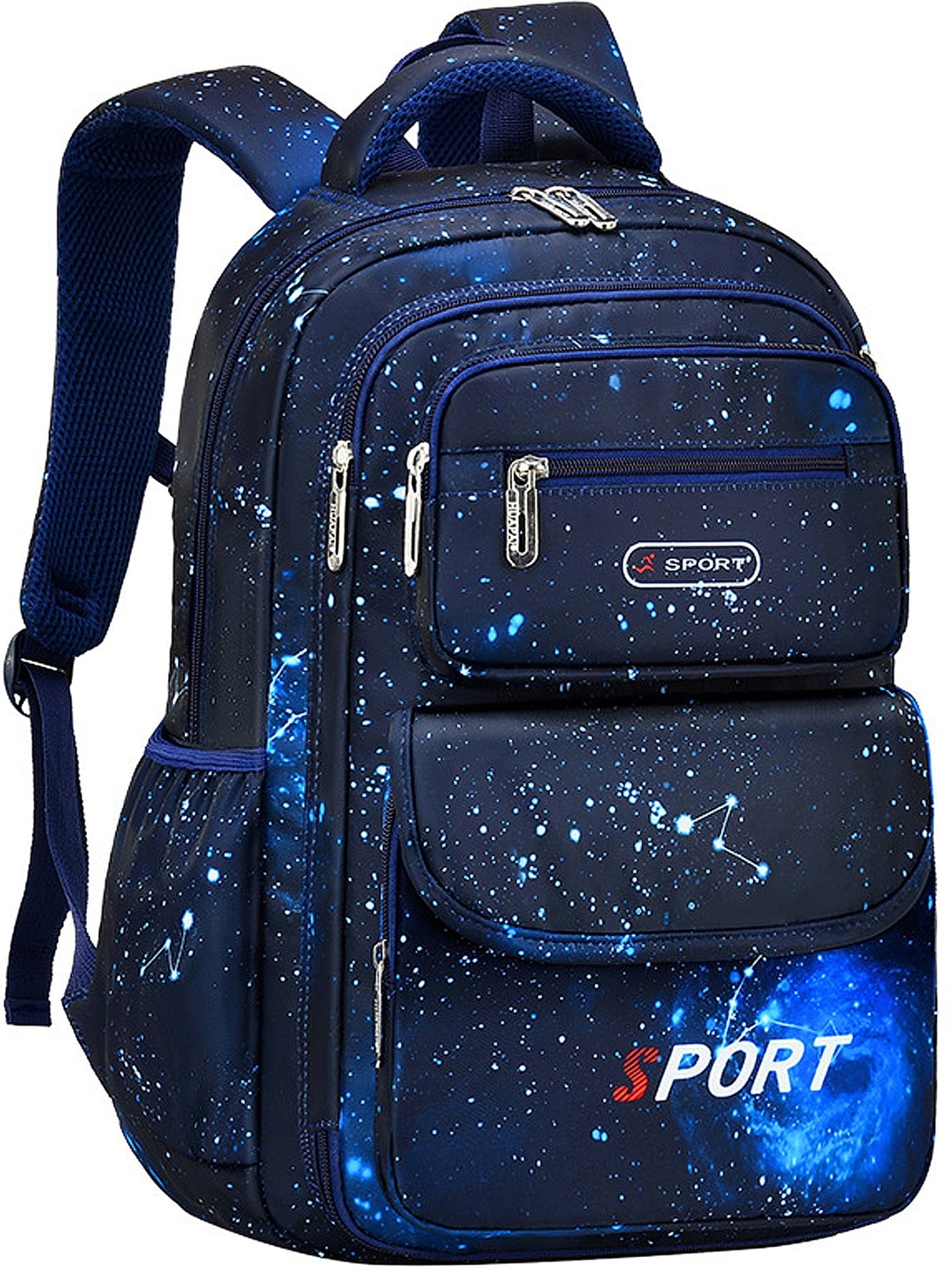
Look for padded shoulder straps to reduce pressure. Wide straps help spread the weight evenly. A chest or waist strap adds extra stability. Back padding supports the spine and improves comfort. Adjustable straps allow the backpack to fit snugly without hanging low.
Materials And Durability
Choose backpacks made from strong, lightweight materials. Water-resistant fabric protects belongings from rain. Durable zippers and reinforced seams prevent damage. Easy-to-clean material helps maintain hygiene. A good backpack should last at least one school year without wear.

Packing Strategies To Reduce Weight
Reducing the weight of a school bag helps protect young children’s backs and posture. Smart packing strategies make carrying easier and safer. Parents can help children by choosing what goes into the bag carefully.
Essential Items Only
Pack only what the child needs for the day. Avoid extra books, toys, or heavy items. Check the school schedule to know which materials are required. This keeps the bag light and manageable.
Organizing Efficiently
Use compartments and pockets to spread weight evenly. Place heavier items close to the child’s back for better support. Keep frequently used items easy to reach. A well-organized bag reduces strain and helps children find things quickly.
Using Digital Resources
Replace some textbooks and notebooks with digital versions. Tablets or e-readers can store many books without extra weight. Use apps for assignments and notes. This strategy cuts down physical materials and lightens the load significantly.

Alternatives To Traditional Backpacks
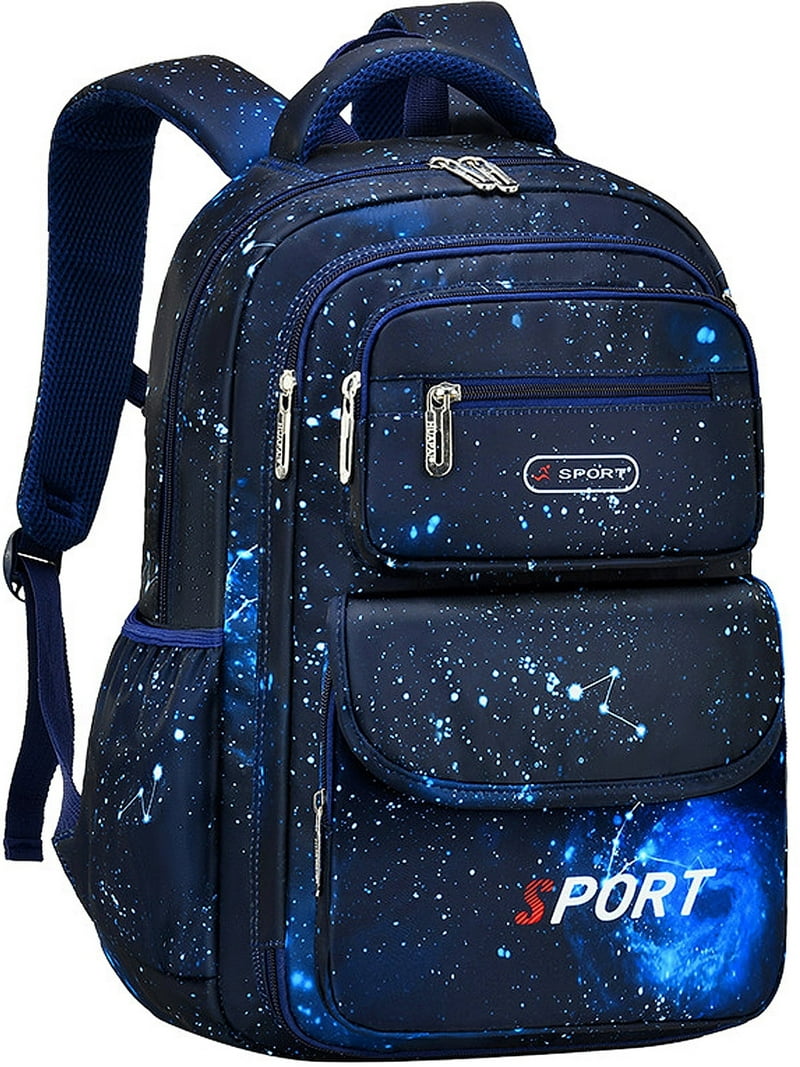
Traditional backpacks can sometimes be too heavy or uncomfortable for young children. Carrying heavy loads may cause back pain or poor posture. Exploring alternatives can help reduce strain and keep kids comfortable. Several options offer practical ways to manage school supplies without overloading a child’s back.
Rolling Backpacks
Rolling backpacks have wheels and a handle for pulling. They take weight off the child’s back completely. Kids can easily move their bags without carrying heavy loads. These backpacks work well on smooth surfaces like school hallways. They also offer the same storage space as regular backpacks. Rolling bags reduce the risk of back and shoulder pain for young children. Some models even convert to traditional backpacks for flexibility.
Locker Use And Storage Options
Many schools provide lockers for students to store books and supplies. Using lockers allows children to carry fewer items during the day. Kids can switch books between classes, lightening their load. Parents and teachers can encourage students to organize supplies effectively. Locker use helps keep school bags lighter and more manageable. Portable storage boxes or bins at home can also help keep school items organized and ready to go.
Parental And School Roles
Parents and schools share key roles in managing the weight of young children’s school bags. Both must work together to protect children’s health and comfort. Overloaded backpacks can cause pain and posture problems.
Parents watch and adjust the backpack’s weight daily. Schools create policies and educate students about safe backpack use. This cooperation helps keep children safe and ready to learn.
Monitoring Backpack Weight
Parents should check backpack weight regularly. The bag should not exceed 10-15% of the child’s body weight. Heavy backpacks strain muscles and joints. Use a scale to weigh the bag with all contents. Remove unnecessary items to lighten the load. Encourage children to carry only what they need for the day.
Educating Children
Schools must teach children about safe backpack habits. Show how to pack items evenly and use both straps. Explain why heavy backpacks can hurt their backs. Teach children to ask for help if their bag feels too heavy. Reinforce good habits through classroom talks and posters. Children learn better when adults guide and support them.
School Policies On Backpack Safety
Many schools set rules for backpack weight and size. They may limit how many books children carry daily. Some schools provide lockers or digital textbooks. Teachers can plan lighter homework loads to reduce weight. Schools often check backpacks during health or safety weeks. These policies protect children’s health and promote good habits.


Preventive Exercises And Posture Tips
Preventive exercises and good posture tips help young children avoid back pain from heavy school bags. Simple daily routines strengthen muscles and teach the right way to carry backpacks. This support keeps their spine healthy and reduces strain. Parents and teachers can guide kids to follow these easy steps every day.
Strengthening Back Muscles
Strong back muscles protect the spine from injury. Kids can do gentle exercises like bridges, cat-cow stretches, and wall push-ups. These moves improve flexibility and build muscle support. Regular practice helps children carry school bags without pain or discomfort.
Proper Carrying Techniques
Carrying a backpack correctly lowers pressure on the back. Use both shoulder straps to balance the weight evenly. Adjust straps so the bag sits close to the body, near the middle of the back. Avoid slinging the bag on one shoulder or carrying it too low. This prevents muscle strain and keeps posture aligned.
Daily Posture Habits
Good posture habits are important throughout the day. Teach kids to stand tall with shoulders back and head level. Encourage sitting upright at desks and avoiding slouching. Remind them to take breaks and stretch after long periods of sitting. These habits reduce stress on the spine and improve comfort.

Frequently Asked Questions
How Much Weight Can A 5 Year Old Carry?
A 5-year-old should carry no more than 10-15% of their body weight to avoid strain. For example, if they weigh 40 pounds, their load should not exceed 4-6 pounds. Always ensure the backpack fits well and distributes weight evenly for safety.
How Heavy Is Too Heavy For A School Bag?
A school bag should weigh no more than 10-15% of a child’s body weight to prevent strain and injury.
How Heavy Should A Backpack Be For Kids?
A child’s backpack should weigh no more than 10-15% of their body weight. This prevents back strain and promotes comfort.
How Much Weight Can A School Bag Hold?
A school bag should hold no more than 10-15% of a child’s body weight to prevent back strain and injury.
Conclusion
Keeping a school bag light helps protect children’s growing bodies. Experts suggest bags weigh no more than 10-15% of a child’s body weight. Heavy bags can cause back pain and poor posture. Parents and teachers should check backpacks regularly. Choosing lightweight materials and packing only essentials also helps.
A balanced bag promotes comfort and health for young students. Small steps make a big difference in children’s daily school life.