

Have you ever wondered what exactly makes a backpack so special and why it’s become a must-have for so many people? Whether you’re a student, a traveler, or someone who just needs a reliable way to carry your daily essentials, understanding what a backpack is can change the way you think about convenience and freedom.
This simple bag with shoulder straps isn’t just about holding your stuff—it’s about giving you the power to move, explore, and carry what matters most without hassle. Keep reading, and you’ll discover everything you need to know about backpacks—from their different types to surprising meanings—and why choosing the right one could make all the difference in your day.

Backpack Basics
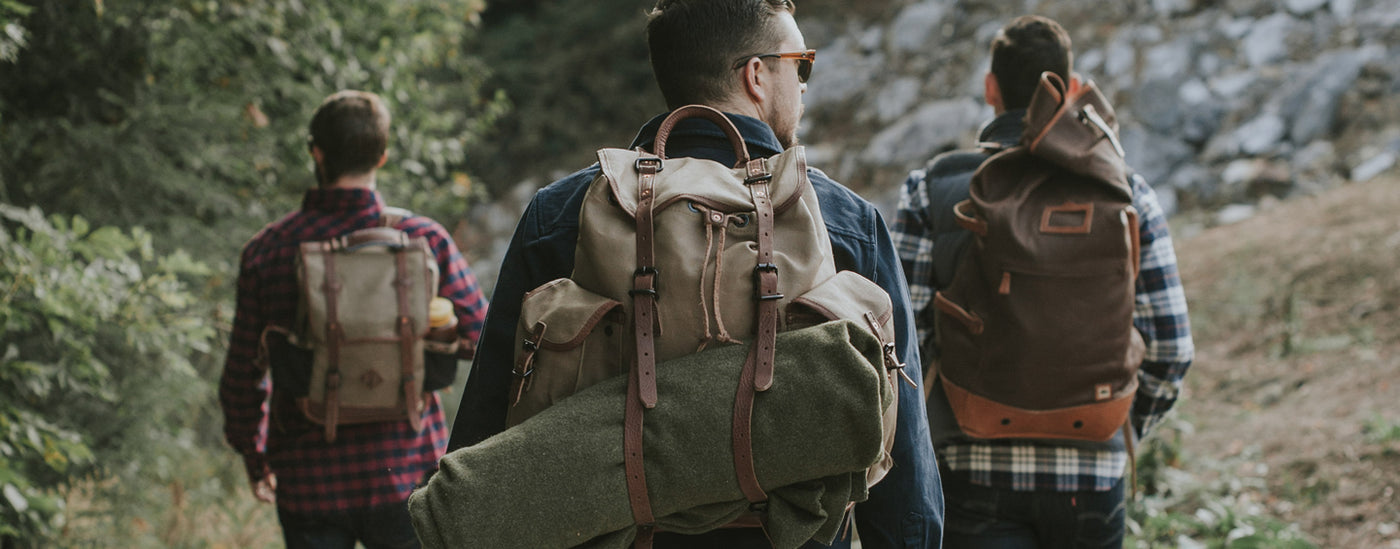
Understanding the basics of a backpack helps you know its role in daily life. This simple item holds many uses for different people. Students carry books, hikers pack gear, and travelers store essentials. The backpack’s design makes it easy to carry things hands-free, balancing weight on your back. Its versatility makes it a popular choice worldwide.
Definition And Purpose
A backpack is a bag worn on the back with two shoulder straps. It holds items securely and allows easy movement. People use backpacks for school, work, travel, and outdoor activities. Some backpacks have extra features like padded straps and multiple compartments. These bags vary in size from small to very large. Their main purpose is to carry belongings comfortably and safely.
Noun Vs Verb Usage
As a noun, a backpack means the physical bag itself. It can be simple or designed for specific uses. As a verb, backpack means to travel or hike while carrying a backpack. This action often involves long trips or adventure travel. For example, “She backpacks across mountains” means she hikes with a backpack. The verb shows an active use of the bag on a journey.
Synonyms And Variations
Several words mean the same or similar to backpack. Knapsack and rucksack are common synonyms, often used in different countries. A pack or haversack also describes a similar carrying bag. Variations depend on size, style, and use, such as daypacks or hiking packs. Some backpacks include special gear like hydration systems or laptop sleeves. Knowing these terms helps you find the right backpack for your needs.

Backpack History
The backpack has a long and interesting history. It started as a simple tool for carrying items on the back. Over centuries, it has evolved in design and use. Different cultures shaped the backpack for their needs. Today, backpacks serve many purposes worldwide.
Early Uses
Early humans used animal skins or woven materials to carry goods. These primitive bags helped hunters and gatherers transport food and tools. Ancient civilizations like the Egyptians and Native Americans made similar packs. They tied items with straps to carry on their backs. This freed their hands for other tasks.
Evolution Over Time
Backpacks grew more complex with new materials and designs. Leather, canvas, and eventually synthetic fabrics improved durability. In the 20th century, military needs drove innovation in backpack style. Padded straps and multiple compartments became common. Hiking and school backpacks followed these advances. Today, backpacks are lightweight and ergonomic.
Cultural Impact
Backpacks have influenced many parts of culture and lifestyle. Students worldwide rely on backpacks daily. Outdoor enthusiasts use them for hiking and camping adventures. Backpacks also symbolize freedom and exploration. In fashion, backpacks vary from practical to stylish accessories. Their role in travel and education shapes modern life.
Types Of Backpacks
Backpacks come in many shapes and sizes. Each type serves a specific purpose and fits different needs. Knowing the types helps you pick the right one for your activities.
Some backpacks are simple for daily use. Others are built for tough outdoor adventures. Specialty backpacks offer unique features for specific tasks.
Daypacks And School Bags
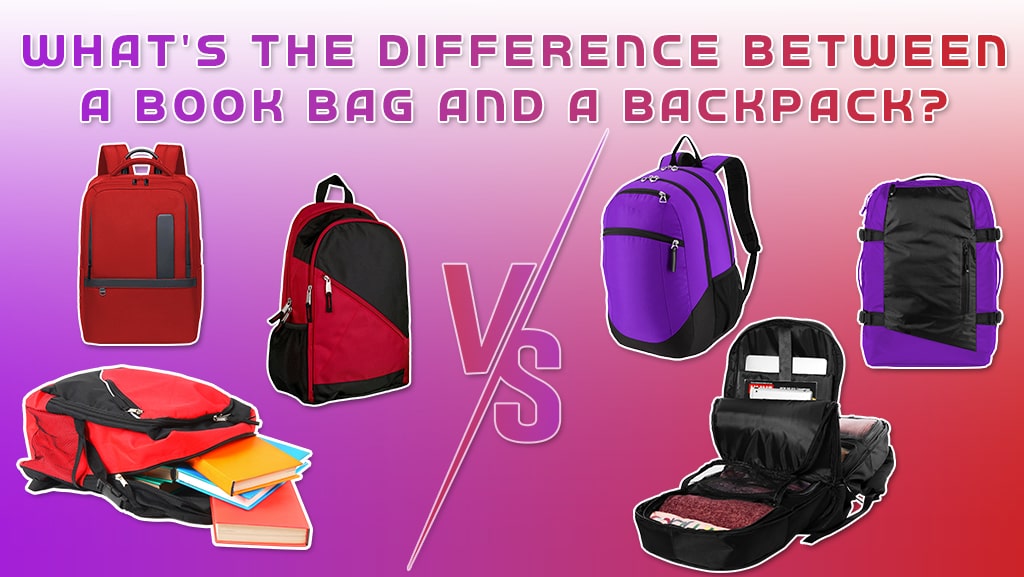
Daypacks are small and light. They hold essentials like snacks, water, and a jacket. School bags are a type of daypack made for books and supplies. They often have extra compartments and padded straps for comfort. These backpacks suit daily errands, school, or short trips.
Hiking And Camping Packs
Hiking backpacks are larger and more durable. They carry heavy loads like food, clothes, and camping gear. Many have padded hip belts and adjustable straps for support. Camping packs often include extra space for tents and sleeping bags. These backpacks help hikers carry everything for long outdoor trips.
Specialty Backpacks
Specialty backpacks focus on unique needs. Camera backpacks protect photo gear with padded compartments. Laptop backpacks have extra pockets for tech accessories. Hydration packs include water reservoirs and tubes for easy drinking. Some backpacks are fireproof or designed for travel security. These packs serve specific users and tasks well.
Key Features To Consider
Choosing the right backpack depends on several key features. These features affect comfort, usability, and how much you can carry. Understanding these points helps pick a backpack that fits your needs perfectly.
Size And Capacity
Backpacks come in many sizes. Small backpacks hold a few items for daily use. Larger backpacks fit more gear for trips or hiking. Capacity is measured in liters. Choose a size based on what you plan to carry. Avoid backpacks too big or too small for your needs.
Material And Durability
The material affects how long a backpack lasts. Common materials include nylon, polyester, and canvas. Nylon and polyester resist water and tears well. Canvas is strong but heavier. Check for reinforced stitching and quality zippers. Durable materials protect your belongings and save money over time.
Straps And Support
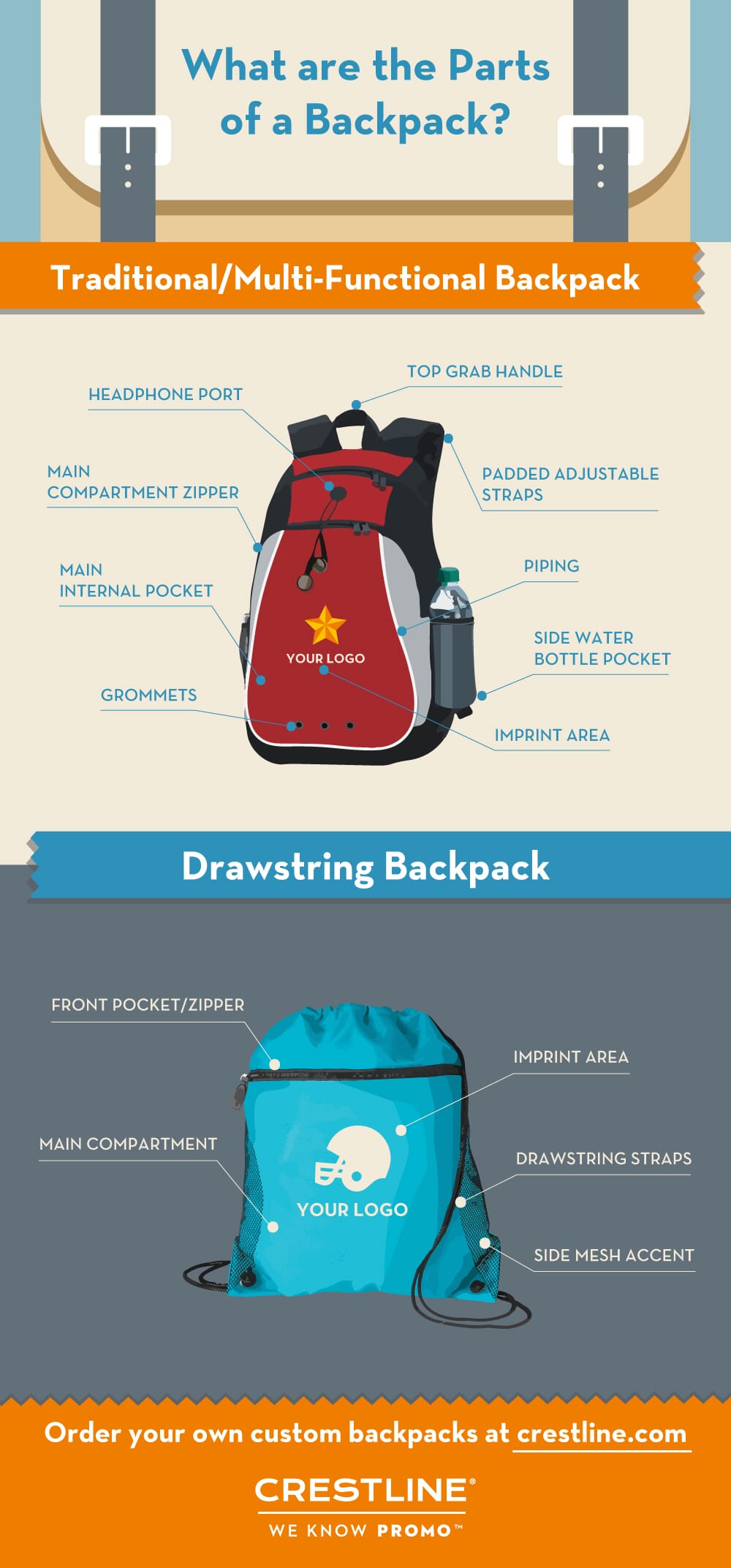
Straps should be padded and adjustable. They help distribute weight evenly across your shoulders. Look for a padded back panel for extra comfort. Some backpacks include waist or chest straps for better support. Good support reduces strain during long use.
Compartments And Organization
Compartments keep items organized and easy to find. Many backpacks have a main compartment plus smaller pockets. Separate laptop sleeves and water bottle holders add convenience. Choose a backpack with enough compartments for your gear. Organization helps keep your bag tidy and accessible.

Choosing By Activity
Choosing the right backpack depends on the activity it supports. Different uses require specific designs to ensure comfort and functionality. Understanding these needs helps pick the best backpack for your daily tasks or adventures.
Each activity demands unique features like size, compartments, and durability. Selecting a backpack that matches your purpose makes carrying items easier and safer. This guide breaks down backpacks by common activities.
For Students
Student backpacks focus on organization and comfort. Multiple compartments hold books, laptops, and supplies. Padded straps reduce shoulder strain during long school days. Lightweight materials help keep the bag easy to carry.
Durability matters for daily use. Water-resistant fabrics protect belongings from rain. Some backpacks include a laptop sleeve for extra device safety. Bright colors and simple designs appeal to many students.
For Travelers
Travel backpacks prioritize space and security. Large main compartments fit clothes and travel essentials. Lockable zippers add protection against theft. Many have easy-access pockets for passports and tickets.
Comfort features include padded back panels and adjustable straps. Some backpacks convert to suit airport security rules. Lightweight and durable fabrics help reduce travel fatigue. Rolling backpacks or those with wheels offer extra convenience.
For Outdoor Adventures
Outdoor backpacks need to be rugged and weather-resistant. Materials like nylon or polyester resist tears and water. Multiple compartments organize gear such as water bottles, maps, and snacks. Hydration bladder compatibility is common.
Adjustable straps and padded back support improve comfort on trails. Ventilation systems reduce sweat buildup. Some backpacks include attachment points for trekking poles or sleeping bags. Size varies based on trip length.
For Work And Commuting
Work backpacks combine style and utility. Laptop compartments protect electronics during commutes. Slim profiles fit under desks or seats easily. Organized pockets hold chargers, documents, and personal items.
Materials like leather or canvas offer a professional look. Comfort remains important for daily use. Some backpacks feature anti-theft designs and water-resistant fabric. Reflective elements increase safety for night travel.
Backpack Care And Maintenance
Taking care of your backpack helps keep it strong and clean. Proper maintenance protects your investment. It also makes your backpack last longer. This section shares simple tips for cleaning, storing, and repairing your backpack.
Cleaning Tips
Empty all pockets before cleaning. Shake out dirt and debris. Use a soft brush to remove stubborn dust. Wash with mild soap and warm water. Avoid harsh chemicals or bleach. Rinse thoroughly to remove soap. Air dry your backpack away from direct sun. Do not use a dryer or iron. Spot clean stains quickly to prevent damage.
Storage Advice
Store your backpack in a cool, dry place. Avoid damp areas to stop mold and mildew. Keep it away from direct sunlight. Sunlight can fade colors and weaken fabric. Stuff your backpack with paper or cloth to keep shape. Do not store it while wet. Make sure it is completely dry before storing.
Repair And Longevity
Check zippers and seams regularly. Fix small tears or holes right away. Use a needle and thread or fabric glue. Replace broken zippers to keep your backpack functional. Avoid overloading to prevent strain on fabric and straps. Regular care extends the life of your backpack. A well-maintained backpack serves you longer and better.
Backpack In Culture
The backpack holds more than just items. It carries meaning and stories across cultures. This simple bag has become a powerful symbol worldwide. People see it as a mark of freedom, identity, and style.
Many cultures use the backpack to express ideas beyond its function. It shows lifestyle, beliefs, and community ties. Its role in culture continues to grow and change.
Travel And Adventure Symbol
The backpack stands for travel and adventure. It is a sign of a journey yet to unfold. Travelers use backpacks to carry essentials for discovery and new experiences.
Backpacking means exploring with freedom and few limits. It suggests courage and curiosity. The backpack represents the spirit of wanderlust and the joy of the unknown.
Backpack Rap And Subcultures
In music and fashion, backpacks hold special meaning. Hip-hop and rap scenes use backpacks as style statements. They link to authenticity and underground culture.
Some subcultures adopt backpacks to show belonging. It can signal values like independence and creativity. The backpack is more than gear—it is identity and pride.
Slang And Informal Uses
Backpack appears in slang with different meanings. Sometimes it refers to a person’s partner or close friend. Other times, it means carrying a heavy burden or responsibility.
Such informal uses show how backpacks fit into daily life. They shape language and express feelings simply and clearly. The word backpack goes beyond the bag itself.

Frequently Asked Questions
What Is The Definition Of A Backpack?
A backpack is a bag with two shoulder straps designed to carry items on your back. It suits students, hikers, and travelers.
What Does Backpack Mean In Slang?
In slang, “backpack” often means a significant other or partner. It can also refer to a traveler or someone carrying a load.
What’s The Difference Between A Ruck And A Backpack?
A ruck (rucksack) typically has a frame and more compartments for heavy loads. A backpack is simpler, often frameless and lighter for everyday use.
What Is The Other Meaning Of Backpack?
The other meaning of “backpack” is to travel or hike carrying essentials in a bag on your back. It also refers to gear worn on the back, like a jetpack, or informally, a partner in some subcultures.
Conclusion
A backpack is more than just a bag. It carries your essentials and supports your daily activities. People use backpacks for school, travel, and outdoor adventures. The design makes it easy to carry heavy loads on your back. Backpacks come in many styles and sizes to fit different needs.
Understanding what a backpack is helps you choose the right one. It blends function with convenience, making life simpler. A good backpack suits your lifestyle and keeps you ready for anything.