

Choosing the right school backpack might seem simple, but picking the perfect size can make a huge difference for your comfort and daily ease. Imagine carrying everything you need—books, lunch, gadgets—without feeling weighed down or awkward.
That’s exactly what this School Backpack Size Guide is here to help you with. Whether you’re shopping for yourself or for a student, understanding the ideal dimensions and features can save you from back pain and keep you organized all day long.
Ready to find the backpack that fits you just right? Keep reading to discover simple tips and clear size recommendations tailored to your needs.


Backpack Dimensions By Age
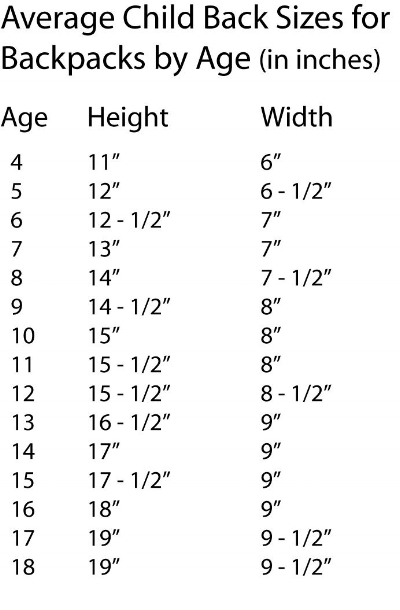
Choosing the right backpack size helps children carry their school items comfortably. Backpack dimensions vary by age to fit their body and school needs. Proper sizing prevents back pain and improves posture. Below is a simple guide to backpack sizes by age group.
Kindergarten To Elementary Sizes
Backpacks for young children measure about 12 to 15 inches in height. Width usually ranges from 8 to 11 inches. Depth stays between 4 and 6 inches.
This size fits small frames and holds essentials like lunch, a water bottle, and a few books. Lightweight materials with padded straps are best for comfort. Avoid backpacks larger than 17 liters in volume.
Middle School Backpack Dimensions
Middle school backpacks typically measure 16 to 18 inches tall. Width ranges from 12 to 14 inches. Depth is usually 6 to 8 inches.
These sizes suit growing bodies and can hold textbooks, notebooks, and a laptop. Volume ranges between 20 to 30 liters. Look for multiple compartments to organize school supplies.
High School Backpack Sizes
High school backpacks are generally 18 to 20 inches in height. Width varies from 14 to 16 inches. Depth ranges from 7 to 9 inches.
This size handles heavier loads like large textbooks and electronic devices. Volume usually falls between 25 and 35 liters. Features such as padded laptop sleeves and ergonomic straps add comfort and function.
Capacity Needs For Students
Choosing the right backpack capacity is crucial for students. A backpack that fits their daily needs helps keep their belongings organized. It also prevents strain from carrying too much weight. Understanding the space needed for textbooks, lunch, and tech items makes selecting easier. This section breaks down each area of capacity students require.
Textbooks And Notebooks Volume
Students carry multiple textbooks and notebooks every day. The backpack must hold all books without being too bulky. For younger students, around 15 to 20 liters often works well. Older students need larger sizes, sometimes up to 30 liters. A spacious main compartment with dividers helps keep books neat and protected.
Lunch And Personal Items Space
Lunch boxes and personal items also need room inside the backpack. A separate, insulated pocket for lunch keeps food fresh and separate from books. Extra space for water bottles, snacks, and small personal items adds convenience. Side pockets and front compartments make access quick and simple.
Tech And Laptop Compartments
Many students carry laptops or tablets for schoolwork. Backpacks with padded tech compartments protect devices from damage. The compartment size should match the laptop size, usually between 13 and 17 inches. Additional pockets for chargers, headphones, and cables keep tech gear organized and secure.

Fit And Comfort Factors
Choosing the right school backpack means focusing on fit and comfort. These factors keep kids comfortable during long school days. A well-fitted backpack protects the child’s back and shoulders from strain. It also helps keep their posture correct. Below are key points to consider for fit and comfort.
Backpack Height And Width Limits
The backpack should not be taller than the child’s torso. A backpack that is too tall can cause discomfort and imbalance. The width should fit the child’s back without sticking out. A narrow backpack avoids restricting arm movement. Proper height and width ensure the backpack sits close to the body.
Adjustable Straps And Padding
Adjustable straps help customize the fit to the child’s size. They keep the backpack snug without digging into the shoulders. Thick padding on the straps adds extra comfort. It also reduces pressure on sensitive skin. Look for straps that are easy to adjust for quick changes.
Weight Distribution Features
Good backpacks spread weight evenly across the back. Padded hip belts help transfer weight to the hips, easing shoulder strain. Sternum straps keep the shoulder straps in place and prevent slipping. Compartments inside the backpack help organize items to balance the load. Proper weight distribution reduces fatigue and improves comfort.

Functionality And Features
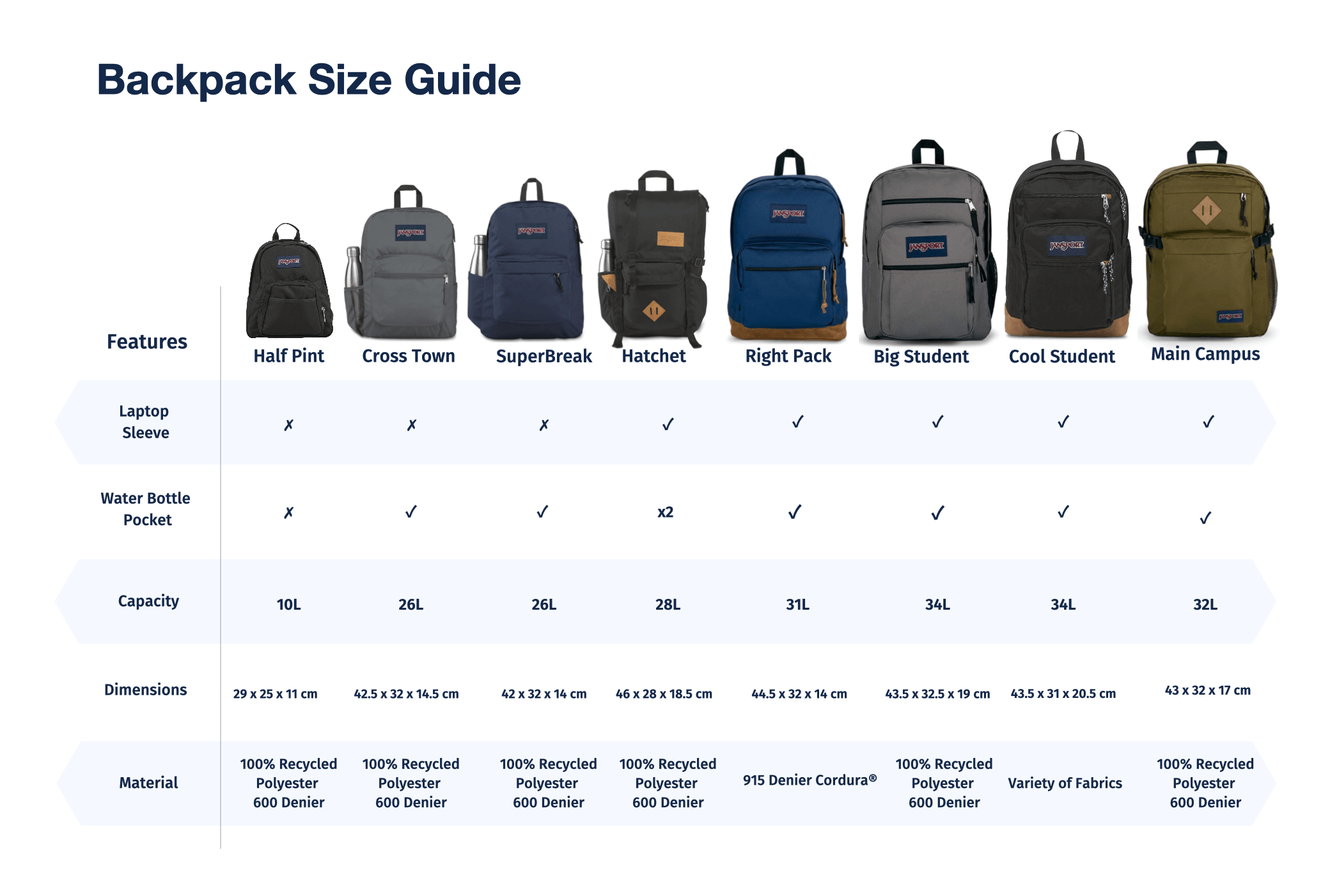
Choosing the right school backpack means focusing on functionality and features. A good backpack keeps school supplies organized and easy to access. It also supports comfort and durability for daily use. Understanding these key features helps pick a backpack that meets a student’s needs.
Multiple Compartments Use
Backpacks with multiple compartments help separate books and supplies. Students can store notebooks, pens, and gadgets in different sections. This reduces clutter and makes it easier to find items quickly. Some backpacks have special pockets for laptops or tablets. Organized compartments protect fragile items and keep everything in place.
Side Pockets For Essentials
Side pockets add extra convenience to a school backpack. These pockets are perfect for carrying water bottles or snacks. Some designs include mesh or elastic pockets for a secure fit. Students can also use side pockets for calculators or small accessories. Easy access to essentials saves time during busy school days.
Durability And Material Quality
Durable materials extend the life of a school backpack. Look for strong fabrics like nylon or polyester. These materials resist tears and water damage. Quality zippers and reinforced stitching prevent wear and breakage. A sturdy backpack protects belongings and handles daily wear and tear. Choosing a well-made backpack ensures long-term use.
Backpack Types For Different Needs
Choosing the right backpack depends on the activities and needs of the student. Different backpacks serve different purposes. Understanding the types helps pick the best fit for daily use, outdoor adventures, or special activities. This guide breaks down the main backpack types and what they offer.
Daily School Backpacks
Daily school backpacks are designed for carrying books, notebooks, and lunch boxes. They often have padded straps for comfort. Multiple compartments keep items organized and easy to find. Side pockets hold water bottles or small accessories. These backpacks come in sizes suitable for different age groups. They balance capacity with comfort to avoid strain on young shoulders.
Hiking And Overnight Backpacks
Hiking and overnight backpacks support longer trips and heavier loads. They have adjustable shoulder straps and hip belts to spread weight evenly. The pack should fit the torso width to avoid discomfort. These backpacks offer more space for clothes, food, and gear. They are built with durable materials to handle rough outdoor use. Comfort and support remain top priorities for growing kids.
Specialized Activity Backpacks
Specialized backpacks target specific needs like sports, music, or art supplies. They often include compartments designed for unique items. Some have reinforced bottoms or extra padding for fragile equipment. These backpacks help keep gear safe and organized during transit. Sizes vary depending on the activity’s requirements. Choosing one ensures students carry their items efficiently and comfortably.
Safety And Ergonomics Tips
Choosing the right backpack size is crucial for a child’s safety and comfort. Proper safety and ergonomic practices help avoid pain and injury. Following simple tips can make carrying school items easier and healthier for growing bodies.
Proper Backpack Wearing Techniques
Always use both shoulder straps to keep weight balanced. Adjust straps so the backpack sits high on the back. The bottom should rest at waist level, not below the hips. Avoid hanging the backpack on one shoulder. This can cause uneven strain and poor posture.
Avoiding Overpacking
Pack only what is necessary each day. Heavy backpacks can hurt the back and shoulders. Spread out items evenly inside to keep balance. Use compartments to organize books and supplies. Remove unused items to reduce weight.
Posture-friendly Backpack Choices
Choose backpacks with padded, wide shoulder straps for comfort. A padded back panel adds support and reduces pressure. Look for bags with waist or chest straps to help distribute weight. Avoid backpacks that are too large or too small. The right size supports a healthy posture and reduces fatigue.
Choosing Backpacks By Grade
Choosing the right backpack size depends on the student’s grade. Different school years require different backpack volumes and features. Proper fit helps avoid discomfort and back pain. The backpack should match the size and needs of the student. Consider the weight and the items carried daily. This guide breaks down recommendations by grade level.
Early School Years Recommendations
For kindergarten to second grade, backpacks should be small and light. Choose packs with a volume of 12 to 16 liters. This size fits lunch boxes, a few books, and small supplies. Look for padded shoulder straps to protect young shoulders. Backpacks should not be wider than the child’s torso. Bright colors and fun designs often appeal to younger kids. A simple design with one main compartment works best.
Middle School Backpack Guidelines
Students in grades three to eight need larger backpacks. Aim for a volume of 20 to 28 liters. This size holds textbooks, binders, and a lunch box comfortably. Multiple compartments help organize school items better. Padded straps and a padded back support comfort during long days. Side pockets for water bottles are important. Adjustable straps ensure the pack fits as the child grows.
High School And Beyond
High school students require larger, more functional backpacks. Volumes between 25 and 35 liters suit most students. These backpacks hold laptops, textbooks, notebooks, and personal items. Look for backpacks with laptop sleeves and multiple compartments. Strong zippers and durable materials are important for daily use. Comfort features like padded straps and back panels reduce strain. A well-fitted backpack supports healthy posture for teens carrying heavy loads.

Frequently Asked Questions
What Is A Standard Size School Backpack?
A standard school backpack typically measures 17-19 inches tall and 12-13 inches wide. It holds 20-30 liters, fitting books, lunch, and supplies comfortably. Choose one with padded straps and multiple compartments for better organization and comfort.
How Big Should A 10 Year Old Backpack Be?
A 10-year-old’s backpack should be 16-18 inches tall and hold 15-20 liters. It fits their torso without exceeding shoulder height or body width. Choose adjustable straps and padded support to ensure comfort and proper weight distribution.
What Age Is A 16 Inch Backpack For?
A 16-inch backpack suits children aged 7 to 10 years. It fits small frames and carries school essentials comfortably. Choose one with padded straps for better support and proper weight distribution.
Is A 17 Inch Backpack Too Big For Kindergarten?
A 17-inch backpack can be too large for kindergarteners. Choose smaller sizes that fit their torso and avoid strain.
Conclusion
Choosing the right school backpack size protects your child’s comfort and health. A well-fitted backpack keeps weight balanced and reduces strain. Consider age, height, and daily needs before buying. Look for adjustable straps and enough space for books and supplies.
The right size helps your child stay organized and ready for school. Remember, comfort and fit matter more than style alone. A good backpack supports learning and daily activities with ease. Keep these tips in mind for a smart backpack choice.