

When it comes to choosing the perfect messenger bag, understanding the materials used can make all the difference for your style, comfort, and how long your bag lasts. You want a bag that not only looks good but also stands up to your daily routine, whether you’re heading to work, school, or exploring the city.
But with so many options like leather, canvas, nylon, and more, how do you know which material fits your needs best? This guide will break down the most common messenger bag materials, helping you make an informed choice that matches your lifestyle.
Keep reading to discover what each material offers and find the bag that’s just right for you.

Messenger Bag Fabrics
Messenger bags come in many fabrics. Each fabric offers different benefits. Choosing the right fabric affects the bag’s look and durability.
Some fabrics are classic and sturdy. Others are light and water-resistant. Some appeal to eco-friendly users. Understanding fabrics helps pick the best messenger bag.
Leather Types
Leather is a popular choice for messenger bags. Full-grain leather is the strongest and ages well. It develops a unique patina over time. Top-grain leather is smooth and slightly thinner. It offers a polished look but is less durable. Genuine leather is the most affordable but less durable. Leather bags usually look professional and last many years.
Canvas Varieties
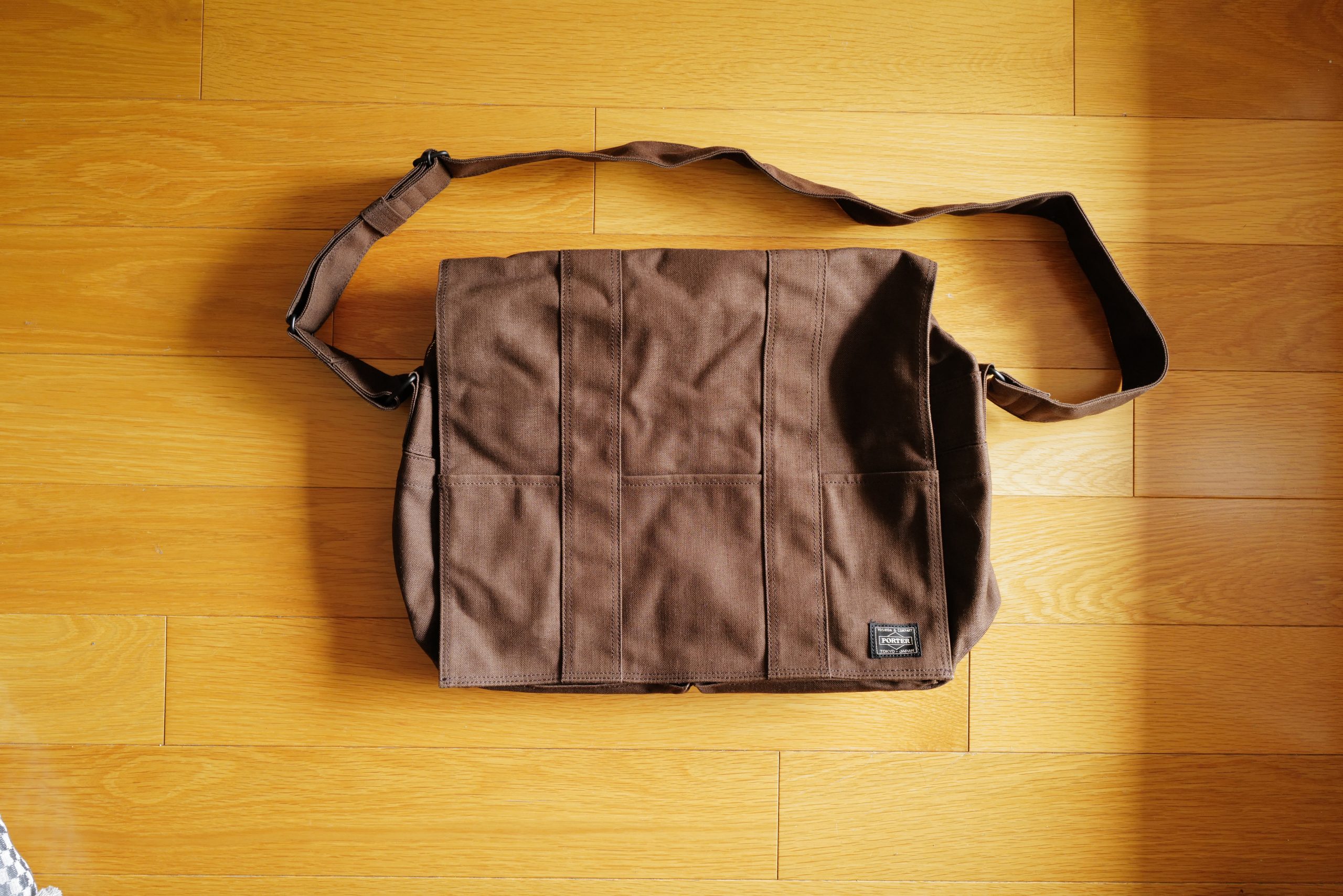
Canvas is a heavy-duty fabric made from cotton or linen. It feels rugged and works well for casual bags. Waxed canvas adds water resistance and durability. It can handle rough weather and outdoor use. Canvas bags are lightweight and breathable. They often come in many colors and patterns.
Nylon Options
Nylon is a synthetic fabric known for its strength and light weight. It resists water and tears easily. Ballistic nylon is extra tough and used in military gear. Nylon bags dry quickly and are easy to clean. They are perfect for active lifestyles and travel.
Polyester Choices
Polyester is another synthetic fabric common in messenger bags. It is water-resistant and less expensive than nylon. Polyester holds colors well and resists fading. It is lighter than canvas but not as strong as nylon. Polyester bags suit everyday use and moderate weather.
Vegan Leather Alternatives
Vegan leather offers an animal-free option for messenger bags. It looks similar to real leather but uses synthetic materials. Common types include PU and microfiber leather. Vegan leather is usually lighter and less costly. It appeals to users who want cruelty-free and stylish bags.
Durability Factors
Durability is key when choosing the right messenger bag material. It affects how long the bag lasts and how well it handles daily use. Understanding durability factors helps you pick a bag that stays strong and looks good over time. Four main aspects define the durability of messenger bag materials: water resistance, abrasion resistance, tear strength, and maintenance needs.
Water Resistance
Water resistance means the material can keep moisture out. Bags with water-resistant fabrics protect your items from rain and spills. Materials like coated nylon or treated canvas often resist water well. Leather may absorb water unless it is specially treated. Water resistance increases a bag’s usefulness in different weather conditions.
Abrasion Resistance
Abrasion resistance shows how well the material stands up to rubbing or scraping. Messenger bags face friction from straps, surfaces, and daily use. Strong fabrics like ballistic nylon and heavy-duty canvas resist wear and tear better than thin materials. High abrasion resistance keeps the bag looking new longer.
Tear Strength
Tear strength measures the material’s ability to resist ripping. Messenger bags carry heavy items and may catch on sharp edges. Durable materials like leather and ripstop nylon offer high tear strength. This quality prevents small cuts from turning into big holes, extending bag life.
Maintenance Needs
Maintenance needs refer to how easy the material is to clean and care for. Some materials need regular treatment to stay durable. Leather requires conditioning to avoid drying and cracking. Canvas and nylon usually need simple cleaning with mild soap and water. Choosing low-maintenance materials saves time and effort.

Style And Texture
The style and texture of a messenger bag shape its overall look and feel. These factors influence how the bag matches your outfit and fits your daily use. Different materials bring unique textures and styles. They create distinct impressions, from sleek and polished to rugged and casual. Choosing the right material helps express your personality and meets your needs.
Classic Leather Look
Leather offers a timeless, elegant style. It feels smooth and soft to the touch. Leather ages well, developing a rich patina over time. This material suits formal and business settings. It gives a polished and professional appearance. Leather bags often come with sturdy stitching and metal accents. These details add to the classic look.
Casual Canvas Appeal
Canvas has a relaxed, natural texture. It feels rougher but remains comfortable and flexible. Canvas bags suit casual and outdoor activities. They often come in earthy tones or bright colors. This material is lightweight and easy to clean. Canvas gives a laid-back vibe that fits everyday wear well. It matches jeans, t-shirts, and casual shoes perfectly.
Modern Synthetic Finishes
Synthetic materials like nylon or polyester offer a modern twist. They often have a smooth, shiny surface. These materials resist water and stains better than natural ones. Synthetic bags are usually lighter and more affordable. Many styles focus on practicality and durability. They suit urban lifestyles and active users. These finishes give a sleek, contemporary look that stands out.

Weight And Comfort
Weight and comfort play a major role in choosing the right messenger bag. A bag that feels too heavy or uncomfortable can cause strain during daily use. The materials used affect the bag’s overall weight and how comfortable it feels on your shoulder. Selecting the right fabric, strap padding, and breathability features can make a big difference.
Fabric Weight Comparison
Messenger bags come in fabrics that vary in weight. Canvas is heavier but very durable. Nylon is lighter and resists water well. Leather tends to be heavier and offers a classic look. Polyester falls between nylon and canvas in weight. Lightweight fabrics reduce the load you carry every day.
Strap Padding Materials
Straps carry the bag’s weight, so padding matters. Foam padding is common and soft to the touch. Gel padding molds to the shoulder for extra comfort. Neoprene offers cushioning and resists water. Some bags add mesh padding to improve airflow around the strap.
Breathability Features
Breathable materials prevent sweat build-up during use. Mesh panels allow air to flow freely. Perforated foam pads increase ventilation on straps. Some fabrics use special weaves to wick moisture away. Good breathability keeps you cool and comfortable all day.
Environmental Impact
The environmental impact of messenger bag materials matters greatly. Choosing the right material can reduce harm to nature. Many materials harm the planet through pollution and waste. Sustainable choices help protect ecosystems and reduce carbon footprints.
Sustainable Fabric Options
Sustainable fabrics like organic cotton and hemp use fewer chemicals. These materials grow naturally and need less water. Recycled polyester is another option that uses plastic waste. Such fabrics lower pollution and reduce demand for new resources.
Eco-friendly Production
Eco-friendly production involves using less energy and water. Factories can cut emissions by adopting cleaner technologies. Some brands use natural dyes that avoid toxic chemicals. This process protects workers and nearby communities.
Recycling And Upcycling
Recycling messenger bags saves materials from landfills. It turns old bags into new products, reducing waste. Upcycling gives bags a second life through creative design changes. Both methods lower environmental strain and promote circular use.

Best Materials For Usage
Choosing the right material for a messenger bag matters. It affects durability, style, and comfort. Different uses need different materials. Some materials suit work better, others fit travel or daily needs. Here are the best materials for various uses.
Work And Office Bags
Leather tops the list for office bags. It looks professional and ages well. Full-grain and top-grain leather resist wear and tear. Canvas is another good choice. It offers a casual but neat look. Nylon blends work too, especially for lightweight needs. These materials hold shape and protect documents and devices well.
Travel And Outdoor Bags
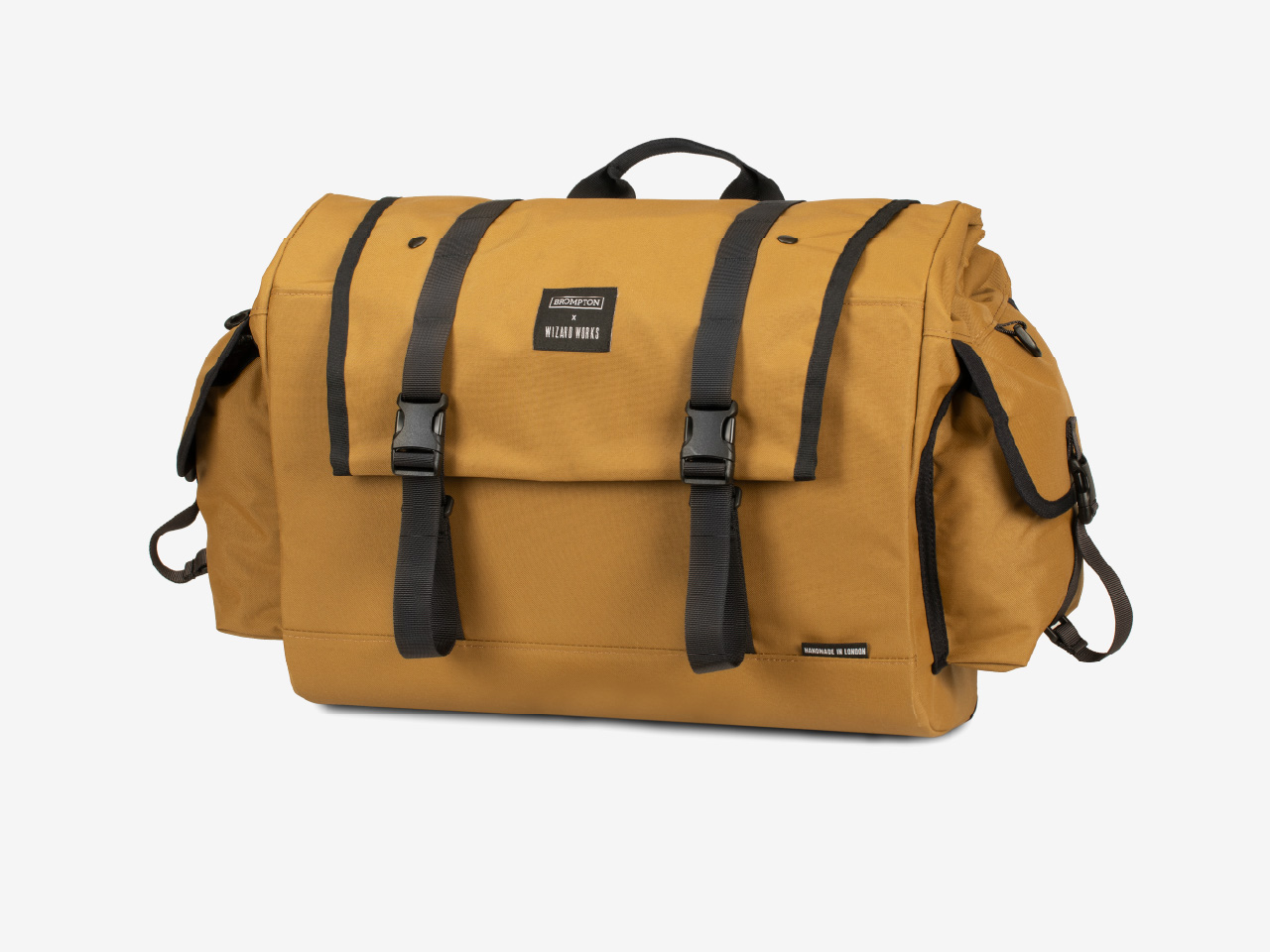
Nylon and polyester shine in travel and outdoor bags. They are water-resistant and easy to clean. These fabrics handle rough use and bad weather. Cordura nylon is popular for its strength. Waxed canvas also works for rugged style and durability. Look for bags with reinforced stitching to last longer.
Everyday Carry Bags
For daily use, comfort and flexibility count. Canvas is soft and lightweight, perfect for everyday tasks. Vegan leather offers a stylish and animal-friendly option. Mixed materials combine durability with ease of use. These bags fit essentials like phones, wallets, and small gadgets with ease.
Care Tips For Fabrics
Taking care of your messenger bag’s fabric helps keep it looking new and lasting longer. Different materials need different care methods. Understanding the right way to clean and maintain each fabric keeps your bag in top shape.
Proper care prevents damage and preserves the bag’s appearance. It also protects your investment. Below are simple tips to care for leather, canvas, and synthetic messenger bags.
Cleaning Leather
Use a soft cloth to wipe dirt off leather bags. Avoid harsh chemicals that dry out the leather. Apply a leather conditioner every few months to keep it soft. Let the bag air dry naturally if it gets wet. Store leather bags away from direct sunlight to prevent fading.
Washing Canvas
Brush off loose dirt gently with a soft brush. Spot clean with mild soap and water for stains. Avoid soaking the entire canvas bag in water. Let it air dry completely before using. For deep cleaning, use a fabric cleaner made for canvas materials.
Maintaining Synthetics
Wipe synthetic fabrics with a damp cloth to remove dirt. Use mild soap for tougher stains, then rinse well. Avoid high heat when drying synthetic bags. Store them in a cool, dry place to prevent damage. These materials usually resist water but still need gentle care.
Frequently Asked Questions
What Materials Are Commonly Used In Messenger Bags?
Messenger bags are typically made from leather, canvas, nylon, or polyester. These materials offer durability, style, and weather resistance, catering to different needs and preferences.
Which Messenger Bag Material Is Most Durable?
Ballistic nylon and thick canvas are the most durable materials. They resist wear, tear, and water, making them ideal for daily use and outdoor activities.
Is Leather A Good Material For Messenger Bags?
Yes, leather offers a classic look and excellent durability. It ages well but requires maintenance to stay supple and resist water damage.
How Does Canvas Compare To Leather In Messenger Bags?
Canvas is lightweight, breathable, and often more affordable. Leather provides a more formal appearance and better durability but can be heavier.
Conclusion
Choosing the right messenger bag material affects its look and durability. Leather offers a classic, stylish feel but needs care. Canvas provides a casual, sturdy option that lasts long. Nylon and polyester are lightweight and water-resistant, good for active use.
Each material suits different needs and budgets. Think about where and how you will use your bag. A well-chosen material makes carrying items easier every day. Your perfect messenger bag depends on comfort, style, and strength.