

Are you wondering whether your trusty backpack counts as a personal item or a carry-on when you fly? This question can save you from last-minute airport headaches and unexpected fees.
Knowing the difference is key to packing smart and traveling stress-free. You’ll discover exactly how airlines classify backpacks, what size rules you need to follow, and insider tips to make sure your bag fits perfectly—whether under the seat or in the overhead bin.
Keep reading to avoid surprises and breeze through your next trip with confidence.
Carry-on Vs Personal Item
Understanding the difference between a carry-on and a personal item helps travelers pack smart. Airlines often allow one carry-on bag plus one personal item per passenger. Each has different size limits and storage locations on the plane. Knowing these rules avoids extra fees and hassle at the gate.
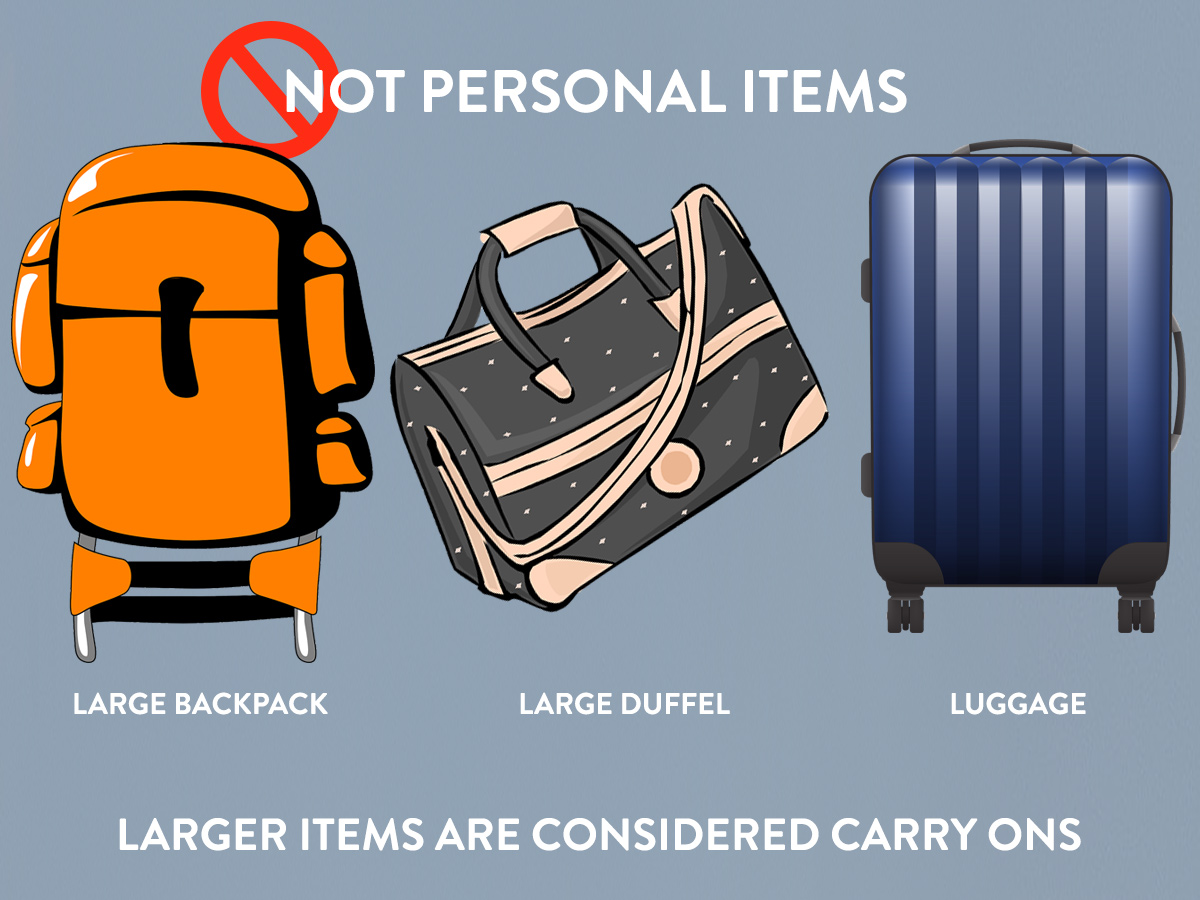
A backpack can fit into either category depending on its size. Small backpacks usually qualify as personal items. Larger backpacks often count as carry-on luggage. Checking your airline’s size restrictions is essential before you pack.
What Is A Carry-on?
A carry-on is a larger bag stored in the overhead bin. It must meet airline size limits, usually around 22 x 14 x 9 inches. Common examples include suitcases and bigger backpacks. Carry-ons hold more items and keep essentials close during flight.
What Is A Personal Item?
A personal item is smaller and fits under the seat in front of you. Typical personal items include small backpacks, purses, or laptop bags. The size limit is often about 18 x 14 x 8 inches. This bag holds important things like documents, phones, or snacks.
Backpack As A Carry-on Or Personal Item
Backpacks vary in size and purpose. Compact backpacks usually work as personal items. They slide easily under the seat. Larger backpacks are better suited as carry-ons. They go in the overhead bin and offer more space. Always measure your backpack before your trip.
Airline Baggage Policies
Airline baggage policies vary widely and affect how you pack. Knowing these rules helps you avoid surprises at the airport.
Policies define what counts as a personal item or a carry-on. Each airline has size and weight limits for bags.
Understanding these limits ensures you pack the right bag and avoid extra fees.
General Rules
- Personal Item: Small bag that fits under the seat, like a small backpack or purse.
- Carry-On: Larger bag placed in the overhead bin, such as a standard suitcase or larger backpack.
- Most airlines allow one personal item plus one carry-on per passenger.
Check Your Airline
- American Airlines, United, Southwest allow one personal item and one carry-on for most fares.
- Budget airlines or Basic Economy tickets may only allow a personal item or charge extra for carry-ons.
- Rules vary, so always check the airline’s website before packing.
Before You Fly
- Verify your ticket type and baggage rules in your booking confirmation.
- Measure your backpack to ensure it meets the airline’s size limits.
- Consider packing light to avoid checked baggage fees.
Backpack As A Carry-on
A backpack often serves as a convenient carry-on bag for many travelers. It fits well in overhead compartments on airplanes. Airlines accept backpacks as carry-on items if they meet size requirements.
Using a backpack as a carry-on keeps essentials close and easy to reach. It offers more space than a personal item but must fit overhead. Many travelers prefer backpacks for comfort and storage.
Size Limits For Backpacks As Carry-ons
Airlines set size limits for carry-on bags, including backpacks. Common maximum dimensions are around 22 x 14 x 9 inches. Measuring your backpack before flying avoids surprises at the gate.
Large backpacks may not fit in the overhead bin. If too big, airlines might require checking the bag. Always check airline rules before packing your backpack as carry-on.
Advantages Of A Backpack As A Carry-on
Backpacks distribute weight evenly across your shoulders. This reduces strain compared to single-strap bags. Multiple compartments help organize travel items clearly.
Backpacks offer hands-free convenience. You can move quickly through airports and board easily. They also fit nicely in overhead bins, saving space.
Tips For Using A Backpack As A Carry-on
Choose a lightweight backpack with sturdy handles. Use packing cubes to keep items tidy inside. Avoid overpacking to meet airline size rules.
Make sure the backpack closes securely. This prevents items from falling out during travel. Label your backpack with your contact information.


Backpack As A Personal Item
A backpack often serves as a personal item on flights. Airlines usually allow one personal item alongside a carry-on bag. The personal item fits under the seat in front of you. It must be smaller and more compact than a carry-on.
Many travelers choose backpacks as personal items for convenience. Backpacks hold essentials like laptops, documents, and snacks. They keep important items close and easy to reach during the flight.
What Qualifies A Backpack As A Personal Item?
Size matters most in defining a personal item. A personal item backpack should fit under the airplane seat. Typical dimensions are around 18 x 14 x 8 inches. Larger backpacks usually count as carry-ons instead.
Lightweight and slim backpacks often meet airline rules. A bulky or oversized backpack may not qualify as a personal item. Always check your airline’s size restrictions before packing.
Benefits Of Using A Backpack As A Personal Item
Backpacks offer easy access to essentials during the flight. They free up your hands while navigating the airport. Backpacks also provide organized compartments for gadgets and documents.
They tend to be more comfortable to carry than briefcases or purses. Backpacks distribute weight evenly across your shoulders. This reduces strain during long walks or waits.
Airline Rules For Personal Item Backpacks
Most major airlines allow one personal item plus one carry-on bag. Personal item rules vary by airline and ticket type. Budget airlines and basic economy fares may have stricter limits.
Personal items must fit under the seat, not in overhead bins. Airlines may measure your backpack at the gate. Oversized backpacks may be asked to check in or pay fees.
Confirm your airline’s exact size limits before flying. This helps avoid surprises and extra charges at the airport.
Size Limits For Backpacks
Size limits for backpacks play a big role in deciding if it counts as a personal item or a carry-on. Airlines set strict rules on dimensions to fit bags in specific spaces. Knowing these limits helps avoid extra fees and delays at the airport.
Backpacks that are too large usually must go in the overhead bin as carry-ons. Smaller backpacks often fit under the seat and qualify as personal items. Checking size rules before packing saves time and money.
Personal Item Size Limits
Most airlines allow a personal item that fits under the seat in front of you. The typical size limit is around 18 x 14 x 8 inches. This includes small backpacks, purses, or laptop bags.
Backpacks larger than this may not fit under the seat. They might need to be checked or counted as a carry-on. Airlines want personal items to be compact and easy to store below the seat.
Carry-on Size Limits
Carry-on bags must fit in the overhead bin. Standard size limits are about 22 x 14 x 9 inches. This allows space for larger backpacks or small suitcases.
Backpacks that meet these dimensions count as carry-ons. They do not need to be checked but must be stored overhead during the flight. Carry-ons offer more space but must fit the airline’s rules.
Checking Airline Size Rules
Each airline sets its own size limits for personal items and carry-ons. Some budget airlines have smaller limits or charge extra for carry-ons. Always check your airline’s website before packing.
Knowing exact size limits avoids surprises at the airport. Airlines post these limits clearly. Use a tape measure to check your backpack’s size before travel.
Budget Airlines Rules
Backpacks can be a personal item or a carry-on depending on size and airline rules. Small backpacks fit under the seat as personal items. Larger backpacks must go in the overhead bin as carry-ons. Always check your airline’s baggage policy before packing.
Budget airlines often have strict baggage policies. They try to keep costs low by limiting free baggage allowances. This affects whether a backpack counts as a personal item or a carry-on.
Many budget carriers allow only one free personal item. This personal item must fit under the seat. Carry-on bags that go in overhead bins usually cost extra.
Backpacks can be tricky. If your backpack is small, it may count as a personal item. Larger backpacks often count as carry-ons and may require a fee.
Size Limits And Fees
Budget airlines set tight size limits for bags. Personal items are usually limited to about 18 x 14 x 8 inches. Carry-ons can be bigger but often have weight limits too.
Exceeding these limits usually means paying extra fees. These fees can be high compared to standard airlines. It is important to measure your backpack before travel.
Booking Class Impact
Basic Economy or similar budget fares often allow only a personal item for free. Carry-ons require an additional payment. Higher fare classes may include both personal item and carry-on.
Choose your fare wisely if you want to bring a carry-on bag without extra fees. Always check the airline’s baggage policy before booking.
Checking Your Ticket Details
Understanding whether your backpack counts as a personal item or a carry-on starts with your ticket. Each airline sets its own rules for baggage allowances. These rules often vary by ticket type and fare class.
Reviewing your ticket details helps avoid surprises at the airport. It shows what bags you can bring without extra fees. This step saves time and stress during check-in and boarding.
Check Your Airline’s Baggage Policy
Look at the airline’s website for baggage size and weight limits. Some airlines allow one personal item plus one carry-on bag. Others, especially budget carriers, restrict carry-ons or charge extra for them.
Check if your backpack fits the allowed dimensions for a personal item or carry-on. Size limits differ, so a backpack that works for one airline may not work for another.
Review Your Fare Type
Ticket classes affect baggage rules. Basic Economy tickets often allow only a personal item. Standard economy usually includes both a personal item and a carry-on.
Higher fare classes may offer more flexibility with baggage. Confirm your fare type on your booking confirmation or ticket receipt. This helps you plan what to pack and bring aboard.
Look For Specific Ticket Instructions
Sometimes, airlines provide extra baggage details on your ticket. These details can include size limits and number of allowed bags. Check for notes or special instructions.
Some tickets mention fees for additional or oversized bags. Knowing this early helps you avoid unexpected charges at the airport.


Measuring Your Backpack
Airlines usually allow one personal item and one carry-on bag per passenger. A small backpack fits as a personal item under the seat, while a larger backpack counts as a carry-on and goes in the overhead bin. Always check your airline’s size rules before packing.
Knowing the exact size of your backpack helps decide if it is a personal item or carry-on. Airlines set strict size limits for both. Measuring your backpack is easy and quick. Use a tape measure or a ruler for accuracy.
Measure the height, width, and depth of your backpack. Include any pockets or straps that stick out. Write down these numbers to compare with airline rules. This step avoids surprises at the airport.
Height Measurement
Place your backpack on a flat surface. Measure from the bottom to the highest point. Make sure to include any handles or top pockets. This is the height airlines consider for size limits.
Width Measurement
Measure the backpack at its widest part. This is usually the middle or bottom section. Keep the backpack fully expanded to get the true width. Do not squeeze or compress it when measuring.
Depth Measurement
Measure how thick the backpack is from front to back. Include any bulges or extra compartments. This measurement helps determine if it fits under the seat or in the overhead bin. Be precise for best results.
Tips For Using Personal Item Backpacks
Using a personal item backpack smartly can improve your travel experience. It helps keep essentials close and saves time at the airport. Packing the right items and choosing the correct size are key steps. Organizing your backpack well makes airport security checks easier. This section gives useful tips for using personal item backpacks effectively.
Choose The Right Size
Select a backpack that fits under the airplane seat. Most airlines require personal items to be small. Measure your backpack before your trip to avoid surprises. A compact backpack fits better and meets airline rules.
Packing Essentials Only
Carry only what you need during the flight. Pack items like your wallet, phone, travel documents, and a small snack. Avoid overloading the backpack to keep it light and easy to handle. This also helps in fitting the backpack under the seat.
Organize For Easy Access
Use compartments to separate items inside the backpack. Keep your passport and boarding pass in an easy-to-reach pocket. Store electronics and liquids in separate sections for quick security checks. Good organization saves time and reduces stress.
Wear Your Backpack Through The Airport
Keep your backpack on your back when walking through the airport. This keeps your hands free for other tasks. It also helps prevent losing your bag or leaving it behind. Wearing it also makes security checks smoother.
Check Airline Rules Before Flying
Confirm size limits for personal items with your airline before the trip. Some airlines have strict rules about backpack dimensions. Knowing the rules avoids extra fees or having to check your bag. Always review the airline’s website for the latest baggage policies.

Using Bag Sizers At Airports
Using bag sizers at airports helps travelers know if their backpack fits airline rules. These sizers are metal or plastic frames at the check-in or boarding area. They measure your bag’s size quickly and clearly. This tool prevents surprises and extra fees at the gate.
Bag sizers show if your backpack counts as a personal item or carry-on. Each airline has different size limits for these categories. Using a bag sizer avoids confusion about which bag you can bring on board.
How Bag Sizers Work
Bag sizers have fixed dimensions for carry-ons and personal items. You slide your backpack into the frame. If it fits, it meets size rules. If not, you might need to check it or change bags.
Why Use Bag Sizers
Airlines want smooth boarding and no delays. Bag sizers speed up the process. They help staff enforce rules fairly. Travelers get clear answers about their backpack’s status.
Common Size Limits For Backpacks
Personal items usually must fit under the seat. Size is about 18 x 14 x 8 inches. Carry-ons fit in overhead bins and are larger. Typical carry-on size is 22 x 14 x 9 inches. Check airline websites for exact limits.
Tips For Using Bag Sizers
Test your backpack before arriving at the airport. Measure your bag at home with a tape measure. Pack smart to keep your bag within limits. If your backpack is too big, consider a smaller bag as your personal item.
Common Mistakes To Avoid
Many travelers get confused about packing their backpack for a flight. Mistakes happen when they do not know the difference between a personal item and a carry-on. These errors can cause delays or extra fees at the airport. Understanding common mistakes helps avoid hassle and saves money. Here are some frequent errors to watch out for.
Checking Size Without Confirming Airline Rules
Each airline has different size limits for carry-ons and personal items. Measuring your backpack without checking these rules leads to problems. A backpack that fits one airline may be too big for another. Always verify size limits on the airline’s website before packing.
Assuming All Backpacks Count As Personal Items
Not all backpacks qualify as personal items. Smaller backpacks usually fit under the seat and count as personal items. Larger backpacks must go in the overhead bin as carry-ons. Mistaking a large backpack for a personal item may cause gate checks or fees.
Overpacking The Backpack
Filling a personal item backpack too much can make it too large to fit under the seat. Airlines require personal items to be compact. Overstuffed backpacks lose their “personal item” status and need to be checked or carried as a carry-on.
Trying To Bring Two Personal Items
Most airlines only allow one personal item per passenger. Bringing two small bags, like a backpack and a purse, can cause confusion. One bag must be a carry-on if you have two. Always check the airline policy to avoid extra charges.
Not Preparing For Security Checks
Backpacks packed with many items can slow down security screening. Liquids, electronics, and other items must be easy to access. Packing in an organized way helps pass through security faster and reduces stress.
Maximizing Carry-on Space
Maximizing carry-on space is crucial for stress-free travel. Airlines limit the size and number of bags you can bring. Using your backpack wisely helps you carry more without extra fees. Smart packing makes your journey easier and more comfortable.
Choosing the right items and organizing them well saves valuable space. Keep essentials handy and pack efficiently to fit everything you need. This approach avoids last-minute repacking or leaving things behind.
Choose The Right Backpack Size
Select a backpack that fits airline carry-on dimensions. Most airlines allow carry-ons around 22 x 14 x 9 inches. A smaller backpack may count as a personal item instead. Check your airline’s rules before packing.
Use Packing Cubes And Organizers
Packing cubes keep your items neat and compressed. They make it easier to find things quickly. Organizers help separate electronics, clothes, and toiletries. This method maximizes space and keeps your backpack tidy.
Pack Only What You Need
Focus on essentials to avoid overpacking. Choose versatile clothing that mixes and matches. Limit bulky items to save room. Remember, heavier bags slow you down at the airport.
Utilize External Backpack Pockets
Use pockets for small items like chargers, passports, or snacks. Easy access pockets save time during security checks. Avoid stuffing bulky items in outer pockets to keep your bag balanced.
Wear Bulky Items During Travel
Wear jackets or boots instead of packing them. This frees up backpack space for other items. It also reduces the weight you carry inside your bag. Layer clothes for warmth without adding bulk to your backpack.
Frequently Asked Questions
Is A Backpack A Carry-on Or Personal Item?
A backpack can be a personal item or carry-on depending on its size. Small backpacks fit under the seat as personal items. Larger backpacks go in overhead bins as carry-ons. Always check your airline’s size rules before flying.
Can I Have Two Personal Items On A Plane?
Most airlines allow one personal item plus one carry-on bag per passenger. Two personal items are usually not permitted. Check your airline’s size and policy rules before flying.
Can I Put A Backpack In A Carry-on?
Yes, you can put a backpack in a carry-on if it meets airline size limits. Check your airline’s specific rules before packing. Smaller backpacks often count as personal items, while larger ones fit in overhead bins as carry-ons. Always measure your backpack including handles and pockets.
How Big Of A Backpack Can I Bring On A Plane?
Most airlines allow backpacks up to 22 x 14 x 9 inches as carry-ons. Smaller backpacks (around 18 x 14 x 8 inches) fit as personal items under the seat. Always check your airline’s specific size rules before flying to avoid extra fees or denied boarding.
Conclusion
Choosing whether your backpack counts as a personal item or carry-on depends on size and airline rules. Small backpacks usually fit under the seat and qualify as personal items. Larger backpacks may need to go in the overhead bin as carry-ons.
Airlines have different size limits, so always check their policies before packing. Knowing these rules helps avoid extra fees and stress at the airport. Pack smart and travel light for a smoother journey.