

Choosing the best travel bag for a long journey can make all the difference between a smooth trip and constant hassle. You want a bag that fits your needs, keeps your belongings safe, and stays comfortable to carry no matter how far you go.
But with so many options out there, how do you pick the perfect one? This guide will walk you through the key features to consider, so you can travel smarter and stress less. Keep reading, and by the end, you’ll know exactly what to look for in your ideal travel bag.
Types Of Travel Bags
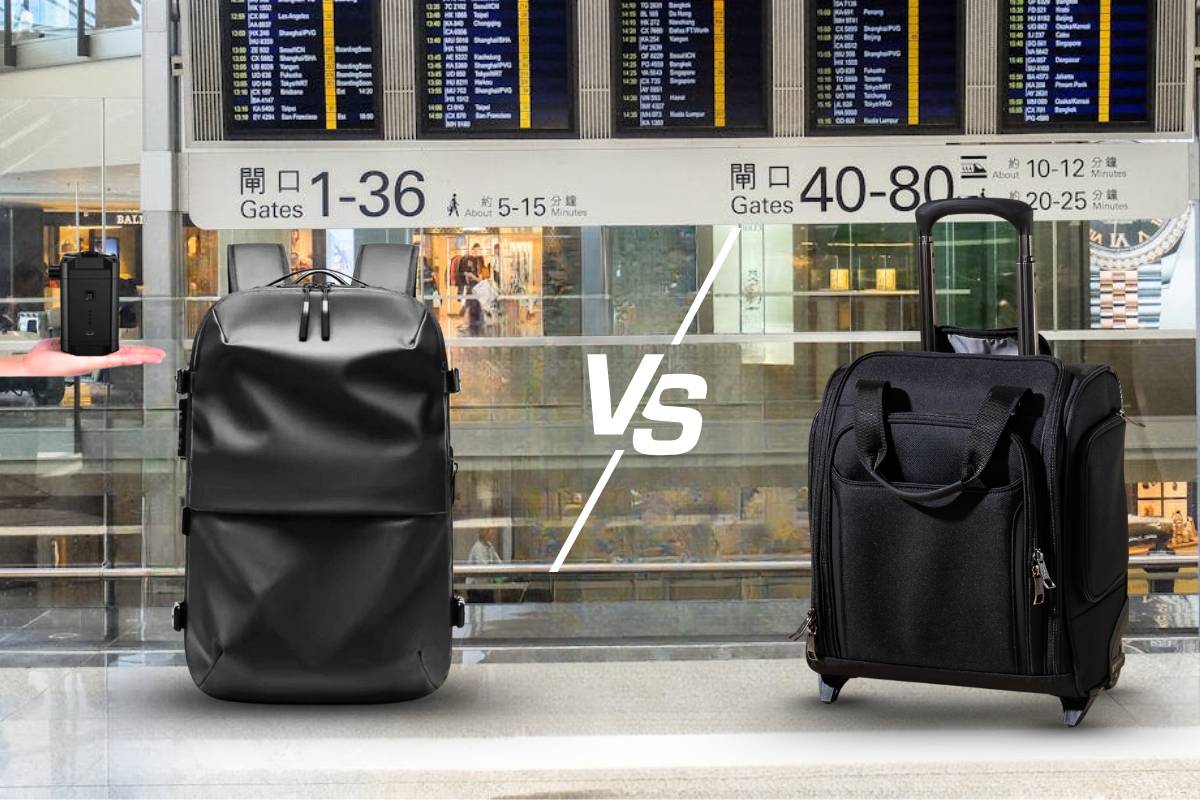
Choosing the right travel bag starts with knowing the types available. Each bag type serves different needs and travel styles. Understanding these helps pick a bag that fits your journey perfectly.
Suitcases
Suitcases are classic travel bags with a hard or soft shell. They offer good protection for clothes and items. Most have wheels and a handle for easy movement. Perfect for trips where you need to keep things organized and wrinkle-free.
Backpacks
Backpacks are versatile and great for hands-free travel. They come in many sizes and styles. Ideal for travelers who move a lot or walk long distances. Look for padded straps and multiple compartments for comfort and storage.
Duffel Bags
Duffel bags are soft, flexible, and easy to carry. They can fit oddly shaped items and expand as needed. Good for casual travelers or those who pack bulky gear. Many come with shoulder straps for added convenience.
Carry-ons
Carry-ons are small bags designed to fit airline overhead bins. They save time by avoiding checked luggage. Choose a lightweight carry-on with smooth wheels and easy access pockets. Great for short trips or as a second bag on longer journeys.


Material Choices
Choosing the right material for a travel bag shapes your journey comfort and durability. The material affects weight, protection, and handling. Different materials suit different travel styles and needs. Understanding the pros and cons of each helps you pick wisely.
Hard Shell
Hard shell bags use strong plastic like polycarbonate or ABS. They protect your items from impacts and rough handling. These bags resist crushing and keep shapes intact. They suit travelers carrying fragile or valuable goods. Hard shells often include a smooth finish that repels dirt. Their rigid form can limit expansion and packing flexibility.
Soft Shell
Soft shell bags use fabrics such as nylon or polyester. They offer flexibility and lighter weight than hard shells. These bags can expand to fit extra items. Soft shells often have multiple pockets for organization. They absorb shocks less than hard shells but handle squeezing better. Soft bags usually have external compartments for quick access.
Water Resistance
Water resistance is vital for long journeys in varied weather. Materials with water-resistant coatings keep your belongings dry. Hard shells generally repel water well by default. Soft shells need treated fabrics or rain covers for water protection. Check zippers and seams for water resistance too. A water-resistant bag ensures peace of mind on wet days.
Size And Capacity
Choosing the right size and capacity for your travel bag is essential for a long journey. The bag must fit all your belongings without being too heavy or bulky. It should offer enough space to organize your items efficiently. A well-sized bag helps you move easily and avoids extra fees.
Duration-based Sizing
The length of your trip guides your bag size choice. For trips up to three days, a small carry-on bag works well. For a week or more, a medium-sized suitcase or backpack is better. Trips longer than two weeks may need a large suitcase or duffel bag. Packing only what you need keeps your load lighter.
Airline Restrictions
Airlines have rules on bag size and weight. Carry-on bags usually must fit in overhead bins or under the seat. Check your airline’s limits before buying a bag. Oversized or overweight bags can cause extra charges. Choosing a bag that meets these rules saves time and money at the airport.
Expandable Options
Bags with expandable compartments offer flexibility. They let you increase capacity if you buy extra items during travel. Expandable zippers add space without needing a new bag. This feature is useful for longer trips or when packing gifts. Make sure the expandable section is sturdy and easy to use.

Comfort And Ergonomics
Choosing a travel bag for a long journey means thinking about comfort and ergonomics. A bag that feels good on your body helps avoid pain and fatigue. Comfort keeps you moving easily during long trips. Ergonomic design supports your posture and reduces strain on muscles and joints.
Padded Straps
Padded straps soften the pressure on your shoulders. They stop straps from digging into your skin. Look for thick, soft padding made from breathable materials. Adjustable straps help fit the bag perfectly to your body. This reduces discomfort and prevents soreness after carrying the bag for hours.
Wheels And Handles
Wheels make moving your bag easier on smooth surfaces. Choose bags with sturdy, smooth-rolling wheels. Retractable handles should feel firm and comfortable in your hand. Bags with both wheels and handles give more ways to carry. This flexibility helps you avoid strain when walking or lifting your bag.
Weight Distribution
A well-designed bag spreads weight evenly across your body. Balanced weight reduces stress on any one part. Backpacks with chest and waist straps offer better support. These straps hold the bag close to your body. Even weight distribution prevents back pain and keeps you steady while walking.
Security Features
Security features are vital when choosing the best travel bag for a long journey. They protect your belongings from theft and loss. A secure bag gives peace of mind during travel. Choose bags with strong, reliable safety elements to keep valuables safe.
Lockable Zippers
Lockable zippers prevent thieves from opening your bag easily. They allow you to secure main compartments with small padlocks. Choose bags with durable zipper pulls designed for locks. This feature stops quick access by pickpockets in crowded places.
Slash-resistant Materials
Slash-resistant fabrics use tough fibers or hidden wires. They protect your bag from being cut open. This material keeps contents safe during busy travel or on public transport. Bags with slash-resistant straps prevent thieves from snatching them away.
Rfid Protection
RFID protection blocks signals that steal credit card or passport data. Bags with special lined pockets stop electronic pickpocketing. This feature is useful in airports, train stations, and crowded areas. It adds a layer of digital security for your important documents.
Hidden Pockets
Hidden pockets keep valuables out of sight and reach. They provide secret spaces for passports, money, or tickets. Choose bags with well-placed, discreet compartments. Hidden pockets reduce the risk of theft and help organize important items safely.


Organization And Accessibility
Good organization and easy access make traveling smoother and less stressful. A well-organized bag lets you find items quickly. This saves time and keeps your journey comfortable. When choosing a travel bag for a long trip, focus on features that help keep your belongings neat and easy to reach.
Compartments And Pockets
Choose bags with several compartments and pockets. Different sections help separate clothes, gadgets, and toiletries. Small pockets are perfect for keys, chargers, and passports. This design prevents items from mixing and makes packing faster. It also reduces the chance of losing things during travel.
Packing Cubes Compatibility
Packing cubes are small bags that organize clothes inside your main bag. Look for travel bags that fit packing cubes well. This keeps your clothes compressed and wrinkle-free. Cubes also make it easier to unpack and repack. This helps maintain order, especially on long trips with many stops.
Quick Access Sections
Quick access pockets let you grab important items fast. These include spots for passports, boarding passes, and phones. Bags with front or side pockets work best for this. You don’t need to open the whole bag at security or check-in. This feature saves time and reduces hassle during travel.
Durability And Warranty
Durability and warranty are key factors in choosing the best travel bag for a long journey. A durable bag withstands rough handling and harsh weather conditions. It protects your belongings and lasts for many trips. Warranty gives peace of mind by covering defects and damage. Together, they ensure you get value for your money and a reliable travel companion.
Brand Reputation
Reputable brands often produce durable travel bags. They use quality materials and strong construction methods. Customers trust these brands due to consistent performance. Check reviews and ratings to learn about brand reliability. A well-known brand stands behind its products with good support.
Material Quality
The quality of materials directly affects bag durability. Look for strong fabrics like ballistic nylon or polyester. Reinforced stitching and sturdy zippers add strength. Waterproof or water-resistant materials protect your items from rain. Quality hardware like metal zippers and buckles last longer than plastic ones.
Warranty Coverage
A solid warranty covers manufacturing defects and damage under normal use. Some brands offer lifetime warranties, showing confidence in their products. Read the warranty terms carefully to know what is included. A good warranty saves money on repairs or replacements. It also reflects the brand’s commitment to quality.
Style And Design
Style and design matter a lot when choosing a travel bag for a long journey. Your bag should look good and match your personal taste. It also needs to fit the type of travel you will do. A well-designed bag makes packing easier and travel more enjoyable. Let’s explore some key style features to consider.
Color Options
Color affects how easy it is to spot your bag. Bright colors stand out on busy airport carousels. Dark colors hide dirt and wear better over time. Neutral shades like black, gray, or navy offer a classic look. Choose a color that fits your style and travel needs.
Brand Aesthetics
Brands create bags with unique looks and quality. Some brands focus on bold, trendy designs. Others prefer timeless, simple styles. Your choice reflects your personality. Pick a brand whose style you admire and trust for durability.
Minimalist Vs. Feature-rich
Minimalist bags have clean lines and fewer pockets. They suit travelers who pack light and want sleek designs. Feature-rich bags offer many compartments and extra tools. These help organize and protect your gear well. Decide if you want simplicity or many features for your journey.
Budget Considerations
Choosing the right travel bag depends heavily on your budget. Your budget sets limits on the type, size, and features of the bag you can buy. Keeping costs in mind helps you avoid overspending while still getting good quality. There are options available for every price range. This guide breaks down travel bags by budget to help you find the perfect fit for your long journey.
Affordable Options
Affordable travel bags work well for occasional travelers. These bags often use basic materials but stay durable for short trips. Look for lightweight fabrics and simple designs. Features like multiple compartments and easy handles add value. Brands in this range focus on functionality without extra frills. These bags fit tight budgets but still offer reliability.
Mid-range Picks
Mid-range travel bags offer better materials and more design choices. They usually include water-resistant fabrics and stronger zippers. These bags often have extra padding for comfort and protection. You get more compartments and sometimes wheels for easier transport. Mid-range picks balance quality and price well. They suit frequent travelers who want durability without a premium cost.
Premium Choices
Premium travel bags use top-quality materials and craftsmanship. Expect features like reinforced frames and advanced security locks. These bags often have ergonomic straps and smart organization systems. Brands in this category offer warranty and excellent customer support. Premium bags last longer and handle heavy use. They fit travelers who want comfort and reliability on long journeys.
Tips For Packing Light
Packing light makes long journeys easier and more comfortable. It helps you move freely and avoid extra baggage fees. Smart packing means choosing items that serve many purposes. This keeps your travel bag light and organized. Use these tips to pack only what you really need.
Capsule Wardrobe
Create a capsule wardrobe with a few versatile clothes. Pick neutral colors that match well together. Choose lightweight fabrics that dry quickly and resist wrinkles. Include layers like a jacket or sweater for changing weather. This way, you can mix and match outfits easily. It saves space and reduces the number of items you carry.
Using Packing Cubes
Packing cubes keep your belongings neat and compact. Use different cubes for clothes, toiletries, and electronics. They help compress items and save space in your bag. Cubes also make it easy to find what you need fast. This method prevents your bag from becoming messy during the trip.
Personal Item Strategy
Your personal item is a chance to carry essentials on board. Use a small backpack or tote that fits under the seat. Pack important items like documents, snacks, and a change of clothes. Keep electronics and chargers handy for easy access. This strategy reduces stress and keeps valuables close.
Frequently Asked Questions
What Is The 1 2 3 4 5 6 Packing Rule?
The 1 2 3 4 5 6 packing rule guides travelers to pack efficiently by limiting items: 1 bag, 2 shoes, 3 tops, 4 bottoms, 5 accessories, and 6 essentials. This method ensures lightweight, organized, and practical packing for trips.
What Are The 5 Biggest Packing Mistakes To Avoid?
The 5 biggest packing mistakes to avoid are: overpacking, ignoring weather, skipping a checklist, forgetting chargers, and not organizing items efficiently.
Do Airlines Prefer Hard Or Soft Luggage Internationally?
Airlines do not prefer hard or soft luggage internationally. Choose based on durability, weight, and ease of handling. Soft luggage offers flexibility; hard luggage provides better protection. Check airline size and weight restrictions before traveling.
What Is The Best Bag To Stop Pickpockets?
The best bag to stop pickpockets is an anti-theft bag with lockable zippers, slash-resistant fabric, and RFID blocking pockets. Crossbody or sling styles keep the bag secure and visible. Trusted brands include Pacsafe, Travelon, and Baggallini, designed to protect valuables in crowded places.
Conclusion
Choosing the best travel bag makes your long journey easier and more enjoyable. Focus on size, durability, and comfort to match your travel needs. Don’t forget security features to keep belongings safe. Pick a bag that fits your style and travel habits well.
A good travel bag helps you stay organized and stress-free. Take time to compare options before making a choice. Your perfect travel companion awaits!
