

Are you ready to explore the world without leaving a heavy footprint behind? Traveling is one of life’s greatest joys, but it can also harm the planet if you’re not careful.
What if you could enjoy your trip and still protect the environment? This guide will show you simple, practical eco friendly travel tips that anyone can use. By making small changes, you’ll not only feel good about your choices but also inspire others to follow your lead.
Keep reading to discover how easy and rewarding green travel can be for you and the planet.


Choosing Sustainable Destinations
Choosing sustainable destinations helps reduce travel’s impact on the planet. It supports places that care for nature and local people. This choice makes your trip meaningful and kind to the environment. Sustainable destinations focus on preserving beauty and culture for future visitors.
Eco-certified Locations
Eco-certified locations follow rules to protect nature and reduce waste. They use energy from clean sources and save water. Hotels and tours with eco-certificates show care for the environment. Choosing these spots helps keep nature safe and clean.
Supporting Local Communities
Picking destinations that support local people helps their economy. It creates jobs and keeps traditions alive. Buying from local shops and eating local food spreads money fairly. This support builds strong communities and enriches your travel experience.
Protecting Wildlife Habitats
Some places focus on saving animals and their homes. Visiting these areas carefully helps keep wildlife safe. Avoid places that harm animals or disturb their living areas. Respecting nature lets animals live freely and keeps ecosystems healthy.
Green Transportation Options
Choosing green transportation helps reduce pollution and protect nature. It also saves money and lets you experience places differently. Many options exist for eco-friendly travel. These options fit various needs and travel styles.
Public Transit And Trains
Public buses and trains carry many people at once. This lowers the number of cars on roads. Fewer cars mean less air pollution and traffic jams. Trains often run on electricity, which can be cleaner than gas. Using public transit supports local communities and saves energy.
Biking And Walking
Biking and walking produce zero pollution. These options improve your health and let you enjoy fresh air. Many cities have bike lanes and walking paths. Short trips become fun and easy this way. Carry a small backpack and explore places slowly and safely.
Electric And Hybrid Vehicles
Electric cars use batteries instead of gasoline. They produce no tailpipe emissions. Hybrid vehicles mix gasoline and electric power. This reduces fuel use and pollution. Both types cost less to run than regular cars. Charging stations are becoming more common worldwide.
Eco-friendly Accommodation
Choosing eco-friendly accommodation reduces your travel footprint. Staying in places that care for the environment helps protect nature. It also supports local communities and promotes sustainable tourism. Many options exist, from hotels to camping spots. Each choice offers a unique way to travel green.
Green Hotels And Hostels
Green hotels and hostels use energy-saving systems. They often recycle waste and use water wisely. Many provide organic food and reduce plastic use. These places focus on lowering pollution and saving resources. Staying here supports businesses committed to the planet’s health.
Camping With Low Impact
Camping close to nature leaves little or no trace. Use reusable gear and avoid burning trash. Choose campsites that protect wildlife and plants. Keep noise low and respect local rules. Camping this way keeps outdoor spaces clean and safe for everyone.
Home Sharing And Eco-lodges
Home sharing helps travelers live like locals while saving energy. Eco-lodges use natural materials and clean energy sources. They often support community projects and protect wildlife. These stays offer comfort and a chance to learn about local culture. Both choices lower your travel impact and enrich your experience.

Packing For Sustainability
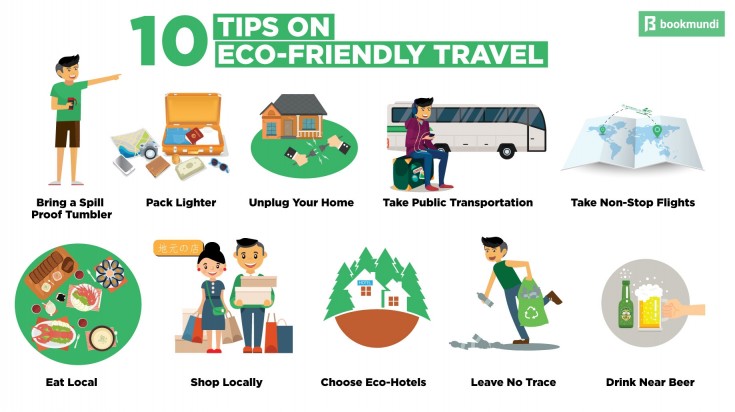
Packing for sustainability helps reduce waste and pollution while traveling. It means choosing items that last long and can be reused many times. This approach lowers your impact on the environment. Small changes in packing can make a big difference for the planet.
Reusable Gear And Containers
Bring reusable water bottles to avoid plastic waste. Use cloth bags for shopping or carrying items. Carry metal or bamboo utensils instead of single-use plastic ones. Small containers for snacks or toiletries help cut down on disposable packaging. These simple swaps save trash and keep you prepared.
Minimalist Packing Tips
Pack only what you truly need. Choose versatile clothes that mix and match easily. Limit shoes to two pairs or less. Avoid heavy or bulky items that increase fuel use in transport. Light packing saves energy and reduces your travel footprint.
Eco-friendly Clothing Choices
Pick clothes made from natural fibers like cotton, linen, or wool. Avoid synthetic fabrics that shed microplastics in water. Select pieces made with organic or recycled materials. Wear durable items that last through many trips. Eco-friendly clothes support sustainability on the road.
Reducing Waste On The Road
Traveling can create a lot of waste. Reducing waste on the road helps protect nature and keeps places clean. Small changes make a big difference. Carrying less trash means less harm to the environment and wildlife. It also makes your trip more pleasant and responsible.
Avoiding Single-use Plastics
Single-use plastics cause much pollution. Use reusable bottles, bags, and containers instead. Carry a metal or glass water bottle. Say no to plastic straws and cutlery. Packing your own reusable items lowers plastic waste. It saves money and reduces trash on the road.
Proper Waste Disposal
Trash bins are not everywhere. Always carry a small bag for your waste. Sort trash into recyclables and non-recyclables. Dispose of waste in designated bins only. Leaving trash behind harms nature and animals. Proper disposal keeps travel spots clean and safe.
Supporting Zero-waste Initiatives
Some places promote zero-waste travel. Visit shops and cafes that avoid plastic packaging. Choose eco-friendly accommodations that recycle and compost. Join local clean-up events during your trip. Supporting these initiatives encourages more eco-friendly practices. It helps build a cleaner world for everyone.


Respecting Nature And Culture
Respecting nature and culture is key to eco-friendly travel. It helps protect the environment and honors local people. Travelers should act responsibly to keep places beautiful and safe. Understanding local customs and natural rules makes travel better for everyone.
Leave No Trace Practices
Always carry out what you bring in. Avoid leaving trash or food scraps behind. Stick to marked paths to protect plants and soil. Do not pick flowers or disturb natural features. Small actions keep nature clean and healthy.
Cultural Sensitivity
Learn about local customs before visiting. Dress respectfully to match local traditions. Ask permission before taking photos of people or homes. Use polite language and gestures. Respect sacred sites and ceremonies by observing quietly.
Wildlife Interaction Guidelines
Keep a safe distance from animals. Do not feed or touch wildlife. Avoid loud noises that may scare animals. Observe animals quietly to avoid stress. Respect animal habitats to keep them safe and natural.
Offsetting Carbon Footprint
Offsetting your carbon footprint helps reduce the impact of travel on the planet. It means balancing out the carbon dioxide released during trips. Many travelers use simple steps to make their journeys greener. These efforts support a healthier environment for future visitors.
Carbon Offset Programs
Carbon offset programs let travelers pay to reduce emissions elsewhere. Money goes to projects cutting carbon in other places. These include clean energy, methane capture, and forest protection. Participating in such programs helps cancel out your travel emissions. It is an easy way to travel more responsibly.
Planting Trees And Conservation
Trees absorb carbon dioxide and clean the air. Planting trees can balance out the carbon produced by flights and cars. Conservation projects protect forests and wildlife habitats. Supporting these efforts helps keep the planet healthy. Travelers can join tree planting or donate to conservation groups.
Choosing Low-impact Activities
Low-impact activities create less pollution and waste. Walk, bike, or use public transport to move around. Choose tours that respect nature and local cultures. Avoid activities that harm wildlife or fragile environments. These choices reduce your carbon footprint and protect travel destinations.
Tech Tools For Green Travel
Tech tools make green travel easier and smarter. They help you choose eco-friendly options and reduce waste. Using technology, you can plan trips that are better for the planet.
These tools save paper, track your carbon footprint, and guide you to sustainable choices. They fit perfectly with modern travel habits. Let’s explore some practical tech tools for green travel.
Apps For Sustainable Choices
Several apps show eco-friendly hotels, restaurants, and transport. They rate businesses based on their environmental impact. You can pick places that use renewable energy or recycle waste. These apps help you support green businesses during your trip.
Some apps also suggest local activities that respect nature and culture. They encourage walking or biking instead of driving. Using these apps, you reduce your travel footprint with simple choices.
Digital Tickets And Maps
Switch to digital tickets for flights, trains, and events. It cuts down on paper waste and clutter. Mobile boarding passes and e-tickets are easy to store and use. You avoid printing and losing paper documents.
Digital maps guide you without the need for printed versions. Offline maps work without internet, saving battery and data. These tools help you navigate efficiently and reduce paper use on the road.
Tracking Environmental Impact
Apps can track your carbon emissions from travel activities. They show how much CO2 you produce by flying or driving. This data helps you make better choices next time.
Some tools offer tips to offset emissions, like planting trees. Tracking your impact raises awareness and motivates greener habits. It turns travel into a chance to protect the planet.
Frequently Asked Questions
What Are The Best Eco Friendly Travel Tips?
Choose sustainable transportation like trains or bikes. Use reusable items, avoid single-use plastics, and support local eco-friendly businesses. Pack light to reduce fuel use. Always respect nature and wildlife during your travels.
How Can I Reduce Carbon Footprint While Traveling?
Opt for direct flights and public transport. Use eco-friendly accommodations and carry reusable water bottles. Offset carbon emissions by supporting green projects. Minimize energy use by turning off lights and electronics when not needed.
Which Eco Friendly Products Should Travelers Carry?
Bring reusable water bottles, shopping bags, and utensils. Use biodegradable soaps and sunscreens. Pack eco-friendly toiletries in travel-sized containers. These items reduce plastic waste and minimize environmental impact during your trips.
How To Find Eco Friendly Accommodations?
Look for certifications like LEED or Green Key. Read reviews focused on sustainability practices. Choose places that use renewable energy and recycle waste. Support hotels that engage in water and energy conservation programs.
Conclusion
Traveling with care helps protect nature and local communities. Small changes in your plans can reduce pollution and waste. Choose eco-friendly transport and support local businesses. Respect wildlife and keep places clean for others to enjoy. Every effort counts towards a healthier planet.
Enjoy your trips while leaving a positive impact behind. Save the Earth one journey at a time.