

Choosing the right duffel bag size can feel tricky. You want something roomy enough to hold everything you need, but not so big that it becomes a burden.
Whether you’re packing for a weekend getaway, a gym session, or a longer trip, picking the perfect size makes all the difference. In this guide, you’ll discover simple tips and clear sizing details that help you find a duffel bag tailored exactly to your needs.
Keep reading to avoid overpacking or running out of space—your ideal duffel is just a few steps away.


Duffel Bag Volume
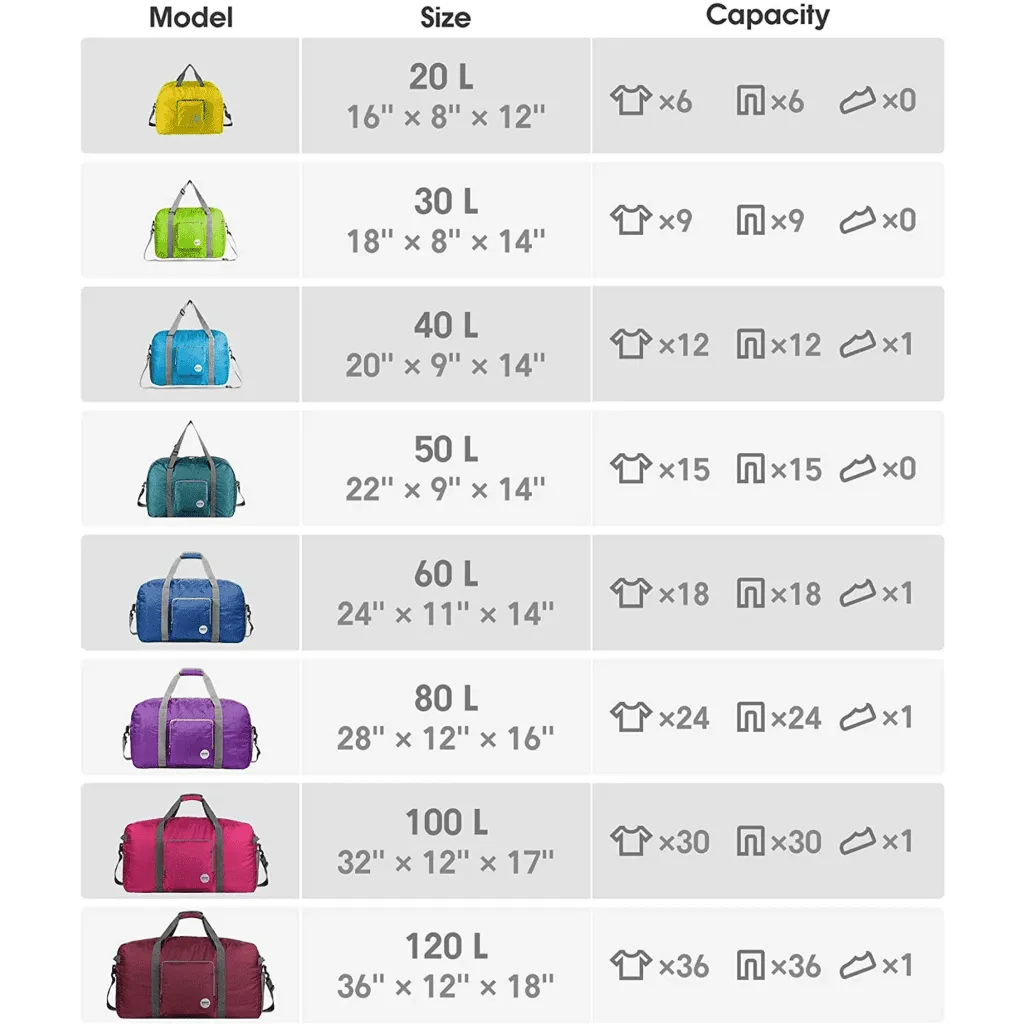
Duffel bag volume matters most when choosing the right size. Volume shows how much space the bag holds, measured in liters. It helps decide which duffel fits your needs for travel, gym, or daily use.
Smaller volumes suit short trips or light packing. Larger volumes work for longer trips or carrying bulky items. Knowing volume helps avoid overpacking or carrying too little.
Small Duffels
Small duffels usually hold 20 to 40 liters. They fit essentials for a day or gym workout. These bags are lightweight and easy to carry. Ideal for quick trips or as a personal item on flights.
Medium Duffels
Medium duffels range from 40 to 70 liters. They store enough clothes for 2 to 4 days. Perfect for weekend trips or gym plus extra gear. They balance size and capacity well.
Large Duffels
Large duffels hold over 70 liters of volume. Great for weeklong travel or bulky equipment. They offer more packing room but weigh more. Best for checked luggage or road trips where space is key.
Trip Duration And Bag Size
Choosing the right duffel bag size depends on your trip duration. The length of your travel affects how much you pack. Picking the correct size helps you stay organized and comfortable. Below are simple guidelines for different trip lengths.
Day Trips
For a day trip, a small duffel bag is best. Bags around 20 to 30 liters fit essentials easily. Pack light with a water bottle, snacks, and a change of clothes. Small bags are easy to carry and store.
Weekend Getaways
Weekend trips need medium-sized duffel bags. Choose bags between 40 and 60 liters. They hold clothes for two or three days plus toiletries. Medium bags balance space and portability well.
Extended Travel
Longer trips require larger duffel bags. Look for sizes above 70 liters to fit more items. These bags hold clothes for a week or more. Extra space helps pack shoes, jackets, and gear comfortably.
Carry-on Duffel Bags
Carry-on duffel bags offer a smart travel solution for quick trips and easy packing. They combine the lightness of soft luggage with the convenience of carry-on size. Travelers enjoy their flexibility and simple design. These bags fit in overhead compartments on planes, saving time at the airport.
Choosing the right carry-on duffel means knowing airline size limits and packing smart. The right bag can make travel less stressful and more efficient. Below are key points to consider when selecting and using carry-on duffels.
Airline Size Restrictions
Most airlines limit carry-on bags to 22 x 14 x 9 inches. This size fits most overhead bins comfortably. Some low-cost airlines have stricter rules, so check before flying. Soft duffel bags can be flexible, but the total dimensions should meet the limit. Overweight or oversized bags might need gate check or extra fees.
Packing Tips For Carry-ons
Pack light and only bring essentials. Roll clothes to save space and reduce wrinkles. Use packing cubes to organize items neatly. Place heavy items at the bottom to balance the bag. Keep liquids in a clear, resealable bag. Avoid overstuffing to close the zipper easily. Always leave a little room for souvenirs or extra items.
Best Carry-on Duffel Models
Look for durable materials like nylon or polyester for long-lasting use. Bags with multiple compartments help keep gear organized. Models with padded straps offer comfort during carry. Water-resistant duffels protect belongings from rain. Popular brands include Patagonia, The North Face, and Osprey. Choose a size around 40-45 liters for ideal carry-on capacity.
Material And Weight
The material and weight of a duffel bag play a key role in its size and usability. These factors affect how easy the bag is to carry and how much it can hold. Choosing the right material helps balance weight and durability. Lighter bags are easier to handle but may wear out faster. Heavier materials offer protection but add bulk. Understanding these details helps pick the best duffel bag size for your needs.
Soft-sided Vs Hard-sided
Soft-sided duffel bags use fabric like nylon or polyester. They are flexible and can fit into tight spaces. Soft-sided bags are usually lighter and easier to store. Hard-sided duffel bags have a rigid shell made from plastic or metal. They protect contents better from impacts and weather. Hard-sided bags are heavier but offer more structure and security.
Lightweight Options
Lightweight duffel bags often use thin but strong materials. Ripstop nylon is common for its light weight and tear resistance. Some bags use water-resistant coatings to keep them light yet durable. Lightweight bags reduce strain on your shoulders and arms. They are great for short trips and carry-on use. However, very light bags may lack extra padding or stiff frames.
Durability Factors
Durability depends on fabric strength and stitching quality. Heavy-duty canvas and ballistic nylon last longer under rough use. Reinforced seams and strong zippers improve bag life. Water resistance also protects bags from damage in rain or spills. Check for extra padding in high-wear areas like corners and handles. Durable bags may weigh more but save money by lasting longer.
Features To Consider
Choosing the right duffel bag means thinking about key features. These details affect how useful and comfortable your bag will be. Focus on compartments, straps, and weather resistance. These features help you pack better, carry easier, and protect your items.
Compartments And Pockets
Good duffel bags have several compartments and pockets. Separate sections keep items organized and easy to find. Small pockets hold keys, phones, and chargers. Large compartments fit clothes and shoes. Some bags include shoe compartments to keep dirt away from clothes.
Straps And Handles
Look for sturdy, comfortable straps and handles. Padded shoulder straps reduce strain during long carries. Adjustable straps let you customize the fit. Dual handles allow quick grabbing and easy lifting. Some bags offer backpack-style straps for hands-free carry.
Water Resistance And Weatherproofing
Water-resistant fabric protects your gear from rain and spills. Weatherproof zippers keep water out. Look for durable materials that dry quickly. This feature is important for outdoor use and unpredictable weather. It helps keep your belongings safe and dry.
Packing Strategies
Packing a duffel bag well makes your trip easier. Good strategies help fit more and keep things neat. This guide shares tips to pack smart and save space.
Maximizing Space
Roll clothes instead of folding to reduce wrinkles and save room. Use small items to fill gaps between bigger ones. Place heavier items at the bottom to keep balance. Layer clothes from thick to thin for better use of space.
Organizing Essentials
Keep important items like documents and chargers in a separate pouch. Pack shoes in bags to avoid dirt on clothes. Group similar items together to find them quickly. Use outside pockets for items you need fast access to.
Using Packing Cubes
Packing cubes divide your bag into sections, making it easier to find things. They compress clothes and help keep the bag tidy. Label cubes by item type for quick unpacking. Choose lightweight cubes to avoid adding weight.
Special Use Cases
Special use cases require duffel bags tailored for unique needs. Different activities demand specific sizes and features. Choosing the right duffel bag enhances convenience and comfort. Consider your activity to pick the perfect size and style.
Gym And Sports Duffels
Gym duffels need enough space for clothes, shoes, and gear. Medium-sized bags, around 30 to 50 liters, work well. Look for compartments to separate wet items or shoes. Lightweight and easy to carry bags improve your experience.
Camping And Outdoor Duffels
Outdoor duffels must hold bulky gear like tents and sleeping bags. Larger sizes, from 60 to 90 liters, suit camping trips. Durable, water-resistant materials protect your belongings. Extra straps help attach gear outside the bag.
Business Travel Duffels
Business duffels combine style with function for short trips. Compact bags between 30 and 40 liters fit essentials and a laptop. Organized compartments keep documents and devices safe. Choose sleek designs that match professional settings.



Frequently Asked Questions
How To Choose A Duffel Bag Size?
Choose a duffel bag size based on trip length and luggage needs. Consider volume in liters and airline carry-on limits. Select compact bags for short trips or gym use, larger ones for extended travel or checked luggage. Prioritize pockets and weight for convenience.
How Big Is A 55l Duffel?
A 55L duffel bag typically measures around 22-24 inches long, 11-13 inches wide, and 11-13 inches high. It holds enough for a weekend trip or gym gear.
What Does 40l Mean In A Duffel Bag?
A 40L duffel bag means it can hold 40 liters of volume. It suits short trips, gym use, or carry-on luggage.
Is A 50l Duffel Carry-on Size?
A 50L duffel bag may fit carry-on size limits for some airlines but often exceeds standard dimensions. Check airline rules before flying.
Conclusion
Choosing the right duffel bag size makes travel easier and more comfortable. Small bags suit quick trips or gym visits. Medium sizes work well for weekend getaways. Large duffels fit longer journeys or bulky gear. Consider airline rules before packing.
Think about how you carry your bag. Soft-sided bags offer more flexibility. Pockets and straps add convenience. Keep your needs in mind to pick the best size. A well-chosen duffel bag helps you stay organized and ready.
