

Difference between Leather and Faux Leather: Ultimate Guide Revealed Essential Features for Style & Durability-2026
Are you confused about choosing between leather and faux leather? You’re not alone.
Both materials look similar, but they have key differences that affect how they feel, last, and even how much you pay. Understanding these differences can help you make smarter choices for your clothes, furniture, or accessories. Keep reading to discover what sets leather and faux leather apart—and find out which one is the right fit for your style and budget.


Material Composition
The material composition plays a key role in understanding leather and faux leather. It defines their look, feel, and durability. Each type has a unique base that sets it apart from the other.
Natural Origin Of Leather
Leather comes from the skin of animals, mainly cows. It undergoes a tanning process to become soft and strong. This natural origin gives leather its unique texture and breathability. The grain and patterns vary, making each piece special.
Synthetic Makeup Of Faux Leather
Faux leather is made from man-made materials like plastic and fabric. It usually uses polyurethane or polyvinyl chloride as the main ingredient. This synthetic makeup mimics the look of real leather but is less breathable. It offers a consistent texture and color across products.


Appearance And Texture
The appearance and texture of leather and faux leather differ in many ways. These differences affect how each material looks and feels to the touch. Understanding these can help you choose the right option for your needs. Below, we explore the key features of both materials.
Grain Patterns And Finish
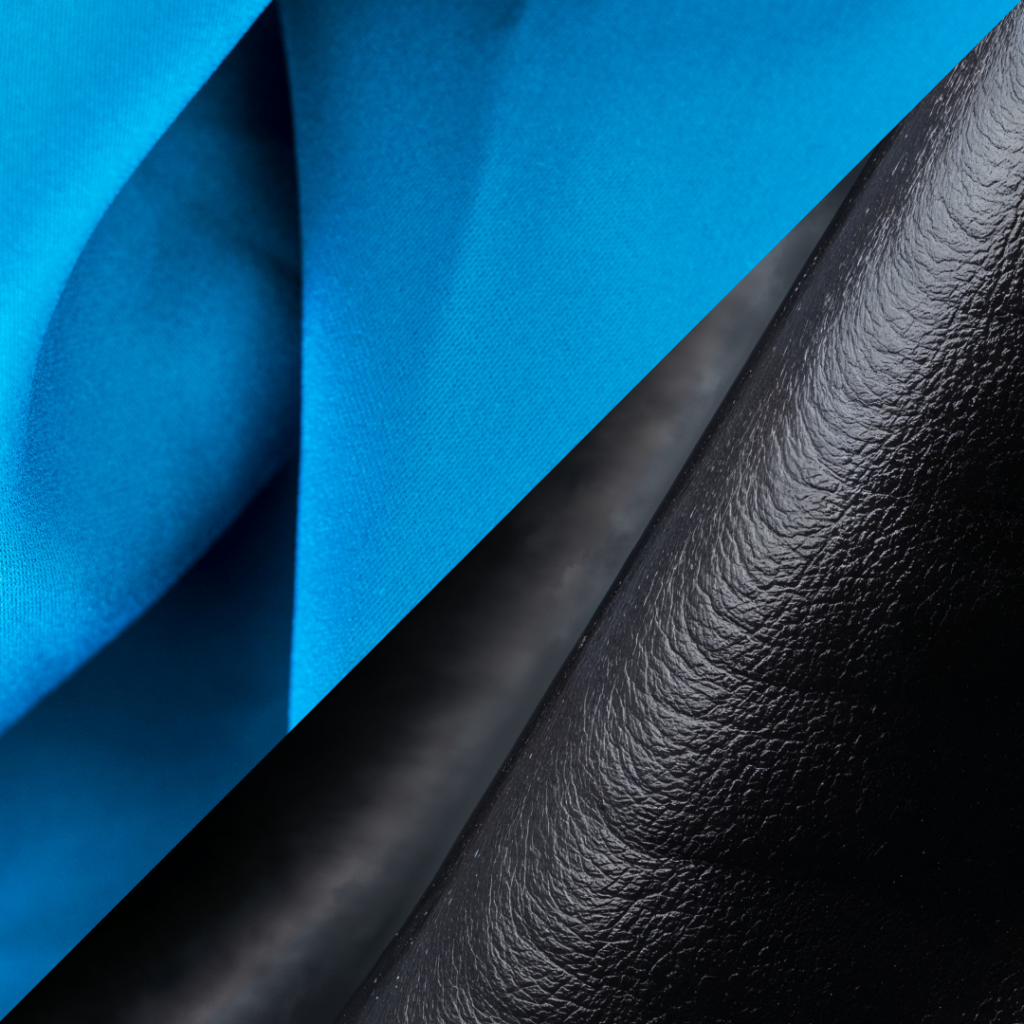
Leather has natural grain patterns. These patterns vary because they come from animal hides. Each piece of leather is unique with small imperfections. This gives genuine leather a rich and authentic look.
Faux leather often has a more uniform grain pattern. It is made to look like real leather but lacks natural variation. The finish on faux leather is usually smoother and more consistent. This can make it look less natural but more polished.
Surface Feel And Flexibility
Leather feels soft and warm to touch. It becomes more supple over time with use. Leather bends easily but keeps its shape well.
Faux leather feels cooler and sometimes plastic-like. It is usually stiffer at first. Some types of faux leather do not soften much with use. Flexibility varies depending on the quality of the faux leather.
Durability And Longevity
Durability and longevity are key factors in choosing between leather and faux leather. These qualities determine how long the material lasts and how well it handles daily use. Understanding these aspects helps make a smart purchase. Both materials differ in how they resist wear and age over time.
Wear And Tear Resistance
Genuine leather is strong and can handle rough use. It resists tears and scratches better than faux leather. Natural fibers in leather make it tough and flexible. Faux leather wears out faster. It can crack and peel after some use. This makes it less ideal for heavy daily use.
Maintenance And Aging
Leather improves with age. It develops a soft, rich patina that many find attractive. Proper care keeps leather soft and durable for years. Faux leather needs less maintenance but does not age well. It can lose its shine and become brittle. Cleaning faux leather is simple but does not improve its look over time.
Environmental Impact
The environmental impact of leather and faux leather affects our planet differently. Choosing between these materials involves thinking about resources and pollution. Both have pros and cons for the earth. Understanding these helps make better choices for a cleaner future.
Sustainability Of Leather Production
Leather comes from animal hides, mainly cows. Raising animals uses a lot of land and water. It also produces greenhouse gases, which harm the climate. Tanning leather involves chemicals that can pollute soil and water. Some tanneries use safer methods, but many still cause damage. Leather lasts long, reducing waste over time. Still, the initial environmental cost is high.
Eco-friendliness Of Faux Leather
Faux leather is made from plastic materials like PVC or polyurethane. Producing it uses less water and no animals. But it relies on fossil fuels, which add to pollution. Plastic can take hundreds of years to break down in landfills. Some newer faux leathers use plant-based materials, which are better for nature. Faux leather wears out faster, so it may need replacing sooner. This can create more waste overall.
Cost Comparison
Cost plays a big role when choosing between leather and faux leather. The price difference affects budgets and buying decisions. Understanding the reasons behind the costs helps make better choices.
Pricing Factors For Leather
Leather comes from animal hides. The process to clean and treat it is long and costly. High-quality leather uses skilled labor and special equipment. This raises the price. The type of animal and tanning method also affect cost. Natural leather can last many years, which adds value despite the price.
Affordability Of Faux Leather
Faux leather is made from synthetic materials. It costs less because factories produce it quickly. No animals or tanning are involved. This lowers the expense. Faux leather suits smaller budgets well. It offers a similar look to real leather at a fraction of the price. The shorter lifespan balances its low cost.
Ethical Considerations
Ethical considerations play a big role in choosing between leather and faux leather. Many people think about the impact on animals and the environment. These concerns affect buying decisions and personal values.
Animal Welfare Concerns
Leather comes from animal hides, mainly cows. The process involves raising and slaughtering animals. This raises questions about animal suffering and factory farming. Some animals may face poor living conditions. The leather industry often links to ethical debates on animal rights. Choosing real leather means supporting this system.
Vegan And Cruelty-free Options
Faux leather offers a vegan alternative. It does not use animal products or harm animals. Many faux leathers use synthetic materials like PVC or PU. These options appeal to those who want cruelty-free products. Vegan leather supports animal welfare by avoiding animal use. It provides a more ethical choice for many buyers.
Common Uses
Leather and faux leather both have many uses in daily life. Each material fits specific needs based on look, feel, and cost. Understanding their common uses helps to choose the right one for different products.
Applications For Leather
Leather is popular for items needing strength and durability. Shoes, belts, and wallets often use real leather. High-quality bags and jackets also feature genuine leather. Furniture like sofas and chairs benefit from leather’s comfort and long life. Leather ages well, gaining a unique look over time.
Popular Faux Leather Products
Faux leather suits fashion and budget needs. It appears in jackets and bags that look like real leather. Many shoes and boots use faux leather for easy care and style variety. Car seats and furniture often feature faux leather. This material resists stains and is easier to clean than real leather.

Care And Maintenance Tips
Proper care and maintenance keep leather and faux leather items looking good. Both materials need attention, but their care steps differ. Knowing the right way to clean and maintain each helps them last longer.
Cleaning Leather Items
Use a soft cloth to remove dust from leather. Clean stains quickly with a damp cloth. Avoid soaking leather in water. Use special leather cleaner for deep cleaning. Test any product on a small area first. Let leather air dry naturally, away from heat. Apply leather conditioner to keep it soft and prevent cracks.
Maintaining Faux Leather
Wipe faux leather with a damp cloth regularly. Use mild soap for tougher dirt. Avoid harsh chemicals that damage the surface. Dry with a soft towel after cleaning. Keep faux leather away from direct sunlight. This stops fading and cracking. Store items in cool, dry places to keep their shape.
Frequently Asked Questions
What Is The Main Difference Between Leather And Faux Leather?
Leather is made from animal hides, while faux leather is synthetic. Leather is natural, durable, and breathable. Faux leather is man-made, cheaper, and easier to maintain. Each has distinct textures, costs, and environmental impacts, making them suitable for different uses and preferences.
Which Is More Durable: Leather Or Faux Leather?
Leather is generally more durable than faux leather. It ages well and can last for years with proper care. Faux leather tends to crack and peel over time, especially with heavy use. However, quality faux leather can offer decent durability at a lower price.
Is Faux Leather Better For The Environment?
Faux leather often has a smaller animal impact but uses plastics, which harm the environment. Leather involves animal farming, which has its own ecological footprint. Both have pros and cons environmentally; faux leather offers a vegan option but may not biodegrade easily.
How Do Leather And Faux Leather Differ In Maintenance?
Leather requires regular cleaning and conditioning to prevent drying and cracking. Faux leather is easier to clean with just soap and water. Faux leather doesn’t need conditioning but may wear out faster. Maintenance depends on use and material quality.
Conclusion
Choosing between leather and faux leather depends on your needs. Leather offers durability and a natural look. Faux leather is usually cheaper and easier to clean. Each has its own feel and care routine. Think about budget, style, and how long you want it to last.
Both materials have pros and cons. Understanding these helps you make a smart choice. Now, you can pick the best option for your style and wallet. Simple and clear.