

Are you confused about whether to choose a backpack or a rucksack for your next trip or daily use? You’re not alone.
These two bags may look similar, but they serve different purposes and come with unique features that could make a big difference in your comfort and convenience. Understanding what sets a backpack apart from a rucksack will help you pick the right gear for your needs.
Keep reading to discover the key differences, so you can make a smart choice that fits your lifestyle perfectly.

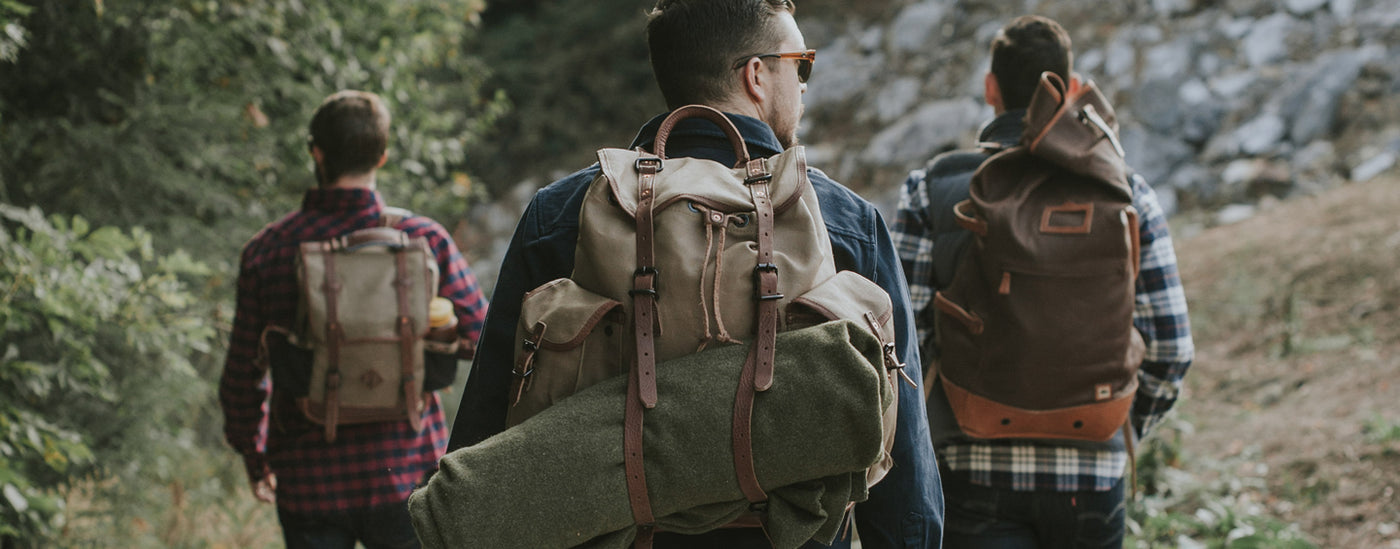
Backpack Basics
Backpacks are popular bags carried on the back. They help hold items while keeping hands free. People use backpacks for many tasks. Understanding their basics helps choose the right bag.
Common Uses
Backpacks suit school, work, and travel. Students carry books and laptops. Travelers pack clothes and essentials. Outdoor lovers use backpacks for hiking or camping. They keep belongings organized and easy to carry.
Design Features
Most backpacks have two shoulder straps for balance. Many include multiple compartments for better organization. Padded backs and straps add comfort. Some backpacks have water bottle holders or laptop sleeves. Designs vary to fit specific needs.
Material Variety
Backpacks come in many materials. Nylon and polyester are common for durability and water resistance. Canvas offers a classic, sturdy feel. Leather backpacks provide style but need more care. Material choice affects weight, weather resistance, and look.


Rucksack Essentials
The rucksack is a classic type of bag designed for tough use. It holds more gear than many backpacks. Understanding its essentials helps you see why it stands out.
Rucksacks come with features made for long trips and hard conditions. Each element focuses on strength, support, and durability. These details reflect its practical roots and purpose.
Military Origins
The rucksack started as military gear. Soldiers needed a strong bag to carry heavy equipment. It had to survive harsh environments and rough handling. This history shapes its design today.
Rugged Construction
Rucksacks are built with tough materials. Heavy canvas and reinforced stitching are common. These bags resist tears and wear. They often include metal hooks and strong zippers for extra durability.
Heavy Load Support
Rucksacks have padded straps and sturdy frames. These features help carry heavy loads comfortably. The design spreads weight evenly across the back. This support reduces strain during long hikes or marches.
Key Design Differences
The key design differences between a backpack and a rucksack shape their function and user experience. Each bag has unique features that suit different activities and preferences. Understanding these differences helps in choosing the right bag for your needs.
Closure Styles
Backpacks often use zippers for easy access and security. They allow quick opening and closing of the main compartment.
Rucksacks usually feature flap covers with buckle straps. This style provides extra protection from rain and rough handling.
Compartment Layout
Backpacks have multiple compartments and pockets. This layout helps organize small items like keys, phones, and notebooks.
Rucksacks tend to have one large main compartment. Some include smaller external pockets, but they focus on carrying bulkier gear.
Straps And Support
Backpacks typically have padded shoulder straps and sometimes a chest strap. This setup offers comfort for everyday use.
Rucksacks come with thicker, often adjustable straps and a waist belt. These features distribute weight better for heavy loads and long hikes.
Material And Durability
The choice between a backpack and a rucksack often depends on material and durability. These factors affect how long the bag lasts and how well it handles different conditions. Knowing the types of materials and construction can help you pick the right bag for your needs.
Canvas And Technical Fabrics
Rucksacks usually feature heavy-duty canvas. Canvas is thick and tough. It can handle rough use and heavy loads. Backpacks often use technical fabrics like nylon or polyester. These materials are lighter and dry quickly. Technical fabrics resist tears and abrasions better than canvas. Each material suits different activities and styles.
Weather Resistance
Rucksacks with canvas are not very water-resistant unless treated. They can soak through in rain. Backpacks made from technical fabrics often have built-in water resistance. Some come with waterproof coatings or liners. This keeps your belongings dry during bad weather. Weather resistance is key for outdoor adventures.
Reinforced Stitching
Durability depends on stitching quality. Rucksacks usually have reinforced stitching at stress points. This adds strength to straps and seams. Backpacks also use reinforced stitching but may add bar tacks or double stitching. Strong stitching prevents tears and breaks. It helps the bag last longer under heavy use.
Purpose And Use Cases
The purpose and use cases of backpacks and rucksacks differ based on design and function. Each bag suits specific needs and activities. Understanding these helps in choosing the right bag.
Some bags fit everyday use, while others handle tough outdoor conditions. Military and hiking uses demand durability and capacity. Let’s explore common scenarios for each type.
Everyday Carry
Backpacks excel for daily use in cities and schools. They are lightweight and often have multiple compartments. These bags carry laptops, books, and small items easily. Rucksacks tend to be bulkier and less common for casual daily use.
Outdoor Adventures
Rucksacks shine during hiking, camping, and trekking. They offer more space and rugged construction for heavy loads. Features like external straps and reinforced bottoms help carry gear securely. Backpacks designed for outdoor use are smaller and less robust than rucksacks.
Military And Hiking
Rucksacks are the preferred choice for military personnel and serious hikers. Their design supports carrying heavy equipment over long distances. Multiple compartments and durable materials add to their functionality. Backpacks in this category are usually lighter and less specialized.
Comfort And Fit
Comfort and fit play a key role in choosing between a backpack and a rucksack. A bag that fits well reduces strain and improves your overall experience. Both types have features designed to make carrying easier. Understanding these can help you pick the right bag for your needs.
Hip And Chest Belts
Hip belts transfer weight from your shoulders to your hips. This reduces shoulder fatigue and improves balance. Chest belts keep the shoulder straps in place. They prevent the bag from swinging side to side. Rucksacks often have stronger belts for heavy loads. Backpacks may have smaller belts or none at all.
Weight Distribution
Proper weight distribution is vital for comfort. Rucksacks usually have a frame that helps spread weight evenly. This frame supports heavy gear and keeps the load stable. Backpacks may not have a frame, so weight rests mostly on the shoulders. A well-packed rucksack feels lighter than a backpack of the same weight.
Adjustability
Adjustability ensures the bag fits your body shape. Both backpacks and rucksacks offer adjustable straps. You can change shoulder strap length and belt tightness. Rucksacks often include more adjustment points for a custom fit. This helps reduce pressure points and improves comfort on long trips.

Style And Aesthetics
Style and aesthetics play a big role in choosing between a backpack and a rucksack. Both serve the same basic function but differ in how they look and feel. These differences can affect your choice depending on your lifestyle and preferences. Style is not just about looks; it reflects the bag’s purpose and the environment it suits best.
Urban Vs Rugged Look
Backpacks usually have a sleek, modern design. They are perfect for city use, commuting, or school. Their shapes are often simple and clean, matching urban fashion trends. Rucksacks tend to have a rugged, outdoorsy look. They often feature leather straps and buckles. This style suits hiking, camping, or outdoor adventures. The rugged design shows durability and a connection to nature.
Color And Design Options
Backpacks come in many colors and patterns. Bright colors and bold designs are common. This variety appeals to younger users and those who want to express personality. Rucksacks often have earth tones like green, brown, and beige. Their designs focus more on function and classic style. These colors blend well with outdoor settings. Both offer choices, but the style signals different lifestyles.
Choosing Your Gear
Choosing the right gear makes a big difference in your outdoor experience. The right bag fits your activity, style, and comfort. It holds your items safely and keeps you moving freely. Consider your needs, budget, and quality before picking a backpack or rucksack.
Assessing Your Needs
Think about what you will carry. A backpack suits daily use and light loads. A rucksack fits better for hiking or heavy gear. Size matters. Check the bag’s compartments and straps. Comfort and support help during long walks. Match the bag to your activity and load.
Budget Considerations
Set a clear budget for your bag. Backpacks come in many price ranges. Rucksacks can be more costly due to their build and size. Balance price with features. Sometimes paying more means better durability and comfort. Avoid very cheap options that wear out fast.
Brand And Quality
Choose brands known for good quality. Reliable brands offer strong materials and smart design. Check reviews and customer feedback. Quality stitching and zippers last longer. A well-made bag protects your items and feels good to carry. Invest in a trusted brand for peace of mind.
Care And Maintenance
Proper care and maintenance keep your backpack or rucksack in top shape. Clean bags perform better and last longer. Regular attention prevents damage and keeps materials strong. Follow simple steps to maintain your bag’s look and function. This saves money and enhances your carrying experience.
Cleaning Tips
Empty the bag completely before cleaning. Use a soft brush to remove loose dirt. Spot clean with mild soap and water. Avoid harsh chemicals that can damage fabric. For deep cleaning, hand wash gently or use a gentle cycle in a washing machine. Air dry the bag away from direct sunlight. Do not use a dryer as it can warp materials.
Storage Advice
Store your bag in a cool, dry place. Avoid damp areas to prevent mold and mildew. Keep the bag loosely packed to maintain its shape. Do not hang heavy bags for long periods as straps may stretch. Use a dust cover or pillowcase to protect from dust. Avoid storing near sharp objects that can cause tears.
Longevity Boosters
Check zippers and seams regularly for wear. Repair small tears and loose threads quickly. Use waterproof sprays to protect fabric from moisture. Avoid overloading the bag beyond its capacity. Rotate between bags if you have more than one. Proper care extends your bag’s life and keeps it reliable.

Frequently Asked Questions
Why Do British People Say “rucksack”?
British people say “rucksack” because it refers to a larger, rugged bag with military origins. It suits hiking and heavy loads. The term comes from German, meaning “back sack. ” Brits use it more for traditional or outdoor bags, while “backpack” is common for everyday use.
What Are Backpacks Called In The Uk?
In the UK, backpacks are often called “rucksacks,” especially for larger, rugged bags. “Backpack” is also used for smaller, everyday bags. Both terms are common and understood.
Is A Rucksack Bigger Than A Backpack?
A rucksack is usually bigger and more rugged than a backpack. It suits hiking or heavy loads. Backpacks are smaller, for everyday urban use.
Do Americans Say Rucksack Or Backpack?
Americans usually say “backpack” for everyday bags. They use “rucksack” mainly in military or hiking contexts.
Conclusion
Choosing between a backpack and a rucksack depends on your needs. Backpacks suit daily use and light loads well. Rucksacks work better for hiking and carrying heavy gear. Each has unique features and styles to consider. Think about comfort, size, and purpose before deciding.
Both bags offer convenience and durability in different ways. Pick the one that fits your lifestyle best. This way, you carry your essentials with ease and confidence.