

You’ve probably used a plastic bag without a second thought. But have you ever stopped to consider the real impact of that simple choice?
Switching to reusable shopping bags isn’t just a trendy move—it’s a powerful way to protect your environment, save money, and make your shopping trips easier. Imagine carrying more, wasting less, and knowing you’re helping reduce pollution every single time you shop.
Ready to discover why reusable bags truly have the upper hand over plastic ones? Keep reading, and you’ll see how this small change can make a big difference for you and the planet.


Environmental Impact
Choosing reusable shopping bags over plastic ones greatly benefits the environment. These bags help reduce pollution and waste. They also save natural resources and cut down harmful emissions. Using them supports a cleaner and healthier planet for everyone.
Landfill Waste Reduction
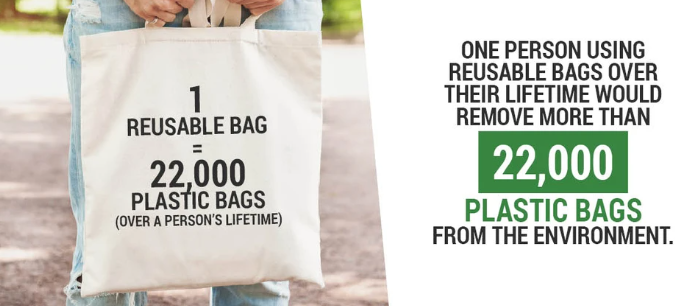
Plastic bags take hundreds of years to break down. They pile up in landfills and create lasting waste problems. Reusable bags last for years and replace many plastic bags. This lowers the total amount of trash sent to landfills. Less landfill waste means less soil and water pollution.
Resource Conservation
Plastic bags use oil and gas during production. These are non-renewable resources. Reusable bags need fewer raw materials over time because of their durability. Choosing reusable bags helps save these precious resources. It reduces the demand for fossil fuels and protects natural habitats.
Carbon Footprint Decrease
Making plastic bags releases greenhouse gases that warm the planet. Reusable bags require more energy at first but reduce emissions with repeated use. Each reuse lowers their carbon footprint compared to single-use plastic bags. Using reusable bags helps fight climate change by cutting carbon pollution.
Durability And Strength
Reusable shopping bags stand out for their durability and strength compared to plastic bags. Their solid build allows them to handle heavy loads and resist damage. This makes them practical for repeated use and reduces waste.
Tear Resistance
Reusable bags use thick fabrics or woven materials. These materials resist tears and rips better than thin plastic. Even sharp or heavy items cause less damage to reusable bags. This tear resistance means bags last longer and save money over time.
Higher Carrying Capacity
Strong materials in reusable bags support more weight. They can carry heavy groceries without stretching or breaking. This higher capacity reduces the need for multiple bags. Shoppers enjoy convenience and fewer trips to the car.
Cost Savings
Saving money is a big reason to choose reusable shopping bags over plastic ones. These bags help cut costs in many ways. You spend less over time, even if reusable bags cost more at first. It is a smart choice for your wallet and the planet.
Avoiding Plastic Bag Fees
Many stores charge fees for plastic bags. These small fees add up quickly. Using reusable bags means no extra charges at checkout. This simple step can save you money every shopping trip. It also encourages less waste and fewer plastic bags used overall.
Long-term Financial Benefits
Reusable bags last for years with proper care. This durability means fewer bags to buy repeatedly. Over time, you spend less on bags than buying plastic bags each visit. Stronger bags carry more items safely, avoiding damage or spills that waste your groceries. Investing once in reusable bags pays off in many ways.
Versatility And Convenience
Reusable shopping bags offer great versatility and convenience that plastic bags lack. They adapt easily to many needs and situations. Their sturdy design and materials let you carry heavy or bulky items without worry. These bags fold compactly, making them easy to store and carry everywhere. This flexibility suits a busy lifestyle and reduces the need for multiple types of bags.
Multiple Uses
Reusable bags serve many purposes beyond groceries. Use them for carrying books, gym clothes, or picnic supplies. Their strong handles and durable fabric handle weight well. Some bags even have insulated compartments for cold items. Washing and reusing is simple, keeping them fresh and clean. This makes reusable bags practical for everyday use and special tasks alike.
Suitable For Various Activities
These bags fit well with different activities and locations. Take them to the farmers market, beach, or office. Their different sizes and styles match each activity’s needs. They can be a tote, a shopping bag, or a storage bag at home. Their comfort and strength make them easy to carry all day. This versatility helps reduce reliance on plastic bags in many situations.
Material Choices
Choosing the right material for reusable shopping bags matters a lot. Different fabrics offer unique benefits. These choices affect durability, environmental impact, and user experience. Knowing about materials helps you pick bags that last and reduce waste effectively.
Recycled And Durable Fabrics
Many reusable bags are made from recycled materials like plastic bottles. This process reduces waste and saves resources. These fabrics are strong and last longer than single-use plastic bags. They resist tearing and carry heavy items with ease. Using recycled fabrics helps lower pollution and landfill waste.
Durability means fewer bags thrown away. Reusable bags made from recycled fabrics can be used hundreds of times. This reduces the demand for new plastic production. Such bags balance strength with eco-friendliness, making them a smart choice for shoppers.
Biodegradable Options
Biodegradable bags break down naturally in the environment. They come from plant-based materials like cotton, jute, or hemp. These fibers decompose faster than synthetic plastics. Choosing biodegradable bags helps reduce long-term pollution.
These bags are strong enough for daily use but return to nature after disposal. They do not leave harmful microplastics behind. Biodegradable options offer a cleaner, greener alternative to traditional plastic bags.
Reusing For Maximum Benefit
Reusing shopping bags maximizes their environmental benefits. Each time you reuse a bag, you reduce the need for new bags. This lowers waste and pollution. It also saves resources used in making plastic bags. The more you reuse, the greater the positive impact on the planet.
Usage Frequency Importance
How often you reuse a bag matters a lot. A single-use plastic bag causes harm every time it is thrown away. Reusable bags require more energy to make. To balance that, they must be used many times. Using a reusable bag at least 20 to 50 times can offset its production impact. Frequent reuse makes it an eco-friendly choice.
Offsetting Production Impact
Making reusable bags needs more materials and energy than plastic ones. This initial impact is higher but temporary. Over time, repeated use lowers the overall harm. Each reuse spreads out the energy and resources spent. This reduces the carbon footprint per shopping trip. Using bags made from recycled or durable materials also helps lower production impact.
Wildlife Protection
Wildlife faces great danger from plastic pollution. Animals often mistake plastic bags for food or get tangled in them. This causes injury, suffocation, and death. Reusable shopping bags help protect wildlife by reducing plastic waste in natural habitats. Using reusable bags lowers the chance of harm to animals on land and in water. Below are two key ways reusable bags support wildlife protection.
Reducing Litter
Plastic bags are a common form of litter. They scatter easily in parks, streets, and forests. Animals can eat plastic pieces or get trapped inside. Reusable bags cut down on this litter because they are used many times. Fewer plastic bags mean less trash in animal homes. This keeps environments cleaner and safer for wildlife.
Preventing Ocean Pollution
Oceans suffer greatly from plastic bag pollution. Sea turtles, fish, and birds often swallow plastic debris by mistake. It blocks their digestive systems and causes death. Reusable bags reduce the number of plastic bags that reach oceans. This helps keep marine life safe and supports healthier ocean ecosystems.


Frequently Asked Questions
Why Are Reusable Bags Better Than Plastic Bags?
Reusable bags reduce landfill waste, pollution, and fossil fuel use. They are stronger, cost-effective, and protect wildlife better than plastic bags. Consistent reuse maximizes their environmental benefits.
What Are 5 Benefits Of Reusable Bags?
Reusable bags reduce landfill waste and pollution. They conserve fossil fuels and lower carbon emissions. They carry more and last longer. Using them saves money over time. They help protect wildlife by reducing litter.
What Are The Advantages Of A Cloth Bag Over A Plastic Bag During Shopping?
Cloth bags reduce landfill waste and pollution by replacing single-use plastics. They are stronger, carry more, and save money long-term. Reusing cloth bags conserves resources and lowers carbon footprint, benefiting wildlife and the environment.
Which One Is Better, Using A Plastic Bag Or Bringing A Reusable Bag?
Bringing reusable bags reduces plastic waste, saves resources, lowers pollution, and lasts longer. They protect wildlife and save money over time. Choose reusable bags for a sustainable, eco-friendly shopping habit.
Conclusion
Choosing reusable shopping bags helps protect the environment every day. They reduce plastic waste that litters streets and oceans. These bags save money by lasting longer than plastic ones. They carry more items without breaking or tearing. Using reusable bags lowers pollution and conserves natural resources.
The key is to use them often to make a real difference. Small changes in shopping habits add up to big benefits. Protect nature, save money, and enjoy stronger bags. Simple steps can lead to a cleaner, greener future.
