

Have you ever wondered how your travels can help protect the places you love to visit? Sustainable tourism is the key to making sure your adventures don’t harm the environment or local communities.
By choosing smarter ways to explore, you can enjoy amazing experiences while leaving a positive impact behind. This guide will show you exactly what sustainable tourism means and how you can become a traveler who cares. Ready to discover how your next trip can make a difference?
Keep reading to learn more.


Principles Of Sustainable Tourism
Sustainable tourism is about travel that respects nature, culture, and local communities. It aims to protect destinations for future visitors. The principles guide how tourism can grow without harm. They focus on three main areas: environment, people, and economy.
Environmental Protection
Protecting nature is key in sustainable tourism. Travelers and businesses reduce waste and pollution. They use resources like water and energy carefully. Wildlife and natural habitats receive special care. This helps keep the planet healthy and beautiful.
Community Involvement
Local people play a big role in tourism success. Their culture and traditions should be respected. They get a say in tourism planning and decisions. Jobs and training opportunities support the community. This builds pride and keeps culture alive.
Economic Benefits
Sustainable tourism supports local economies fairly. It creates steady jobs and income for locals. Money stays in the community, not just big companies. Small businesses like shops and guides grow. This helps reduce poverty and improves living standards.
Choosing Eco-friendly Destinations
Choosing eco-friendly destinations helps protect the planet and supports local communities. These places focus on preserving nature and culture while offering visitors a chance to enjoy responsible travel. Picking the right destination makes your trip both meaningful and fun.
Protected Natural Areas
Protected natural areas include national parks and wildlife reserves. These places keep ecosystems safe from harm and allow animals to live freely. Visiting these areas encourages conservation and helps fund their protection. Respecting rules in protected zones reduces human impact.
Local Culture And Traditions
Eco-friendly destinations celebrate local culture and traditions. Travelers can learn about customs, crafts, and foods unique to the region. Supporting local artisans and businesses helps preserve traditions and boosts the economy. Experiencing culture respectfully creates a deeper connection to the place.
Sustainable Accommodation Options
Sustainable accommodations use eco-friendly practices like solar power and water saving. Many lodges and hotels recycle waste and reduce plastic use. Choosing these places lowers your carbon footprint during travel. They often work closely with local communities to protect the environment.
Responsible Travel Practices
Responsible travel practices help protect the places we love to visit. They make sure tourism does not harm the environment or local people. Travelers can enjoy their trips and leave positive effects behind. Small actions add up to big changes for our planet and its cultures.
Minimizing Waste And Pollution
Travelers should reduce waste by carrying reusable bottles and bags. Avoid single-use plastics that harm oceans and animals. Dispose of trash properly and recycle when possible. Choose eco-friendly transportation like walking, biking, or public transit. These steps keep nature clean and air fresh.
Respecting Wildlife And Habitats
Observe animals from a distance without disturbing them. Do not feed wildlife or remove plants and rocks. Stay on marked trails to protect fragile habitats. Respect local rules and guidelines in parks and reserves. This care helps keep ecosystems balanced and animals safe.
Supporting Local Businesses
Buy goods and services from local shops and markets. Eat at family-owned restaurants to enjoy authentic flavors. Choose local guides for tours and experiences. This support boosts the economy and preserves traditions. It creates jobs and helps communities thrive.

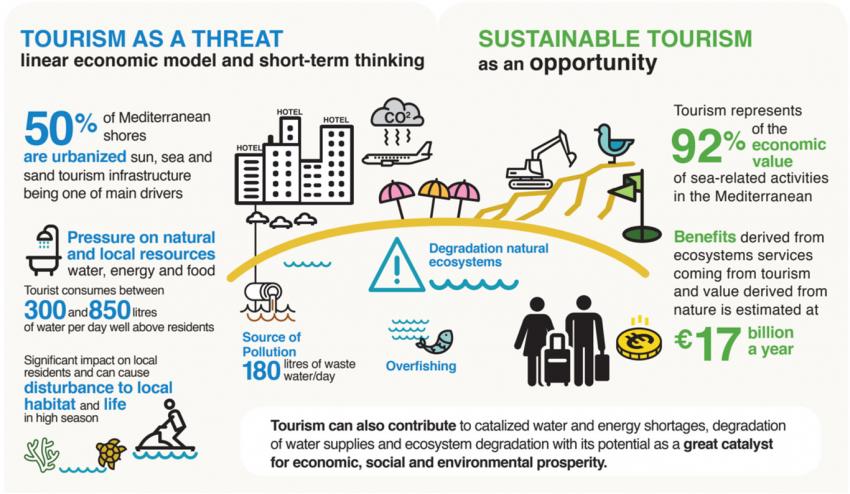
Impact Of Sustainable Tourism
Sustainable tourism affects places and people in many positive ways. It helps protect the environment and supports local communities. This kind of tourism encourages respect for nature and culture. It also creates benefits that last for a long time. Understanding these impacts shows why sustainable tourism matters today.
Preserving Natural Resources
Sustainable tourism focuses on saving natural resources. It reduces waste and pollution at popular spots. Tourists learn to respect wildlife and plants. Protected areas stay healthy and beautiful for future visitors. This careful use of resources keeps ecosystems balanced and strong.
Enhancing Local Livelihoods
Sustainable tourism creates jobs for local people. It supports small businesses like shops and guides. Money earned stays in the community. This helps families improve their lives and build better futures. Local cultures and traditions also gain value and pride.
Promoting Cultural Exchange
Tourists and locals share stories and ideas. This exchange broadens understanding and respect. Visitors experience new ways of life and traditions. Locals feel proud to show their culture. This connection builds friendships and lasting memories.
Tips For Eco Travelers
Traveling with care for the planet helps protect nature and local cultures. Eco travelers make smart choices to reduce harm. Small changes make a big difference. Here are simple tips to travel greener and kinder.
Packing Green
Choose reusable items like water bottles and bags. Avoid single-use plastics that harm the environment. Pack clothes made from natural fibers that last longer. Bring travel-size toiletries in refillable containers. Keep luggage light to save fuel during transport.
Using Public Transport
Public transport cuts down pollution and traffic. Use buses, trains, or bikes to explore destinations. Walking is best for short distances and feels great. Plan routes to save time and energy. Support local transit systems to help communities thrive.
Engaging In Volunteer Opportunities
Volunteering helps protect nature and supports locals. Join clean-up events or plant trees. Teach skills or help in community projects. Choose trusted programs that respect local needs. Volunteering creates meaningful travel memories and positive impact.
Future Trends In Sustainable Travel
The future of sustainable travel is bright and full of change. New ideas and actions aim to protect nature and cultures. Travelers, businesses, and governments all play a role. They work together to make travel better for the planet and people. Let’s explore some key trends shaping sustainable tourism.
Technology And Innovation
Technology helps reduce travel’s impact on nature. Electric vehicles and cleaner planes cut pollution. Apps guide tourists to eco-friendly places and services. Smart tools track energy and water use in hotels. Innovation makes it easier to choose green travel options.
Policy And Global Initiatives
Countries join forces to create rules for sustainable tourism. These policies protect wildlife and cultural heritage. Governments offer incentives for eco-friendly businesses. International agreements encourage responsible travel habits. Policies help make sustainability a shared goal worldwide.
Growing Traveler Awareness
More travelers care about the environment and local communities. They seek authentic experiences that do not harm places visited. Tourists choose responsible companies and reduce waste. Education spreads the importance of sustainable travel habits. Awareness drives demand for greener options in tourism.


Frequently Asked Questions
What Is Sustainable Tourism And Why Is It Important?
Sustainable tourism minimizes environmental impact while supporting local communities. It preserves natural resources and cultural heritage. This approach ensures tourism benefits future generations. It promotes responsible travel choices that protect destinations and foster economic growth.
How Can Travelers Practice Sustainable Tourism Effectively?
Travelers can reduce waste, respect local cultures, and choose eco-friendly accommodations. Supporting local businesses and using public transport also helps. Planning trips that prioritize conservation and community welfare makes tourism more sustainable and rewarding.
What Are The Key Benefits Of Sustainable Tourism?
Sustainable tourism protects ecosystems and wildlife habitats. It boosts local economies and preserves cultural traditions. It encourages responsible behavior among tourists and businesses. This approach fosters long-term destination viability and enriches visitor experiences.
Which Destinations Are Best For Sustainable Tourism?
Look for places with strong conservation policies and eco-friendly infrastructure. Destinations promoting community involvement and cultural preservation are ideal. Many countries now offer certified sustainable tourism options, ensuring responsible travel experiences.
Conclusion
Sustainable tourism helps protect nature and local cultures. It supports communities and keeps places beautiful. Travelers can enjoy new experiences while caring for the earth. Small actions make a big difference in preserving destinations. Everyone benefits from thoughtful and responsible travel choices.
Choose to travel in ways that respect people and places. This approach ensures future generations will enjoy these wonders too. Sustainable tourism is not just a trend. It is a way to keep travel meaningful and kind.