

You love exploring new places, and tasting street food is one of the best ways to experience local culture. But have you ever worried about whether the food is safe to eat?
One bad meal can quickly turn your trip into a nightmare. What if you could enjoy every bite without the fear of getting sick? You’ll discover simple, practical tips to keep your street food adventures safe and delicious. Keep reading to protect your health and make the most of your travel experience!


Choosing Safe Street Food
Choosing safe street food is key to enjoying local flavors without health risks. Street food offers unique tastes, but safety should come first. Simple checks can help avoid stomach problems and keep your trip fun.
Look For Busy Stalls
Choose street food stalls with many customers. Busy stalls often mean fresh food and good taste. Crowds suggest food turnover is fast, reducing risk of stale or spoiled items. Locals usually prefer safe, tasty options.
Observe Food Preparation
Watch how the food is prepared before buying. Fresh cooking lowers chances of contamination. Avoid stalls where food sits out too long. Clean cooking tools and gloves are positive signs.
Check For Cleanliness
Clean surroundings are crucial for safe street food. Look at the vendor’s hands, utensils, and cooking area. Trash nearby or dirty surfaces can spread germs. A clean stall means the vendor cares about hygiene.

Hygiene Practices To Follow
Staying clean is key to enjoying street food safely. Germs spread easily in crowded markets and food stalls. Simple hygiene steps protect your health. Follow these easy habits to reduce risks and enjoy tasty meals worry-free.
Wash Hands Regularly
Wash hands with soap and water before eating. Clean hands stop germs from reaching your mouth. Use water from clean sources only. Avoid washing hands with dirty or questionable water. Carry a small towel or tissues for drying.
Use Hand Sanitizer
Carry a hand sanitizer with at least 60% alcohol. Use it when handwashing is not possible. Apply enough sanitizer to cover all hand surfaces. Rub hands until dry for best effect. It kills most germs quickly and easily.
Avoid Touching Face
Keep hands away from your eyes, nose, and mouth. Germs enter your body through these areas. Resist the urge to scratch or rub your face. Clean hands do not guarantee safety if you touch your face often. Stay mindful to protect yourself.
Foods To Avoid
Street food is exciting, but some foods carry higher risks. Avoiding certain items helps keep your stomach safe. Be careful with foods that may carry germs or are not cooked well. This guide points out the main foods to avoid for a safer street food experience.
Raw Or Undercooked Items
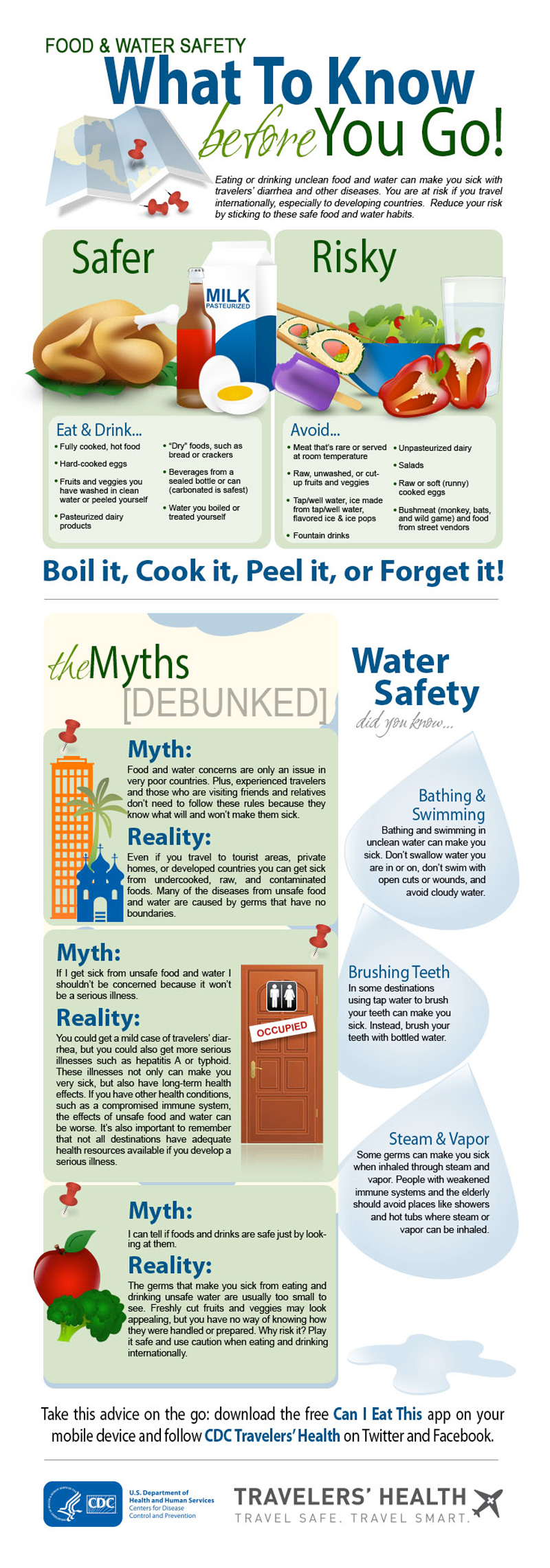
Raw or undercooked foods can contain harmful bacteria. Avoid raw meat, seafood, or eggs. These items may not be stored or handled properly. Eating them can cause food poisoning. Choose cooked foods served hot instead.
Unpeeled Fruits And Vegetables
Unpeeled fruits and vegetables can have dirty surfaces. Street vendors may not wash them well. Eating these can spread germs and cause illness. Pick fruits you can peel yourself. Or buy fruits that are washed and cut fresh.
Street Ice And Drinks
Ice made from tap water can carry germs. Many street drinks use this ice. Drinking such beverages can lead to stomach problems. Ask if the ice is from clean water. Opt for bottled drinks or beverages without ice.
Safe Eating Habits
Safe eating habits are key to enjoying street food without health risks. Simple choices can keep your meals tasty and safe. Pay attention to how food is prepared and served. This helps avoid stomach problems and keeps you feeling good during your travels.
Eat Hot And Fresh Food
Choose street food that is cooked hot in front of you. Hot food kills harmful germs and bacteria. Avoid food that sits out for a long time. Fresh food is less likely to cause illness. Watch vendors prepare your meal to check cleanliness.
Carry Your Own Utensils
Bring your own fork, spoon, or chopsticks. Public utensils may not be clean. Using your own reduces risk of germs. Pack lightweight, reusable utensils in your bag. It is a small step that protects your health.
Drink Bottled Water
Tap water can carry germs in many places. Drink only sealed bottled water to stay safe. Avoid ice in drinks unless sure of its source. Use bottled water to brush teeth too. This habit helps prevent stomach problems abroad.
Dealing With Foodborne Illness
Eating street food can be a fun way to taste local flavors. Sometimes, food may cause illness. Knowing how to handle foodborne illness helps you stay safe and enjoy your trip.
Recognize Symptoms Early
Watch for stomach pain, nausea, or diarrhea. Fever and vomiting may also appear. Spotting these signs early helps you act fast. Avoid eating more street food until you feel better.
Stay Hydrated
Drink plenty of clean water to replace lost fluids. Dehydration can make you feel weak and tired. Use oral rehydration solutions if diarrhea is severe. Avoid sugary or caffeinated drinks as they may worsen dehydration.
Seek Medical Help When Needed
See a doctor if symptoms last more than two days. Blood in stool or high fever needs urgent care. Medical help can prevent serious health problems. Carry basic medicine for stomach issues during travel.

Packing Travel Health Essentials
Packing travel health essentials is a smart step for every traveler. It helps avoid common illnesses from street food. Being prepared saves time and stress during your trip. Carrying the right items keeps you safe and ready for any health issues.
First Aid Kit Items
A basic first aid kit is a must-have. Include band-aids, antiseptic wipes, and gauze pads. Add pain relievers like ibuprofen or acetaminophen. Carry allergy medicine if you have known allergies. A small thermometer helps check for fever. These items help treat minor injuries quickly.
Probiotics And Medications
Probiotics support your gut health and digestion. They can reduce stomach issues after eating street food. Pack them in pill or powder form. Bring any prescription medicines you need. Also, carry medicine for upset stomach or diarrhea. These help you feel better fast.
Water Purification Tools
Clean water is vital to avoid illness. Carry water purification tablets or drops. Portable water filters are another good choice. They remove harmful bacteria and parasites. Use these tools before drinking tap or street vendor water. Staying hydrated with safe water prevents many health problems.
Frequently Asked Questions
What Are Essential Street Food Safety Tips For Travelers?
Always eat from busy vendors with high turnover. Check food hygiene and avoid raw or undercooked items. Wash or sanitize hands before eating. Carry bottled water and avoid ice from unknown sources. These steps reduce risks of foodborne illnesses effectively.
How Can Travelers Identify Clean Street Food Vendors?
Look for vendors who maintain clean cooking areas and wear gloves. Observe if they use fresh ingredients and cover their food properly. High customer traffic usually indicates good quality and safety. Trust your instincts and avoid stalls with poor hygiene.
Is It Safe To Eat Street Food In Foreign Countries?
Yes, but caution is necessary. Choose vendors with good reputations and safe food handling. Avoid raw dishes and drink sealed beverages. Following these tips helps minimize health risks and lets you enjoy local flavors safely.
What Foods Should Travelers Avoid From Street Vendors?
Avoid raw seafood, undercooked meats, and unpeeled fruits. Skip ice cubes or drinks with unknown water sources. These items have higher contamination risks. Opt for cooked, hot food served fresh to ensure safety and hygiene.
Conclusion
Street food offers a taste of local culture and fun. Choose stalls that look clean and busy. Always check how food is cooked and served. Drink bottled water to avoid stomach problems. Trust your senses—smell, sight, and touch matter. Staying safe lets you enjoy every bite worry-free.
Remember, good food and good health go hand in hand. Travel smart, eat well, and make great memories.