

Have you ever noticed your child struggling to carry a heavy school bag? That weight can do more harm than you might think.
Choosing a lightweight school bag isn’t just about convenience—it plays a big role in your child’s health. Imagine your child walking to school without back pain, fatigue, or poor posture. Wouldn’t that give you peace of mind? You’ll discover why a lightweight school bag is a smart choice for your child’s well-being and how it can make a real difference every day.
Keep reading to learn how you can protect your child’s health with a simple change.


Impact Of Heavy Bags On Children
Heavy school bags affect children’s health in many ways. Carrying too much weight causes problems that may last for years. Children’s bodies are still growing and need care to avoid damage.
Heavy bags put extra pressure on the spine and muscles. This strain can lead to pain and bad posture. It also makes children tired and less active. Understanding these effects helps parents choose lighter bags for their kids.
Back Pain And Posture Issues
Heavy bags pull children’s bodies backward. This causes them to lean forward to balance. Such posture strains the back muscles and spine. Over time, this leads to chronic back pain. Poor posture may also cause a curved spine. Children may develop a hunch or uneven shoulders. These problems affect confidence and daily activities.
Physical Strain And Fatigue
Carrying a heavy bag tires children quickly. Their muscles work harder than needed. This physical strain reduces energy for school and play. Fatigue lowers concentration and learning ability. Tired children may avoid physical activities. Lack of exercise harms overall health and growth.
Long-term Health Risks
Heavy bags cause more than temporary pain. Continuous strain can damage the spine permanently. This risk increases if children carry bags daily. Long-term issues include scoliosis or slipped discs. These conditions require medical treatment and limit mobility. Early prevention with lighter bags protects children’s health.

Advantages Of Lightweight School Bags
Choosing a lightweight school bag offers many benefits for children’s health and daily comfort. These bags reduce the burden children carry every day. They help protect young bodies from strain and pain. Lightweight bags make school routines easier and safer.
Reduced Physical Stress
Heavy bags put extra pressure on children’s backs and shoulders. Lightweight bags lower this stress significantly. This reduces muscle fatigue and pain. Children feel less tired after carrying their bags. It helps prevent long-term health problems.
Improved Posture And Comfort
Heavy bags often cause poor posture in children. Lightweight bags encourage a natural, upright stance. This supports spine health and avoids slouching. Comfortable straps and balanced weight make carrying easier. Kids enjoy walking and moving without discomfort.
Enhanced Mobility And Ease
Light bags improve children’s ability to move quickly and freely. They can run, climb stairs, and play without struggle. It makes school activities more enjoyable and safe. Easy-to-carry bags help children stay active throughout the day.
Choosing The Right Lightweight Bag
Choosing the right lightweight school bag helps protect your child’s health. A good bag reduces strain on their back and shoulders. It also makes carrying books and supplies easier and safer. Consider several factors to find the best bag for your child’s needs.
Materials And Durability
Pick bags made from strong, lightweight materials. Nylon and polyester are popular choices. These materials resist tearing and last longer. A durable bag means fewer replacements and better protection for belongings. Look for water-resistant fabrics to keep contents dry.
Ergonomic Design Features
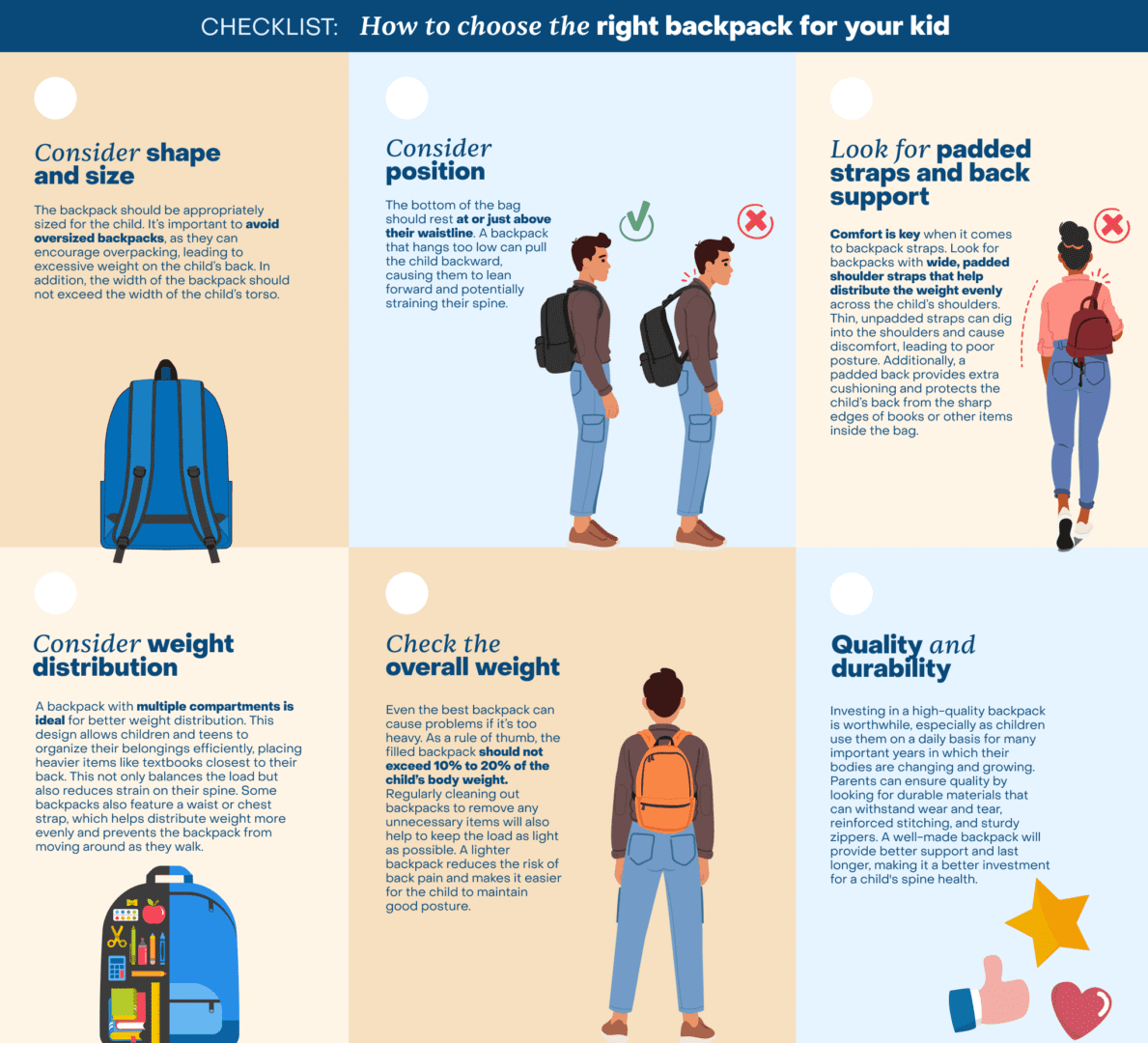
Ergonomic bags support your child’s posture and comfort. Wide, padded shoulder straps spread the weight evenly. A padded back panel adds extra comfort and protects the spine. Adjustable straps ensure the bag fits well and stays close to the body.
Size And Weight Considerations
Choose a bag size that fits your child’s body and daily needs. Too big or too small bags can cause discomfort. The bag itself should be light before adding books. Keep the total weight under 10-15% of the child’s body weight.
Packing Tips For Healthy Carrying
Packing a school bag properly helps protect a child’s health. A well-packed bag reduces strain on their back and shoulders. It also makes carrying easier and safer. Simple packing tips can make a big difference. These tips focus on organizing, avoiding heavy loads, and balancing weight.
Organizing Essentials Efficiently
Place the heaviest items close to the back. Use compartments to separate books, lunchboxes, and stationery. Keep daily essentials in easy-to-reach pockets. This helps avoid digging and shifting weight while carrying. A neat bag feels lighter and more comfortable.
Avoiding Overpacking
Only pack what is needed for the day. Remove old papers and extra books regularly. Avoid carrying too many gadgets or toys. Overpacking makes the bag heavier and harms posture. A lighter bag helps children walk and move easily.
Balancing Weight Distribution
Evenly spread the weight on both shoulders. Use both shoulder straps instead of one. Adjust straps to fit snugly but comfortably. A balanced load prevents muscle strain and pain. Proper weight distribution supports healthy posture and movement.

Encouraging Healthy Habits
Encouraging healthy habits around school bags helps protect a child’s health. Light bags reduce strain on the back and shoulders. Teaching kids good habits early makes carrying easier and safer. Parents and teachers play key roles in guiding these habits.
Simple routines and awareness improve posture and comfort. Children learn to care for their bags and their bodies. This support leads to better health and school performance.
Regular Bag Weight Checks
Check the bag weight often to keep it light. Heavy bags cause pain and poor posture. Remove unneeded items daily. Set a weight limit based on the child’s size. Regular checks help avoid carrying too much.
Promoting Proper Carrying Techniques
Teach kids to use both shoulder straps evenly. Carrying bags on one side strains muscles. Adjust straps so the bag fits close to the back. Avoid letting the bag hang low. Proper carrying supports the spine and reduces fatigue.
Involving Children In Bag Maintenance
Let children organize and clean their bags regularly. This habit keeps bags lighter and neat. Kids learn responsibility and care for their belongings. Involvement makes them aware of the bag’s weight and condition. It helps prevent damage and discomfort.


Additional Wellness Tips For Children
Keeping children healthy goes beyond choosing a lightweight school bag. There are simple steps that support their overall wellness. These tips help protect their backs and boost energy throughout the school day. Small changes make a big difference in their daily comfort and health.
Strengthening Exercises For Back Health
Strong muscles support a child’s spine. Simple exercises like planks, bridges, and gentle stretches build back strength. These activities improve posture and reduce pain risks. Encourage children to do these exercises regularly for better back health.
Importance Of Breaks And Movement
Resting the body is as important as staying active. Short breaks during study time help reduce tension in muscles. Moving around every hour prevents stiffness and improves focus. Encourage kids to stand, stretch, or walk briefly to stay refreshed.
Nutrition And Hydration For Energy
Healthy food fuels a child’s body and mind. Balanced meals with fruits, vegetables, and proteins keep energy steady. Drinking enough water prevents tiredness and helps concentration. Teach children to eat well and drink water throughout the day.
Frequently Asked Questions
Why Are Lightweight School Bags Better For Children?
Lightweight school bags reduce strain on children’s backs and shoulders. They help prevent posture problems and muscle pain. Carrying less weight supports healthy spine growth and reduces fatigue during school hours.
How Do Lightweight Bags Improve Child Posture?
Lightweight bags minimize pressure on the spine. This helps children maintain an upright posture. Proper posture prevents back pain and long-term spinal issues as children grow.
Can Lightweight Bags Prevent School-related Injuries?
Yes, lightweight bags lower the risk of injuries like muscle strain and joint pain. They make it easier for children to carry their belongings safely. This reduces falls and accidents caused by heavy backpacks.
What Features Make A School Bag Lightweight And Healthy?
Lightweight bags use durable, light materials like nylon or polyester. They have padded straps and ergonomic designs to distribute weight evenly. Adjustable straps and multiple compartments also enhance comfort and health.
Conclusion
Choosing lightweight school bags helps protect children’s health daily. These bags reduce strain on backs and shoulders. Kids can carry books and supplies more comfortably. Less weight means fewer chances of pain or injury. Parents and teachers should encourage lighter bags for students.
Small changes make a big difference in children’s well-being. Healthy habits start with simple choices like bag weight. Keeping bags light supports better posture and growth. Safe, easy carrying helps children focus on learning. A lightweight school bag is a smart choice for every child.