

How to Store Bags Properly: Expert Tips for Long-Lasting Care -2026
Are you tired of your bags losing shape, getting damaged, or cluttering your space? How you store your bags can make all the difference in keeping them looking fresh and lasting longer.
Imagine opening your closet and instantly finding your favorite bag in perfect condition, ready to use. You’ll discover simple, effective tips to store your bags properly—saving you time, money, and frustration. Keep reading, and learn how a few easy changes can protect your bags and keep them looking brand new.
Choose The Right Storage Spot
Choosing the right storage spot is key to keeping bags in good shape. A proper place protects bags from damage and helps them last longer. It also keeps them clean and ready to use. Small changes in where you store bags can make a big difference.
Avoid Direct Sunlight
Sunlight can fade and weaken bag materials. Colors may change, and leather can dry out. Store bags in shaded areas or inside closets away from windows. This keeps bags looking fresh and new for a long time.
Control Humidity Levels
Too much moisture can cause mold and bad smells. Too little moisture can dry out leather and fabrics. Keep bags in places with moderate humidity. Use silica gel packs or dehumidifiers to control moisture. This protects bags from damage and keeps them healthy.
Keep Away From Heat Sources
Heat can warp and crack bag materials. Avoid storing bags near heaters, radiators, or ovens. Choose cool, stable spots instead. This helps bags keep their shape and quality over time.
Clean Bags Before Storing
Cleaning bags before storing them helps keep them in good shape. Dirt, dust, and stains can damage the material over time. Proper cleaning also prevents bad smells and mold. Taking time to clean your bags makes them last longer and look fresh.
Remove Dirt And Dust
Start by removing loose dirt and dust from your bag. Use a soft brush or cloth to wipe the surface gently. For fabric bags, a lint roller works well. Clean both outside and inside to avoid buildup. This step prevents dirt from settling deep into the material.
Treat Stains Appropriately
Check your bag for any stains before storing. Use a mild soap or stain remover suited for the bag’s material. Dab the stain gently with a clean cloth. Avoid rubbing hard to stop damage. Let the bag dry completely before putting it away.
Condition Leather Bags
Leather bags need special care before storage. Apply a leather conditioner to keep the material soft. Use a small amount on a cloth and rub it in gently. Conditioning prevents cracks and drying out. Store leather bags in a cool, dry place after conditioning.
Use Suitable Storage Materials
Using the right storage materials helps protect your bags from dust, moisture, and damage. Good materials keep bags fresh and in shape. They also prevent stains and fading.
Select Breathable Dust Covers
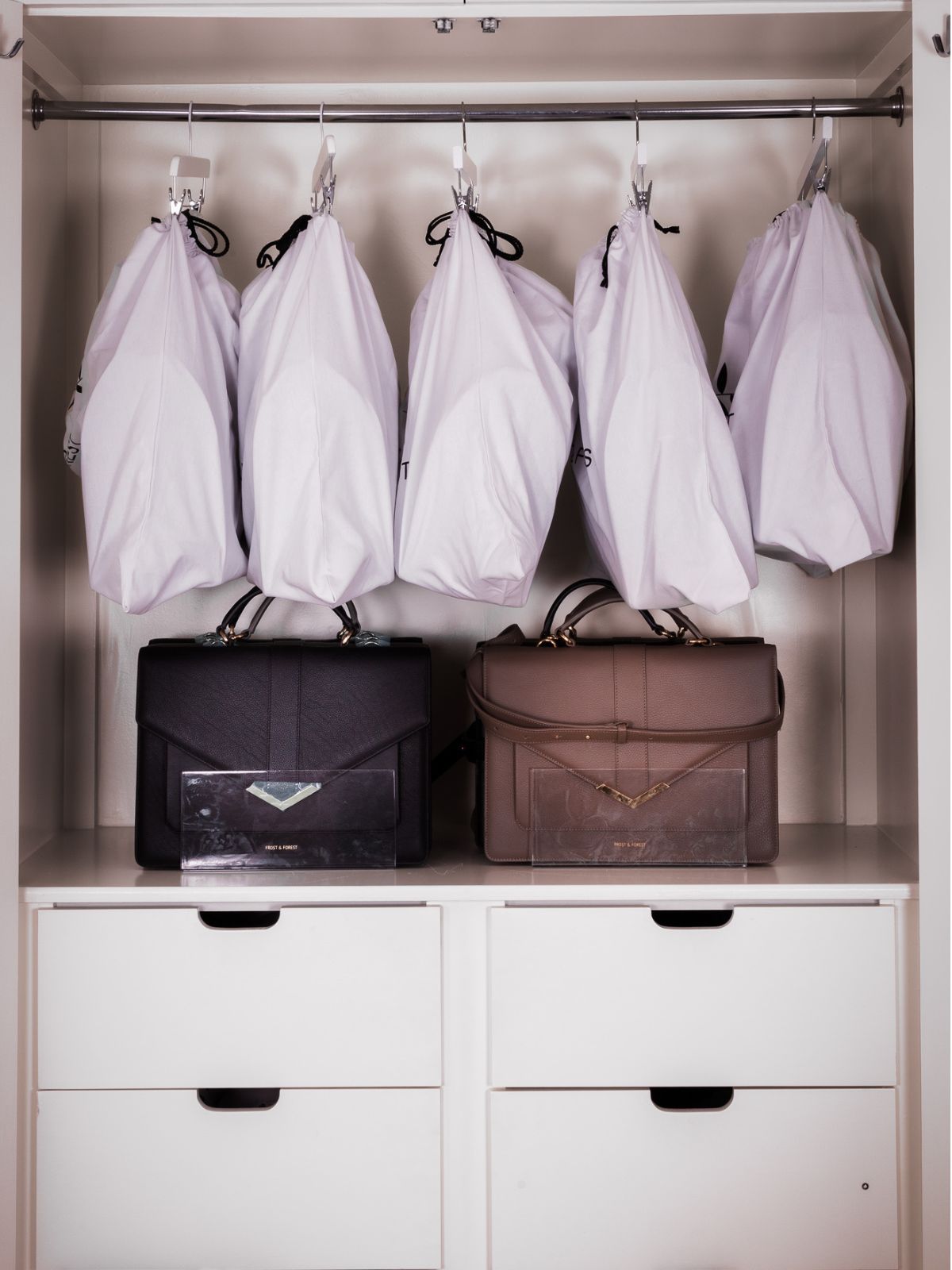
Choose dust covers made from natural fabrics like cotton. These covers let air flow around your bags. Air circulation stops moisture build-up and mold growth. Avoid covers that trap heat or moisture inside.
Avoid Plastic Bags
Plastic bags trap moisture and cause mildew. They can also leave marks on your bags. Use plastic only for short-term protection. Long-term storage needs materials that breathe and allow air exchange.
Use Acid-free Tissue Paper
Wrap your bags in acid-free tissue paper to keep their shape. This paper prevents color changes and material damage. Avoid regular paper or newspaper, which can stain or weaken bags over time.

Maintain Bag Shape
Maintaining the shape of your bags helps them last longer and look new. Proper storage prevents wrinkles and creases. It also keeps the bag’s structure firm and neat. Follow simple steps to keep your bags in great form.
Stuff Bags With Soft Materials
Fill your bags with soft items like tissue paper or cloth. Avoid using newspaper as ink may transfer. Soft materials support the bag’s walls gently. This helps the bag keep its original shape. Do this before storing to avoid dents or folds.
Avoid Overfilling
Never pack bags too full during storage. Overfilling stretches the material and spoils the shape. It can cause the bag to bulge or lose form. Keep the filling light and balanced inside. This keeps the bag sturdy and smooth.
Use Bag Shapers
Bag shapers are tools made for keeping bags firm. They fit inside to hold the shape steady. Use shapers especially for soft or slouchy bags. They stop the bag from sagging or collapsing. Bag shapers are a smart way to protect your bags.
Organize Bags Efficiently
Organizing bags efficiently saves space and keeps your collection easy to access. A neat system prevents damage and helps find the right bag fast. Simple steps can make a big difference in your storage routine.
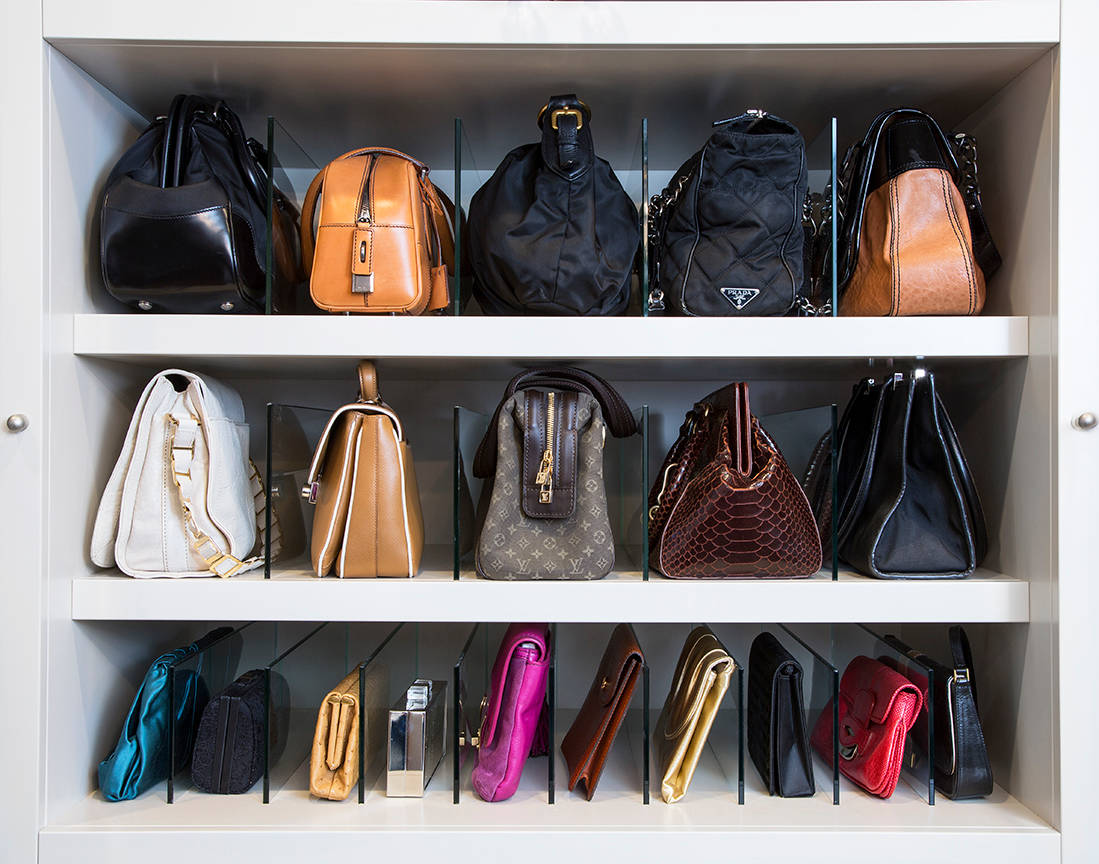
Store Upright Or Flat
Store bags upright to keep their shape. Taller bags stand well on shelves or in closets. Flat storage works best for soft bags. Lay them down gently to avoid wrinkles.
Choose the method that fits your space. Upright storage saves room and looks tidy. Flat storage suits bags that can fold without damage.
Separate By Type And Size
Group bags by type, like totes, clutches, or backpacks. This keeps similar items together and easy to find. Sort bags by size within each group. Large bags go in one area, small bags in another.
Separation helps protect delicate bags from scratches. It also speeds up your morning routine. Grab the right bag without digging through a pile.
Utilize Shelves And Hooks
Use shelves to display bags neatly. Open shelves let you see all bags at once. Hooks work well for hanging straps or handles. Hanging keeps bags off the floor and prevents damage.
Arrange shelves by height to fit different bag sizes. Install hooks inside closets or on walls. This creates extra space and keeps bags visible.

:max_bytes(150000):strip_icc()/289254413_973432143399061_2602306601894312668_n-81034359c4964d13a16d19c5260664f2.jpg)
Regularly Inspect And Rotate
Regularly inspecting and rotating your bags helps keep them in great shape. This practice prevents damage and extends their life. Small issues become easier to fix when spotted early. Rotating use also stops any one bag from wearing out too fast.
Check For Damage Or Mold
Look closely at bags for tears, loose threads, or broken parts. Check inside and outside carefully. Mold can grow if bags stay damp too long. Spot mold early to clean and stop it from spreading. Catching problems early saves your bags from serious damage.
Air Out Bags Periodically
Open bags and let fresh air inside. This helps remove odors and moisture. Dry bags prevent mold and mildew. Store bags in a dry place with some air flow. Airing them out keeps materials fresh and strong.
Rotate Usage To Prevent Wear
Use different bags often to avoid heavy wear on one. Rotating bags spreads out use evenly. This avoids weak spots and keeps all bags looking good. Changing bags regularly also gives you style variety every day.
Special Care For Different Materials
Different bag materials need special care to keep them in good shape. Each type reacts differently to light, moisture, and storage methods. Knowing how to store bags made from leather, fabric, or suede helps them last longer. Proper care keeps their look fresh and prevents damage.
Handle Leather With Care
Leather bags need a dry, cool place for storage. Avoid direct sunlight to stop fading and drying. Use a breathable dust bag or a cotton pillowcase to cover them. Stuff the bag with soft paper to keep its shape. Clean leather with a damp cloth and a small amount of gentle cleaner. Do not use water or harsh chemicals on leather.
Protect Fabric And Canvas
Fabric and canvas bags should stay clean and dry. Store them in a cool, dark place to avoid mold and stains. Use a dust bag or a pillowcase to protect from dust. Avoid folding fabric bags to prevent creases. Spot clean with mild soap and water. Let the bag air dry completely before storing.
Store Suede Properly
Suede is delicate and needs extra care. Keep suede bags away from water and moisture. Store them in a breathable bag to avoid mold. Use a suede brush to remove dirt before storing. Do not use water or leather cleaner on suede. Keep suede bags in a cool, dry place with good air circulation.

Frequently Asked Questions
How Do I Keep Bags From Losing Shape?
Store bags stuffed with tissue paper or bubble wrap. This helps maintain their structure and prevents creases or dents. Avoid overstuffing to prevent stretching. Use dust bags or pillowcases to protect from dust and sunlight.
What Is The Best Place To Store Bags?
Keep bags in a cool, dry place away from direct sunlight. Avoid humid areas to prevent mold and mildew. Use shelves or hooks to avoid squashing. Proper ventilation helps keep bags fresh and odor-free.
Can I Store Bags In Plastic Bags?
Avoid storing bags in plastic bags long-term. Plastic traps moisture, leading to mold and damage. Use breathable fabric dust bags instead. If plastic is necessary, add silica gel packets to absorb moisture.
How Should I Clean Bags Before Storing?
Wipe bags with a soft, dry cloth to remove dust. For leather, use a leather conditioner to keep it supple. Empty all pockets and check for stains. Clean bags prevent dirt buildup during storage.
Conclusion
Proper bag storage keeps your items safe and lasts longer. Use clean, dry spaces to avoid damage. Stuff bags with paper to keep their shape. Store bags separately to stop scratches and stains. Regular care helps bags look new and fresh.
Small steps make a big difference in bag care. Follow these tips to protect your favorite bags daily. Easy habits save money and keep bags ready to use. Simple storage makes a neat and organized space too.