

Buying leather items can be confusing. Many products say they are leather. But not all leather is real. Some are fake or made from plastic. So, how can you tell if leather is genuine? This guide will help you understand how to check leather. You will learn simple tests and tips. These tips work well even if you are not an expert.
What is Genuine Leather?
Genuine leather comes from animal skins. It is natural and strong. It feels soft and lasts a long time. Fake leather, also called faux leather, is made from plastic or other materials. It looks like leather but does not feel the same. Knowing the difference helps you buy better products.
Why is it Important to Know?
Real leather is more expensive. It lasts longer and looks better as it ages. Fake leather may crack or peel after some use. You want to get your money’s worth. Knowing how to spot real leather helps you avoid bad buys.
Easy Ways to Identify Genuine Leather
1. Touch And Feel
Real leather feels soft and warm. When you press it, it wrinkles a bit. It can stretch slightly. The surface is not perfectly smooth. You can feel small bumps or grains. Fake leather feels cold and stiff. It feels like plastic. When you press fake leather, it does not wrinkle. It feels flat and hard.
2. Smell The Leather
Real leather has a special smell. It smells earthy, woody, or like fresh leather. Fake leather smells like plastic or chemicals. This smell is easy to notice if you bring the item close to your nose. If it smells like glue or paint, it is probably fake.
3. Look At The Surface
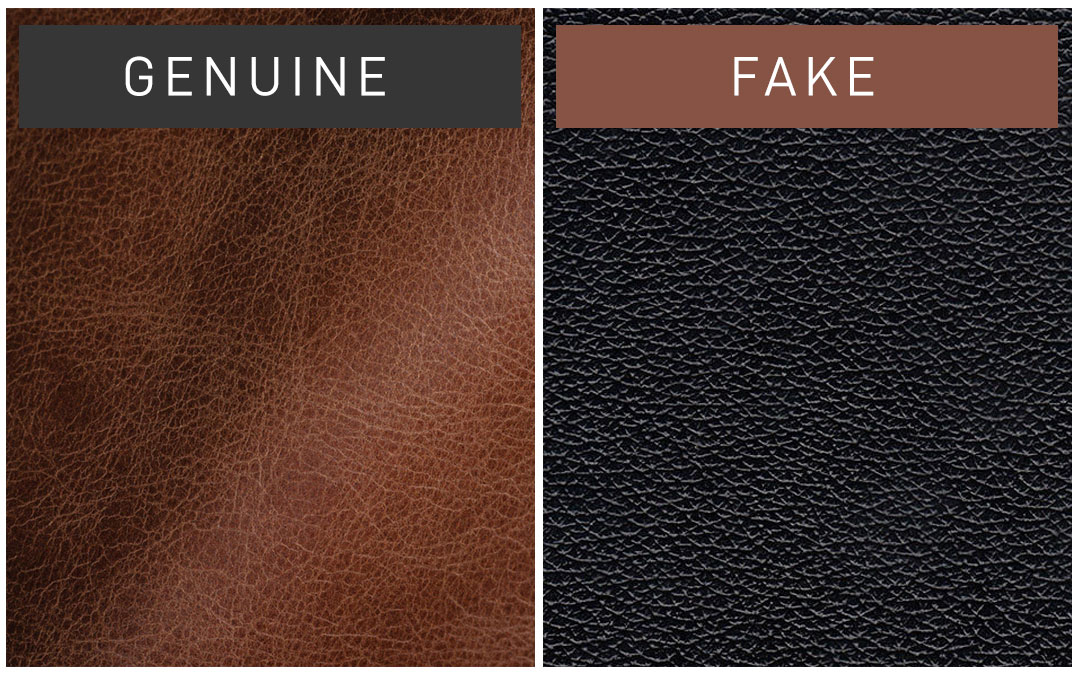
Real leather has small natural marks. You may see tiny pores, scars, or lines. These are from the animal skin. The grain looks uneven or imperfect. Fake leather often has a perfect pattern. It looks the same everywhere. The surface is too smooth or shiny.
4. Check The Edges
Look at the cut edges of the leather piece. Real leather has rough, fibrous edges. You can see tiny fibers sticking out. Fake leather edges are smooth and clean. They look like plastic or fabric.
5. Water Test
Put a small drop of water on the leather. Real leather absorbs the water slowly. The spot will darken and soak in. Fake leather does not absorb water. The drop will stay on top and roll off. This test is quick and easy to try.
6. Look At The Backside
Turn the leather item over. The back of real leather looks like suede or flesh. It is soft and fuzzy. Fake leather usually has a fabric backing. This fabric can be nylon or cotton. It looks like cloth.
7. Check The Label
Read the label or tag on the item. Genuine leather may say “full grain leather,” “top grain leather,” or just “leather.” Be careful with the term “genuine leather.” It can mean split leather, which is lower quality. If the label says “synthetic,” “vegan leather,” or “leatherette,” it is fake.
Summary Table: Real Leather vs Fake Leather
| Test | Real Leather | Fake Leather |
|---|---|---|
| Touch & Feel | Soft, warm, wrinkles slightly | Cold, stiff, no wrinkles |
| Smell | Earthy, woody, leathery | Plastic or chemical smell |
| Surface | Natural pores, imperfect grain | Perfect, smooth, repeating pattern |
| Edges | Rough, fibrous | Smooth, clean |
| Water Test | Absorbs water slowly | Water beads and rolls off |
| Backside | Fuzzy suede-like look | Fabric backing |
| Label | Leather, full grain, top grain | Synthetic, vegan, leatherette |


Things to Avoid When Buying Leather
- Too Low Price: Real leather is not cheap. If price is very low, it may be fake.
- Vague Labels: Labels that just say “genuine leather” can be tricky. They may mean lower quality leather.
- No Return Policy: Buy from stores that allow returns. You can test the product at home.
- Only Look at Pictures: If buying online, ask for close pictures. Ask about smell and feel.
Why Does Leather Have Imperfections?
Real leather comes from animals. Each animal’s skin is unique. It has small scars, marks, or holes. These make leather look natural. Fake leather is made by machines. It tries to copy leather but looks too perfect. So, imperfections are a good sign.

How to Care for Genuine Leather
Caring for leather keeps it strong and nice. Use a soft cloth to clean it. Avoid water or harsh chemicals. Use leather conditioner to keep it soft. Store leather in a cool, dry place. Avoid direct sunlight for long times. Good care makes leather last many years.
Frequently Asked Questions
How Can You Tell Real Leather?
Real leather has natural grain, an earthy smell, and wrinkles when pressed. It absorbs water and has rough, fibrous edges. Faux leather feels cold, smells like plastic, repels water, and has smooth, uniform edges. Check the backing—real leather looks suede-like; fake leather has fabric.
What Is The Symbol For Genuine Leather?
The symbol for genuine leather is a stylized hide shape or an animal hide outline. It indicates real animal leather material.
Is Genuine Leather Always Stamped?
Genuine leather is not always stamped. Some real leather products have stamps, but many rely on natural grain and texture. Stamping helps identify quality but is not mandatory for authenticity. Always check texture, smell, and edges to confirm genuine leather.
What Qualifies As Genuine Leather?
Genuine leather has natural, uneven grain, a distinct earthy smell, and feels soft and flexible. It wrinkles when pressed. Edges appear fibrous and rough. It absorbs water and shows suede-like backing. Labels stating “synthetic” or “vegan leather” indicate fake leather.
Conclusion
Knowing how to identify genuine leather helps you buy better. Use simple tests like touch, smell, and the water test. Look closely at the surface and edges. Check the label and price. Remember, real leather has natural marks and smells good. Fake leather looks too perfect and feels like plastic. With these tips, you can shop with more confidence.