

Mold on your leather bag isn’t just unsightly—it can damage your favorite accessory if left untreated. But before you rush to use harsh chemicals, there’s a better way to tackle this problem.
You can clean mold off your leather bag naturally, safely, and effectively, protecting both your bag and your health. In this guide, you’ll discover simple steps using common household ingredients to restore your leather’s beauty without risking harm. Keep reading, and learn how to bring your leather bag back to life with natural, easy-to-follow cleaning methods you can trust.

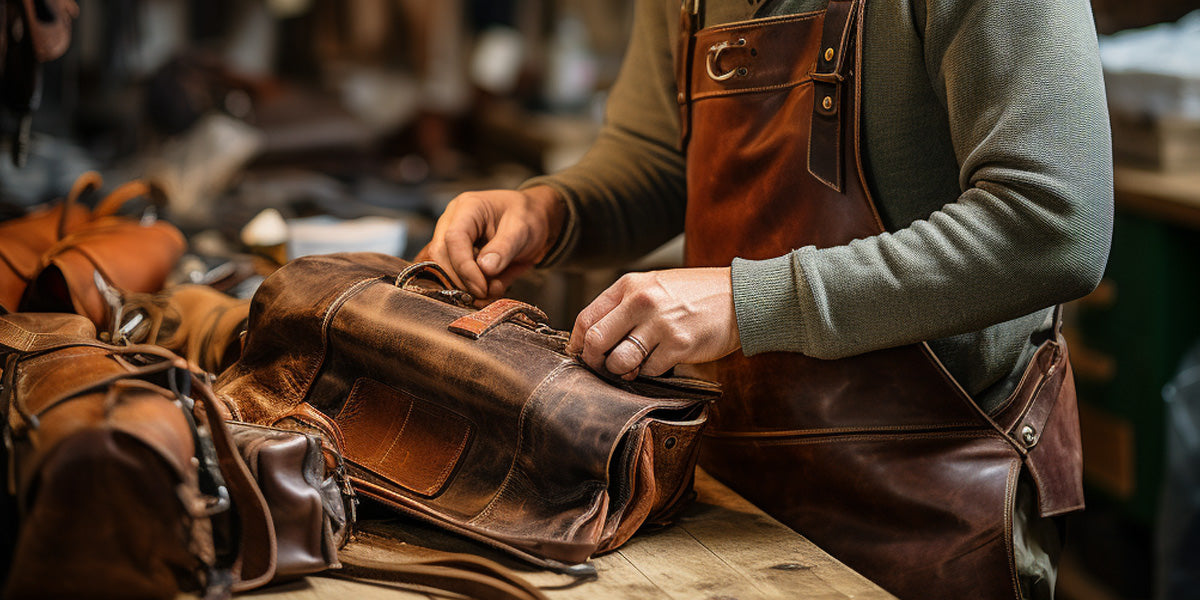
Supplies Needed
Gathering the right supplies makes cleaning mold off leather bags easier and safer. Use natural items that protect leather’s texture and color. Avoid harsh chemicals that can damage the material. Below are the key supplies you need to start the cleaning process at home.
White Vinegar
White vinegar is a natural mold killer. It removes mold spores without harsh chemicals. Mix it with water for a gentle cleaning solution. Vinegar also helps stop mold from returning. Always test on a small area first to check for color changes.
Rubbing Alcohol
Rubbing alcohol disinfects and dries mold quickly. It evaporates fast, reducing moisture on leather. Mix it with water to avoid drying out the bag. Use it carefully to clean mold spots and prevent stains.
Soft Brush And Cloth
A soft brush removes loose mold spores without scratching leather. Use gentle strokes to avoid damage. A clean cloth helps wipe the solution and dry the bag. Choose materials that are soft and absorbent for best results.
Leather Conditioner
Leather conditioner restores moisture after cleaning. It keeps leather soft and flexible. Conditioning prevents cracking and fading. Apply a small amount evenly once the bag is dry. This step extends the life of your leather bag.

Prepare The Bag
Preparing your leather bag is the first step to clean mold naturally. This step helps stop mold spores from spreading inside your home. It also protects your skin and lungs from mold exposure.
Proper preparation makes the cleaning process easier and safer. Follow simple actions to get your bag ready for mold removal.
Take Bag Outside
Take your leather bag outside before cleaning. Fresh air helps prevent mold spores from spreading indoors. Working outdoors reduces the risk of mold affecting your living space.
Choose a dry, well-ventilated area with no strong wind. This keeps mold spores from blowing into your eyes or mouth. Lay the bag on a clean surface to start cleaning.
Brush Off Loose Mold
Use a soft brush to remove loose mold from the bag’s surface. Brush gently to avoid damaging the leather. This step removes the bulk of mold spores safely.
Brush over the entire moldy area carefully. Dispose of the brush contents away from your home. This prevents mold spores from returning inside.
Mix Cleaning Solution
Mixing the right cleaning solution is key to removing mold from leather bags safely. The solution must be gentle yet effective. It should kill mold spores without damaging the leather. Two natural mixtures work well and are easy to prepare at home. Use clean water and common household ingredients. Always test the solution on a small, hidden area first. This prevents unexpected damage or discoloration.
Equal Parts Vinegar And Water
Use white vinegar mixed with water in equal parts. Vinegar kills mold and stops it from returning. It also cleans without harsh chemicals. Pour half a cup of white vinegar into a bowl. Add half a cup of clean water. Stir gently to mix. Dip a soft cloth in the solution and wring it out well. Wipe the moldy areas carefully. Avoid soaking the leather. Let the bag air dry after cleaning.
Alternative: Rubbing Alcohol And Water
Rubbing alcohol is another natural cleaner that fights mold. Mix it with water in equal amounts. Combine half a cup of rubbing alcohol with half a cup of water. Stir to blend. Use a soft cloth dipped in this solution. Wring out excess liquid before wiping the bag. This mix evaporates quickly and helps dry the leather. Air dry the bag fully before use or conditioning.
Test Cleaning Solution
Testing your cleaning solution before applying it to the entire leather bag is essential. This step prevents damage and ensures the leather stays in good condition. A small test helps spot any negative reactions like color change or texture damage. Always take time to test first for safe, natural mold cleaning.
Apply To Hidden Spot
Choose a small, hidden area on your leather bag. This could be inside a pocket or under a flap. Use a cotton swab or soft cloth to apply a small amount of your cleaning solution. Dab gently to avoid soaking the leather. Let it sit for 10 to 15 minutes to observe any effects.
Check For Discoloration
After waiting, check the tested spot for any color change. Look for fading, darkening, or patchiness. Also, feel the leather for stiffness or roughness. If the leather looks and feels normal, the solution is safe to use. If you see discoloration or damage, try a milder solution or different method.
Remove Mold
Removing mold from leather bags requires care to avoid damage. Start by targeting the affected areas gently. Use natural materials to clean and protect your bag without harsh chemicals. This method keeps the leather safe and fresh.
Dampen Cloth Lightly
Use a soft cloth and moisten it with a natural cleaning mix. Avoid soaking the cloth. Excess moisture can harm the leather. The cloth should be just damp enough to lift mold from the surface.
Wipe Moldy Areas Gently
Gently wipe the mold spots using the damp cloth. Move in small circles or in one direction. Do not rub hard. Harsh scrubbing can damage the leather’s finish. Repeat as needed until the mold starts to disappear.
Use Cotton Swabs For Crevices
Mold often hides in seams and folds. Dip a cotton swab lightly in the cleaning solution. Carefully clean these hard-to-reach spots. This method helps remove mold without soaking the leather in those areas.
Rinse Residue
After treating your leather bag for mold, rinsing off any residue is essential. Residue from cleaning solutions can harm the leather over time. Proper rinsing helps keep your bag clean without damaging the material. Follow these simple steps to rinse away leftover solution safely and naturally.
Use Cloth With Plain Water
Take a soft cloth and dampen it with plain water. Avoid soaking the cloth; it should be just damp enough to wipe the leather gently. Carefully wipe the entire surface of the bag where you applied the cleaning solution. This step removes any leftover vinegar or alcohol, preventing damage or discoloration. Repeat with a fresh damp cloth if needed, but do not over-wet the leather.
Remove Cleaning Solution
Focus on removing all traces of the cleaning solution. Leftover solution can dry into spots or cause stiff patches on the leather. Use light pressure while wiping to avoid rubbing the leather harshly. After wiping, let the bag air dry in a cool, ventilated area. Do not expose it to direct sunlight or heat, as this can dry out the leather and cause cracks.
Dry The Bag
After cleaning mold from your leather bag, drying it properly is crucial. Moisture left in the leather can cause mold to return or damage the material. Drying helps the bag regain its shape and prevents any damp smell. Follow these simple steps to dry your leather bag safely and naturally.
Air Dry In Ventilated Area
Place the leather bag in a room with good airflow. Open windows or use a fan to keep air moving. This helps moisture evaporate quickly without trapping humidity. Avoid tight spaces like closets or drawers, as they slow drying and encourage mold growth.
Keep the bag on a flat surface or hang it using a padded hanger. This prevents misshaping or stretching. Let it dry at room temperature for several hours or until completely dry. Patience is key to protect the leather’s texture and color.
Avoid Sunlight And Heat
Do not dry your leather bag under direct sunlight. The sun’s rays can cause fading and dry out the leather. Avoid heat sources like radiators or hair dryers. Excess heat may crack or stiffen the leather, ruining its soft feel.
Natural, gentle air drying preserves the leather’s quality. Keeping the bag away from strong heat keeps it flexible and looking new. Let time and fresh air work together to dry your bag safely.

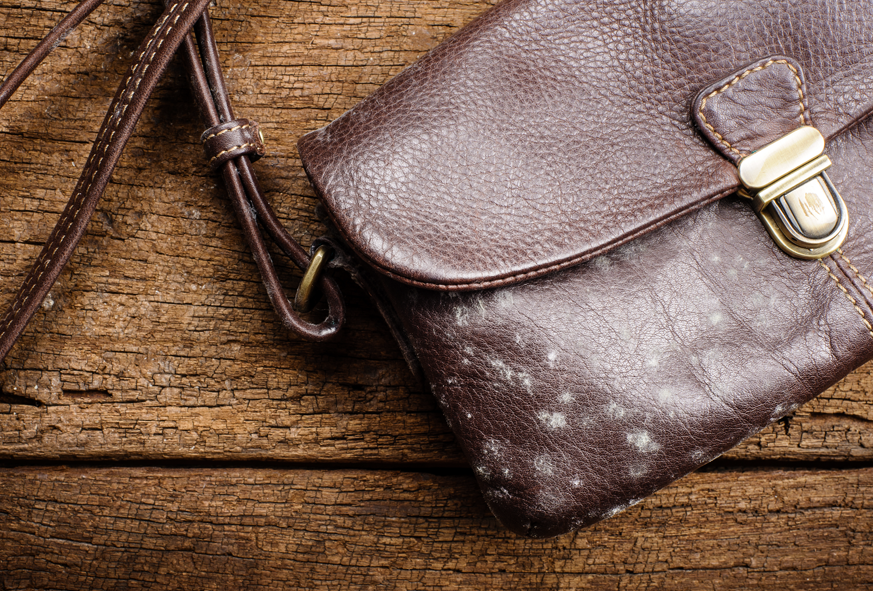
Condition Leather
Conditioning leather after cleaning mold is essential. It helps keep the bag soft and prevents cracks. Leather can dry out and become stiff after cleaning. Applying conditioner brings back its natural oils and shine.
Proper conditioning improves the leather’s durability. It also protects against future damage and mold growth. Use a natural, quality leather conditioner for best results. Avoid harsh chemicals that can harm the leather.
Apply Quality Leather Conditioner
Choose a leather conditioner made from natural ingredients. Test it first on a small, hidden area of the bag. Apply a small amount using a soft cloth. Rub gently in a circular motion to cover all surfaces. Let the conditioner absorb fully before using the bag.
Restore Moisture And Flexibility
Leather needs moisture to stay flexible and strong. Conditioner restores this moisture lost during cleaning. It also softens the leather, making it easier to handle. Regular conditioning prevents cracks and extends the bag’s life. Condition your bag at least twice a year for best care.
Prevent Future Mold
Preventing mold on leather bags is key to keeping them fresh and durable. Mold thrives in warm, damp environments. Storing leather bags properly lowers moisture and heat exposure. This simple habit stops mold from coming back after cleaning. Here are two easy ways to prevent future mold growth on your leather bags.
Store In Dry, Cool Place
Choose a dry, cool spot to keep your leather bags. Avoid places like basements or attics with high humidity. A well-ventilated closet or room works best. Keep bags away from direct sunlight to prevent fading and drying out. Proper air flow helps stop mold spores from settling on leather. Store bags in breathable fabric bags instead of plastic covers. This allows moisture to escape and keeps the leather healthy.
Use Silica Gel Packs
Silica gel packs absorb moisture and lower humidity inside storage areas. Place a few packs inside your leather bags or storage boxes. Change the packs regularly to keep them effective. These little packets help keep the environment dry and mold-free. Using silica gel packs is an easy, natural way to protect your leather bags. They do not harm the leather or cause any damage.
Frequently Asked Questions
How Do You Clean Moldy Leather Bags?
Take the bag outside and brush off loose mold gently. Wipe spots with a cloth dampened in equal parts white vinegar and water. Avoid soaking leather. Air dry fully in ventilation. Test solution on a hidden spot first. Finish by applying leather conditioner to restore moisture.
What Kills Mold On Leather?
Use a solution of equal parts white vinegar or rubbing alcohol and water to kill mold on leather. Gently wipe affected areas without soaking. Let leather air dry completely, then apply leather conditioner to restore moisture and prevent future mold growth.
Is Alcohol Or Vinegar Better To Kill Mold?
Vinegar kills mold effectively due to its acidity and is safer for leather. Alcohol works but may dry leather more. Choose vinegar for gentle, natural mold removal on leather.
Can Moldy Bags Be Saved?
Moldy bags can be saved by brushing off spores outside, wiping with vinegar solution, drying well, and conditioning the leather.
Conclusion
Cleaning mold off leather bags naturally keeps them fresh and safe. Use gentle, natural solutions like vinegar or rubbing alcohol mixed with water. Always brush off loose mold outdoors to avoid spreading spores inside. Test your cleaning mix on a hidden spot to protect the leather.
Wipe carefully and avoid soaking the bag. Let the bag dry well in fresh air to prevent mold from returning. Finish by applying a leather conditioner to keep the leather soft and strong. Regular care helps your leather bag last longer and look great.