

Backpacks are part of every child’s school day. They carry books, lunch, and supplies. But, have you ever thought about how heavy a backpack should be for a child? This question is very important. Too heavy a backpack can cause pain and harm. Too light, and it might not hold all the things a child needs.
Why Is Backpack Weight Important?
Children carry backpacks every day. The weight of the backpack can affect their health. If the backpack is too heavy, it can cause back pain. It can also make children tired. Sometimes, it can even cause problems with their spine or posture.
Children’s bodies are still growing. Their bones and muscles are not as strong as adults’. Carrying heavy backpacks can harm their growth. That is why it is important to know the right weight for a child’s backpack.
What Do Experts Say About Backpack Weight?
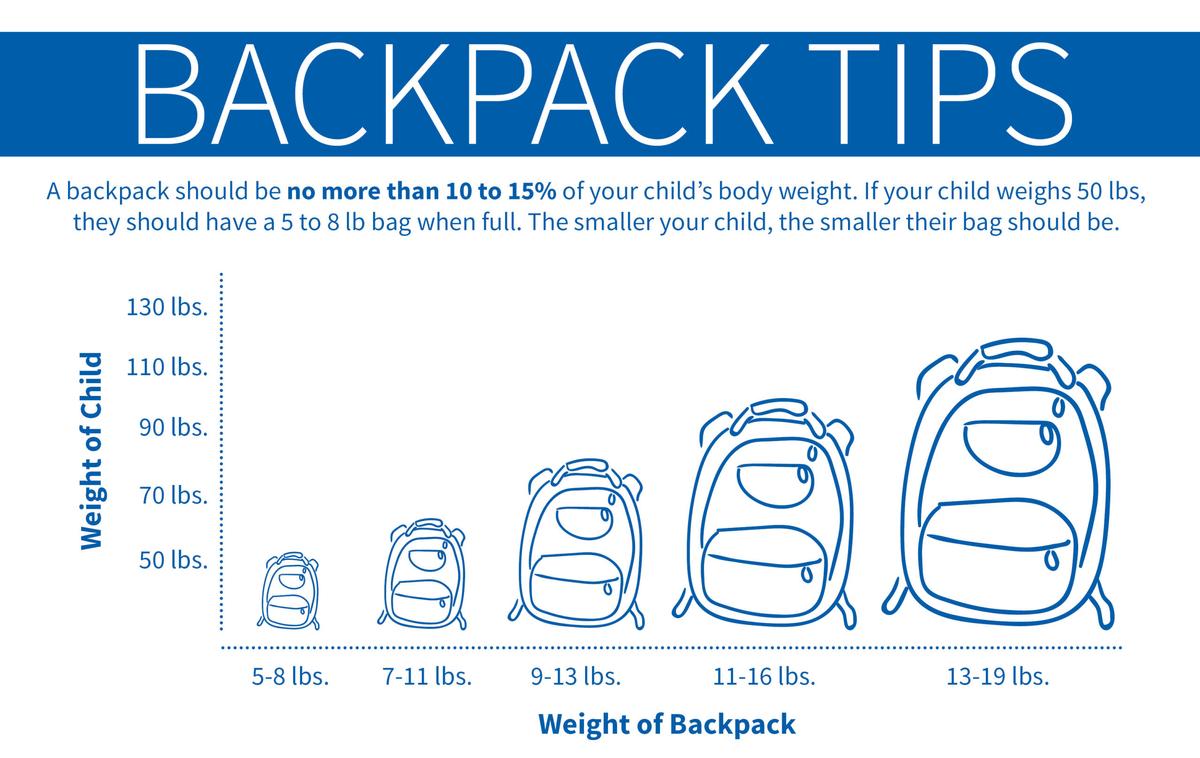
Many health experts have studied this problem. They have advice for parents, teachers, and children. The general rule is that a backpack should not be more than 10% to 15% of a child’s body weight.
For example, if a child weighs 50 pounds, their backpack should weigh no more than 5 to 7.5 pounds. This limit helps keep the child’s back safe and strong.
Why 10% to 15% of Body Weight?
This number is not random. It is based on research about children’s health. When the backpack is too heavy, children change how they walk and stand. They might lean forward or to one side. This is to balance the weight. But this can cause muscle strain and pain.
Keeping the backpack below 15% of body weight helps children carry it safely. It also helps keep their posture correct.
Signs a Backpack Is Too Heavy
How can you tell if a backpack is too heavy? Here are some signs:
- The child complains of back or shoulder pain.
- They have trouble walking or balancing.
- The backpack leaves red marks on their shoulders.
- The child leans forward or to one side when walking.
- The child feels very tired after carrying the backpack.
If you see these signs, the backpack might be too heavy.
How to Check Backpack Weight at Home
Checking the backpack weight is easy. Here is how you can do it:
- Weigh your child using a scale.
- Weigh the backpack when it is full.
- Calculate 10% to 15% of the child’s weight.
- Compare the backpack weight with this number.
If the backpack is heavier, remove some items.
Tips to Keep Backpack Weight Safe
Here are some simple tips to help keep backpack weight safe:
- Only carry what is needed for the day.
- Use both shoulder straps to balance weight.
- Choose a backpack with padded straps and back.
- Pack heavier items close to the back.
- Use lockers or desks to store extra books.
- Check the backpack weight regularly.
Choosing the Right Backpack
Not all backpacks are the same. Some backpacks are lighter and easier to carry. Here are some things to look for:
| Feature | Why It Matters |
|---|---|
| Padded Straps | Comfort for the shoulders and reduce pressure. |
| Adjustable Straps | Helps fit the backpack well to the child’s body. |
| Lightweight Material | Makes the backpack itself lighter. |
| Multiple Compartments | Allows better packing and weight distribution. |
| Chest or Waist Straps | Helps spread the weight evenly. |
How to Pack a Backpack Properly
Packing a backpack the right way helps reduce strain. Here are easy steps:
- Put heavier books and items near the back.
- Place lighter items in front or in smaller pockets.
- Do not overfill any one side.
- Make sure straps are adjusted properly.
- Use all compartments to spread the weight.

What Happens If a Backpack Is Too Heavy?
Carrying a heavy backpack can cause many problems:
- Back and neck pain.
- Poor posture, like slouching.
- Tiredness and less energy during the day.
- Difficulty walking or balancing.
- In rare cases, long-term spine problems.
These problems can affect a child’s school and play time.
Extra Advice for Parents and Teachers
Parents and teachers can help keep backpacks light:
- Ask children what they carry each day.
- Check backpacks regularly for extra items.
- Encourage children to use lockers or desks.
- Talk to teachers about homework and book needs.
- Teach children how to wear backpacks correctly.

Frequently Asked Questions
How Much Weight Is Safe For A Child’s Backpack?
A child’s backpack should weigh no more than 10-15% of their body weight. Keeping it light helps prevent back pain and injury.
What Happens If A Backpack Is Too Heavy For A Child?
A heavy backpack can cause poor posture, muscle strain, and back pain. It may also lead to long-term spinal problems.
How Can Parents Check If A Backpack Is Too Heavy?
Lift the backpack and see if it feels hard to carry. Also, check if the child leans forward or struggles to walk.
What Are Signs A Backpack Is Hurting A Child?
Look for complaints of back or shoulder pain, tiredness, or difficulty walking. Red marks on shoulders can also signal a problem.
Conclusion
Knowing how heavy a child’s backpack should be is very important. It helps keep children healthy and happy. The best rule is to keep the backpack weight under 10% to 15% of the child’s weight. Use both straps and pack the backpack well. Choose a good backpack with comfortable straps and padding. Check the backpack often and remove extra items. This way, children can carry their backpacks safely every day.
Remember, a light backpack means a healthy child!