

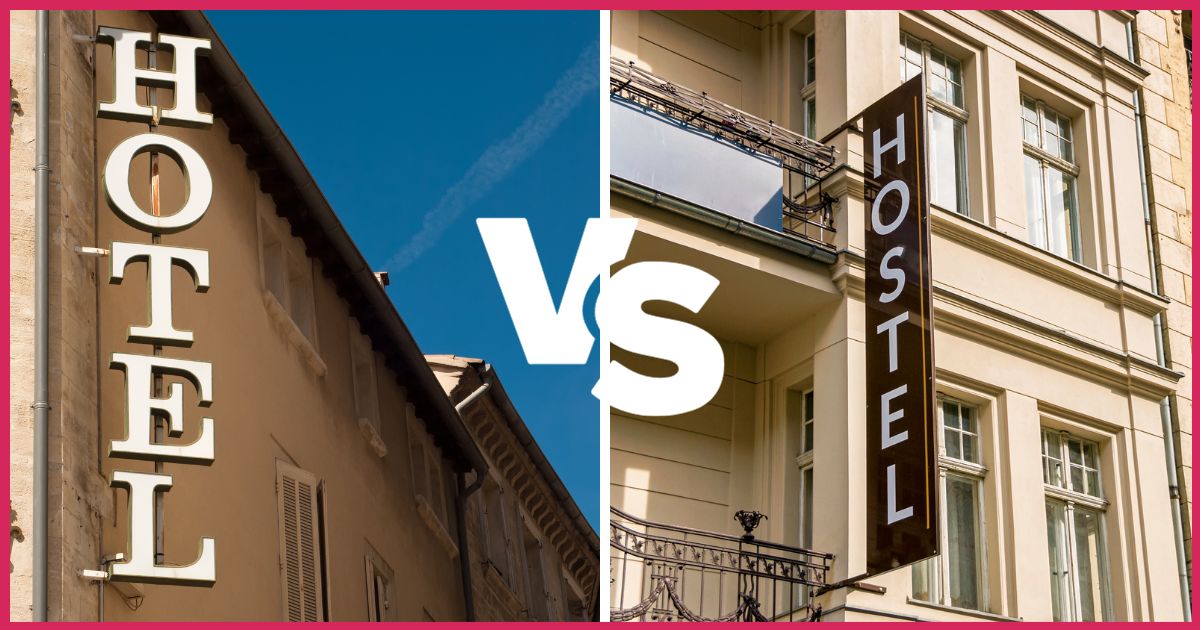
Choosing where to stay can make or break your trip. You might be wondering: should you pick a hostel or a hotel?
Each has its own perks, but which one truly fits your needs? Imagine saving money, meeting new people, or enjoying extra comfort—what matters most to you? This article will help you decide by breaking down the key differences, so you can make the best choice for your next adventure.
Keep reading, because the answer might surprise you.
Cost Comparison
Cost plays a big role in choosing between a hostel and a hotel. Understanding the price differences helps travelers pick the best option for their budget. Both hostels and hotels offer different benefits depending on what you need and can spend.
Budget Benefits Of Hostels
Hostels are usually cheaper than hotels. You can share a room with others to save money. Many hostels offer dorm-style rooms with bunk beds. This setup lowers the cost per night.
Hostels often include free Wi-Fi and kitchen access. Cooking your own meals helps cut food costs. Some hostels also provide free events or tours. These extras add value without increasing the price.
Hotel Pricing Factors
Hotel prices depend on location, star rating, and season. Hotels in city centers or near attractions cost more. Luxury hotels charge extra for services like room service or pools.
Booking in advance can reduce hotel prices. Prices rise during holidays or popular events. Hotels usually charge more for private rooms and amenities.
Value For Money
Hostels give good value for travelers on a tight budget. You pay less but share space with others. Hotels offer more comfort and privacy for a higher price.
Consider what matters most to you: saving money or having extra comfort. Hostels suit social travelers and budget seekers. Hotels fit those who want quiet and convenience.
Comfort And Amenities
Comfort and amenities play a big role in choosing between a hostel and a hotel. They affect how relaxed and happy you feel during your stay. Both options offer different levels of comfort and types of amenities. Understanding these differences helps you pick the best place for your needs.
Room Quality
Hotels usually have private rooms with clean beds and soft linens. Rooms often include a private bathroom and good lighting. Hostels offer shared rooms or dormitories with bunk beds. Some hostels also provide private rooms but with simpler decor. Hotel rooms feel more spacious and quiet. Hostel rooms focus more on basic needs and affordability.
Facilities Offered
Hotels provide many facilities like gyms, pools, and restaurants. They may also offer room service and daily housekeeping. Hostels focus on social spaces such as shared kitchens and lounges. Some hostels have free Wi-Fi and laundry services. Hotels have more luxury facilities, while hostels emphasize community and shared use.
Privacy Levels
Hotels offer high privacy with private rooms and locked doors. You get your own space with little disturbance. Hostels have lower privacy due to shared rooms and bathrooms. Dormitory style sleeping means you share space with others. Some hostels offer private rooms but privacy is still less than hotels.
Social Experience
The social experience plays a big role in choosing between a hostel and a hotel. Some travelers want to meet new people and share stories. Others prefer peace and quiet. Both places offer different ways to enjoy your trip socially. This section explores how hostels and hotels differ in social opportunities.
Meeting Fellow Travelers
Hostels are great for meeting people from all over the world. Shared dorms and common areas create easy chances to start a conversation. Travelers often gather in lounges or kitchens. Hotels tend to offer more private spaces. Meeting others in hotels is less common and can feel formal.
Group Activities And Events
Many hostels organize group activities like city tours, game nights, or cooking classes. These events help guests connect and have fun together. Hotels usually do not have these social programs. Hotel guests might join local tours but often explore alone or in small groups.
Quiet And Relaxation
Hotels focus on quiet and comfort. Rooms are designed to reduce noise and offer privacy. This setting suits travelers who want to rest or work without interruptions. Hostels can be noisy with many people around. Shared rooms and social spaces might not be ideal for quiet time.

Location And Accessibility
Location and accessibility play a big role in choosing between a hostel and a hotel. Where you stay affects your travel experience. Easy access to key places saves time and money. Safety and convenience matter a lot. Let’s explore how hostels and hotels compare in these areas.
Proximity To Attractions
Hostels often sit close to popular tourist spots. They aim to attract young travelers and backpackers. Staying near attractions means less travel time. Hotels can be near attractions, but many are in business districts. Some hotels are far from main sights. Hostels usually offer a more central location.
Transportation Links
Hotels usually have good transport connections. They may offer shuttle services or be near train stations. Hostels are often near bus stops or metro stations. This helps travelers move around easily. Public transport is cheaper than taxis. Both hostels and hotels focus on transport access, but hostels often suit budget travelers better.
Safety Considerations
Hotels often have 24-hour security and cameras. They may have locked entrances and staff on site. Hostels may have less strict security. Many hostels use key cards and lockers for safety. Some travelers feel safer in hotels. Others find hostels safe enough with simple precautions. Check reviews and ask about security before booking.
Booking And Availability
Booking and availability are key factors when choosing between a hostel and a hotel. They affect your travel plans and overall experience. Both options have their own ways to handle reservations and cancellations. Knowing these differences helps you pick the best stay for your trip.
Ease Of Reservation
Hotels often offer easy online booking through many websites. You can choose rooms, dates, and even special services quickly. Hostels also allow online bookings but may have fewer options. Sometimes, hostels require direct contact by phone or email for group bookings. Hotels usually have more availability due to larger size and more rooms.
Cancellation Policies
Hotels tend to have strict cancellation rules. You may lose money if you cancel late. Some hotels offer free cancellation if done early. Hostels usually have flexible cancellation policies. Many hostels allow free cancellation up to a day before arrival. This flexibility suits travelers with changing plans.
Peak Season Challenges
During peak seasons, hotels fill up fast. Prices may rise due to high demand. Hostels can also book quickly, especially in popular cities. Hostels often have shared rooms, which may be easier to find than hotel rooms. Booking early is important for both to secure your spot.


Suitability For Different Travelers
Choosing between a hostel and a hotel depends on the traveler’s needs. Different types of travelers find one option better than the other. Understanding who each suits helps make the right choice. Here is a look at which stays fit different travelers best.
Solo Adventurers
Solo travelers often seek places to meet others. Hostels offer shared rooms and common areas. These create chances to chat and make friends easily. Hostels are budget-friendly, saving money for activities. Hotels provide more privacy and quiet. Solo travelers who value peace may prefer hotels. Both have advantages depending on the traveler’s style.
Families And Groups
Families usually need space and comfort. Hotels offer private rooms and family suites. These rooms provide safety and convenience for kids. Hotels often have pools and play areas. Hostels may lack these family-friendly features. Groups on a budget may find hostels cheaper. Hostels with private rooms can suit some groups. Space and privacy needs guide the choice.
Business Travelers
Business travelers want comfort and efficiency. Hotels provide private rooms with work desks. Many hotels offer fast Wi-Fi and meeting rooms. Quiet environments help focus and rest well. Hostels may be noisy and lack privacy. Some hostels have business facilities but fewer than hotels. Time and convenience make hotels a better fit for business trips.
Environmental Impact
The environmental impact of hostels and hotels is an important factor for travelers. Both types of lodging affect the planet differently. Understanding these effects helps make better travel choices. This section explores how hostels and hotels compare in sustainability, resource use, and eco-friendly options.
Sustainability Practices
Hostels often adopt green policies faster than hotels. Many hostels focus on reducing waste and recycling. They encourage guests to save water and electricity. Hotels may have larger budgets for sustainability programs. But some hotels struggle with consistent green efforts. Smaller hostels can be more flexible in their approach.
Resource Consumption
Hotels usually consume more water and energy. Large rooms, pools, and amenities increase usage. Hostels share facilities, which lowers resource use. Cleaning services in hotels run daily and use more supplies. Hostels often have self-service options that save water. Overall, hostels tend to have a smaller environmental footprint.
Eco-friendly Options
Many hostels offer eco-friendly features like solar panels and composting. They promote walking or biking to reduce car use. Hotels may provide electric vehicle charging stations. Some hotels use energy-efficient lighting and water-saving fixtures. Hostels often prioritize local products and reduce plastic waste. Travelers can find green options in both types of lodging.

:max_bytes(150000):strip_icc()/Difference-between-hostel-and-hotel-1458729-v1-206aaa1c838f4895ba4f2ce0b301575d.png)
Frequently Asked Questions
What Are The Main Differences Between Hostels And Hotels?
Hostels offer budget-friendly dorm-style rooms, while hotels provide private rooms and more amenities. Hostels focus on social interaction, hotels prioritize comfort and privacy. Location and services also vary, catering to different traveler needs.
Which Is Cheaper: Hostel Or Hotel Accommodation?
Hostels are generally cheaper than hotels due to shared rooms and fewer amenities. Hotels charge more for private rooms and additional services. Budget travelers often choose hostels to save money while enjoying basic facilities.
Are Hostels Safer Than Hotels For Solo Travelers?
Hotels usually provide better security with private rooms and 24/7 staff. Hostels may have shared spaces, but many have security measures like lockers and key cards. Solo travelers should consider location, reviews, and facilities when choosing.
Can Hotels Offer Better Comfort Than Hostels?
Yes, hotels typically offer more comfort with private bathrooms, room service, and amenities. Hostels focus on affordability and socializing, often lacking luxury features found in hotels. Comfort depends on budget and traveler preferences.
Conclusion
Choosing between a hostel and a hotel depends on your needs. Hostels offer budget-friendly stays and chances to meet new friends. Hotels provide more privacy and comfort for a peaceful rest. Think about your trip style, budget, and what matters most to you.
Both options have pros and cons. The best choice fits your travel plans and personal comfort. Take time to decide, so your stay is just right. Simple and smart choices lead to better travel memories.