

How to Waterproof a Bag: Ultimate Guide to Stay Dry Anywhere-2026
Have you ever grabbed your bag only to find it soaked inside after a sudden rain? Protecting your belongings from water damage is easier than you think.
Imagine keeping your gadgets, papers, and clothes safe no matter the weather. In this guide, you’ll discover simple, effective ways to waterproof your bag. By the end, you’ll feel confident and ready to take on any wet adventure without worry.
Ready to keep your stuff dry and secure? Let’s dive in.
Materials Needed
Waterproofing a bag requires specific materials to ensure success. The right items protect your bag from water damage. They also keep your belongings dry inside. Understanding these materials helps you prepare properly.
Gathering the correct supplies saves time and effort. It makes the waterproofing process smooth and effective. Below are essential materials divided into three categories.
Waterproof Fabrics
Choose fabrics that resist water naturally. Nylon and polyester are common waterproof fabrics. They have tight weaves that block water. Some fabrics have special coatings for extra protection. These materials form the base of a waterproof bag.
Sealants And Sprays
Sealants and sprays add a water-resistant layer. Silicone sprays create a flexible, clear barrier. Wax-based sealants soak into fabric and repel water. These products prevent water from seeping through seams and holes. Use sealants that suit your bag’s fabric type.
Tools And Accessories
Gather tools to apply sealants properly. Brushes help spread wax evenly on fabric. Spray bottles allow even coating of liquid sealants. Gloves protect your hands during application. Clean cloths help wipe off excess product. Having these tools ensures a neat finish.

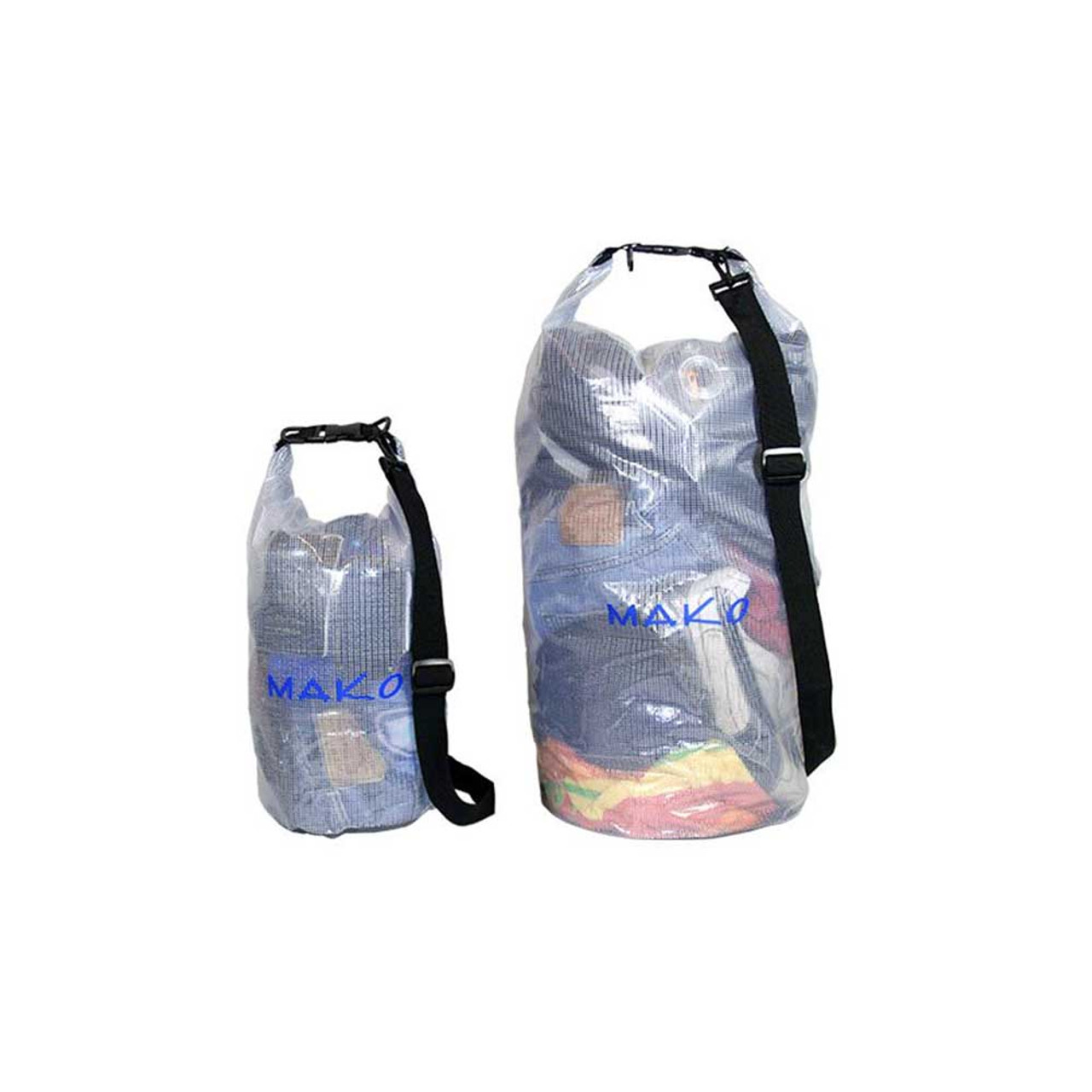
Preparing The Bag
Preparing your bag is the first step in waterproofing it well. This stage makes sure the bag is clean and ready to absorb the waterproof coating. It also helps find any weak spots that need fixing before sealing the bag.
Taking time here saves effort later. A clean, smooth surface holds the waterproof layer better. Let’s go through the key steps to get your bag ready.
Cleaning The Surface
Start by removing dirt, dust, and stains from the bag. Use a soft brush or cloth with mild soap and warm water. Gently scrub the whole surface. Avoid harsh chemicals that can damage the fabric. Rinse with clean water and let the bag dry completely. Drying is very important for the next steps.
Inspecting For Damage
Check the bag closely for tears, holes, or worn spots. These areas can let water in. Mark any damage with a pencil or small sticker. Small holes can be patched later. Larger damage might need sewing or professional repair. Fixing problems now improves waterproofing results.
Removing Hardware
Take off any removable metal parts like buckles, clips, or chains. These can rust or block the waterproof coating. If you cannot remove them, cover them with tape. This protects the hardware and keeps the waterproof layer even. Removing hardware also makes it easier to coat the bag’s surface fully.
Waterproofing Techniques
Waterproofing a bag keeps your belongings safe from water damage. There are simple ways to make your bag water-resistant. Each method works differently but aims to block water from entering the fabric or seams. Choose the right technique based on your bag’s material and use.
Using Waterproof Sprays
Waterproof sprays are easy to apply and dry fast. Spray the bag evenly from about 6 inches away. Focus on all fabric areas, including pockets and flaps. Let the spray dry fully before using the bag. This method works well for nylon and canvas bags. Repeat the spray every few months for best results.
Applying Wax Coating
Wax coating gives a strong water barrier and a rugged look. Rub the wax gently over the bag’s surface using a cloth. Use a hairdryer or warm cloth to melt the wax into the fabric. This method fits cotton or canvas bags better than nylon. It may darken the bag slightly, so test on a small area first.
Sealing Seams And Zippers
Water often enters through seams and zippers. Seal these areas with waterproof tape or seam sealer. Apply the sealant carefully along the stitches and zipper edges. Let it dry completely before using the bag. This step improves the bag’s waterproof strength greatly. Use a zipper cover or flap for extra protection.


Drying And Curing
Drying and curing are crucial steps in waterproofing a bag. These processes help the waterproof coating stick well and last longer. Skipping or rushing drying and curing can cause the waterproof layer to peel or fail.
Patience is key. Proper drying and curing ensure full protection from water. Follow simple steps to get the best results.
Air Drying Tips
Let the bag dry in a clean, dry place. Avoid direct sunlight as it can damage the waterproof layer. Room temperature is best for drying. Keep the bag flat or hang it to prevent wrinkles. Do not use a hair dryer or heater. These can cause uneven drying and damage the fabric.
Optimal Curing Time
Curing time depends on the waterproof product used. Most sprays and coatings need 24 to 48 hours to cure fully. Check the product label for exact time. Avoid using the bag before curing finishes. Touching or folding the bag too soon can ruin the waterproof layer. Patience during curing helps the coating bond deeply and last longer.
Testing Waterproofing
After applying waterproofing to your bag, testing is important. It shows if the treatment works well. Testing helps find weak spots. You can fix these spots before using the bag in wet conditions. This step saves your stuff from water damage.
Water Resistance Test
Start with a simple water resistance test. Fill a spray bottle with water. Spray the bag evenly. Watch how water behaves on the surface. Does it bead up? Or soak in quickly? Beads show good waterproofing. If water soaks in, the bag needs more treatment.
Next, put some water inside the bag. Leave it for 10 to 15 minutes. Check the outside for wet spots. If you see dampness, the bag is not fully waterproof. Repeat the waterproofing process and test again.
Spot Repair Methods
Find any small holes or tears during testing. These spots let water in. Use waterproof patches or sealant for repairs. Clean the damaged area first. Apply the patch or sealant firmly. Let it dry as per product instructions.
For minor leaks, waterproof tape works well. Cover the spot completely. Press it down to remove air bubbles. Test the bag again after repairs. Keep repeating until no leaks appear.
Maintaining Waterproofing
Keeping your bag waterproof is important for long-lasting protection. Waterproof coatings can wear off over time. Dirt, sun, and water reduce their strength. Taking care of your bag helps it stay dry and safe.
Regular Reapplication
Waterproof sprays and waxes lose power with use. Apply them again after cleaning your bag. Follow the product instructions carefully. Test on a small area first. Reapply every few months or after heavy rain. This keeps the waterproof layer strong and reliable.
Storage Tips
Store your bag in a cool, dry place. Avoid direct sunlight and heat sources. Heat can break down waterproof coatings. Keep the bag clean and dry before storing. Use a breathable bag cover or cloth. Proper storage helps keep the waterproof material intact longer.
Waterproofing Different Bag Types
Different bags need different care to become waterproof. The material and style change are the best method to use. This guide explains how to protect backpacks, leather bags, and canvas bags from water damage.
Each type requires special steps to keep water out and extend the bag’s life. Simple treatments can make a big difference.
Backpacks
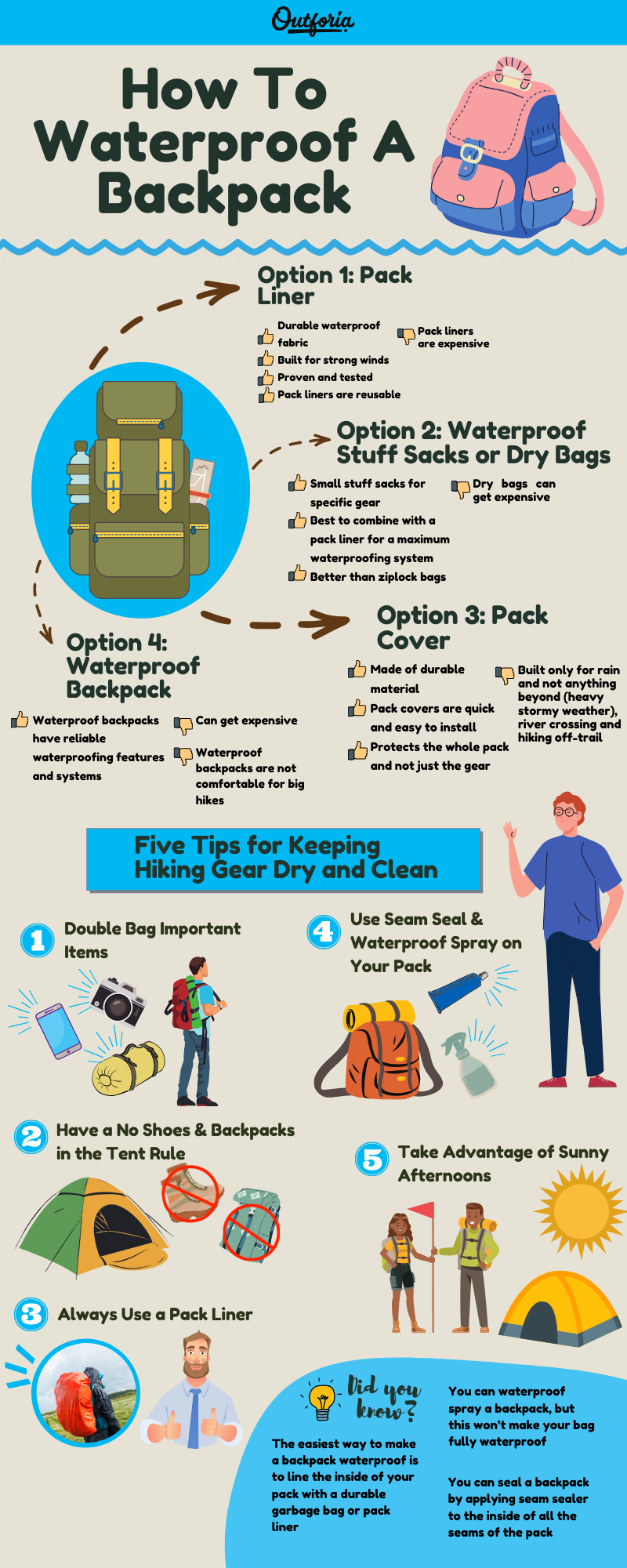
Backpacks often use nylon or polyester. Spray a waterproof spray made for synthetic fabrics. Cover the whole bag evenly. Let it dry fully before use. Avoid soaking the bag or using harsh chemicals. For extra protection, use a rain cover when outdoors.
Leather Bags
Leather needs gentle care. Use a leather conditioner with waterproofing properties. Apply with a soft cloth in small circles. Do not use water-based sprays on leather; they can cause damage. Let the bag dry naturally. Regular treatment keeps leather soft and water-resistant.
Canvas Bags
Canvas is sturdy but can soak up water. Use a wax-based product or fabric waterproofing spray. Rub wax evenly or spray the fabric. Heat the wax slightly to help it absorb. Let the bag dry in a warm, dry place. Reapply every few months to keep water out.

Frequently Asked Questions
How Do I Waterproof A Fabric Bag At Home?
Use a waterproof spray specifically designed for fabrics. Clean the bag first, spray evenly, and let it dry completely. Repeat for better protection.
What Materials Are Best For Waterproofing Bags?
Silicone spray, wax-based products, and TPU coatings are excellent for waterproofing bags. They repel water while keeping the bag flexible and durable.
Can I Waterproof A Leather Bag Effectively?
Yes, use a specialized leather waterproofing spray or wax. Apply evenly and condition the leather afterward to maintain softness and prevent cracking.
How Often Should I Reapply Waterproofing to My Bag?
Reapply every 3 to 6 months or after heavy exposure to water. Regular maintenance ensures long-lasting water resistance and protects your bag’s material.
Conclusion
Waterproofing your bag keeps your items safe and dry. Simple steps like using waterproof sprays or liners help a lot. Regular care extends your bag’s protection against water damage. Choose the method that fits your bag and needs best. Stay prepared for rain, spills, or outdoor adventures.
Protecting your bag is easy and worth the effort. Try these tips to keep your belongings dry every time.