

How to Sew a Messenger Bag for Beginners: Easy Step-by-Step Guide


Sewing a messenger bag can seem daunting at first. But with the right guidance, even beginners can create a stylish and functional bag.
Sewing offers a great way to personalize your accessories. Making a messenger bag is a perfect project for those new to sewing. You’ll learn basic skills and end up with a handy item you can use daily. In this blog post, we’ll guide you through the process step-by-step.
You’ll discover that sewing a messenger bag is not only possible but enjoyable. So, gather your materials, and let’s get started on this fun and rewarding project.
Choosing Materials
Choosing the right materials is crucial for sewing a messenger bag. The right fabric and tools ensure your project is easy and enjoyable. Let’s explore the best options for beginners.
Fabric Options
The fabric you choose impacts the durability and style of your bag. Here are some popular options:
- Cotton Canvas: Durable and easy to sew. Perfect for beginners.
- Denim: Tough and stylish. Adds a rugged look.
- Quilting Cotton: Soft and colorful. Great for a fun design.
- Faux Leather: Offers a sleek, professional finish. Slightly harder to sew.
Select a fabric that matches your skill level and desired look. For your first project, cotton canvas is a great choice.
Essential Tools
Having the right tools makes sewing easier and more enjoyable. Here are the essentials:
| Tool | Description |
|---|---|
| Scissors | Use sharp fabric scissors for clean cuts. |
| Measuring Tape | Ensure accurate measurements for pattern pieces. |
| Pins | Hold fabric pieces together before sewing. |
| Sewing Machine | Essential for stitching your bag. Choose a beginner-friendly model. |
| Iron | Press seams flat for a professional finish. |
| Thread | Choose a thread that matches your fabric. |
These tools help you create a sturdy and stylish messenger bag. Investing in quality tools pays off in the long run.
Preparing The Fabric
Preparing the fabric is a crucial step in sewing a messenger bag. This process ensures that your bag turns out just as you envisioned. Careful measuring, cutting, and marking are essential. It makes the sewing process smoother and more enjoyable.
Measuring And Cutting
First, gather your fabric and tools. Use a measuring tape to measure the fabric pieces. Ensure you follow the pattern’s dimensions exactly. Lay your fabric on a flat surface. Smooth out any wrinkles. This helps in getting accurate measurements.
Next, use sharp fabric scissors for cutting. Cut slowly and steadily. This prevents jagged edges. Double-check your measurements before making any cuts. It’s better to measure twice and cut once. This saves fabric and avoids mistakes.
Marking The Pattern
After cutting, it’s time to mark the pattern. Place your pattern pieces on the fabric. Ensure they are aligned correctly. Use fabric chalk or a disappearing fabric pen to trace the pattern. Mark all essential points, like seams and darts.
These markings guide you during sewing. Clear markings make sewing easier and more accurate. Check that all pieces are correctly marked. This step sets the foundation for a well-made messenger bag.
Sewing The Bag Body
Sewing the body of the messenger bag is simple and fun. This part of the project brings everything together. You will create the sides and bottom of the bag. Follow these steps to ensure your bag looks great and functions well.
Stitching The Sides
First, place the fabric pieces right sides together. Align the edges carefully. Pin or clip the sides to hold the fabric in place. Sew along the sides with a 1/2-inch seam allowance. Use a straight stitch for strength. Backstitch at the beginning and end to secure the seams.
Next, press the seams open with an iron. This will make the seams lie flat. It also gives the bag a neat finish. Be careful while ironing. Some fabrics are sensitive to heat. Check the fabric care instructions to avoid damage.
Creating The Bottom
Now, it’s time to create the bottom of the bag. First, pinch the bottom corners of the bag. This will create a flat base. Align the side seams with the bottom seam. Mark a line across the corner, about 2 inches from the tip. This will form a triangle shape.
Sew along the marked line, then trim the excess fabric. Repeat this on the other side. Turn the bag right side out. You should see a flat bottom now. This step gives the bag more structure. It also helps it stand upright when placed on a surface.
Congratulations! You have now sewn the body of your messenger bag. You are one step closer to completing your project.
Adding Pockets
Adding pockets to your messenger bag makes it more functional and organized. Pockets provide dedicated spaces for your essentials. They also add a professional touch to your handmade bag. This section will guide you through adding both interior and exterior pockets. Follow these steps to enhance your bag’s usability.
Interior Pockets
Start with interior pockets for small items. Cut fabric pieces for your pockets. Use the same or contrasting fabric as the bag lining. Fold the top edge of the pocket fabric down by half an inch. Press and sew a straight stitch along this edge. This creates a neat, finished top.
Next, pin the pocket piece to the lining fabric. Ensure it is centered and aligned with the top edge of the bag lining. Sew the sides and bottom of the pocket to the lining. Reinforce the top corners with a few extra stitches. This prevents the pocket from tearing with use.
Exterior Pockets
Exterior pockets are great for items you need quick access to. Follow similar steps as for the interior pockets. Cut your fabric pieces and fold down the top edge. Press and sew a straight stitch to finish the top edge.
Pin the pocket to the exterior fabric of the bag. Align it with the center or off-center, based on your preference. Sew the sides and bottom of the pocket to the bag’s exterior fabric. Again, reinforce the top corners for extra strength.
Now, your messenger bag has both interior and exterior pockets. These pockets keep your items organized and easily accessible. Enjoy your functional and stylish new bag!
Attaching The Strap
Attaching the strap is a crucial part of sewing a messenger bag. The strap ensures the bag is easy to carry and functional. This step-by-step guide will help you attach the strap securely and neatly.
Choosing Strap Material
Select a durable material for the strap. Cotton webbing or nylon are great choices. They are strong and comfortable on the shoulder. Match the color with your bag for a cohesive look.
Securing The Strap
First, measure the length of the strap. Adjust it to fit your body size. Fold the ends of the strap by half an inch to prevent fraying. Pin the folded ends to the sides of the bag. Ensure they are aligned properly.
Next, use a sewing machine to stitch the ends. Sew in a square pattern for extra strength. Check that the stitches are tight and secure. Trim any loose threads for a clean finish.


Credit: sewcanshe.com
Finishing Touches
Finishing touches on your messenger bag make it look polished and complete. These steps may seem small, but they add a lot to the overall look and functionality. Let’s make your bag stand out with some final touches.
Adding Closures
Closures keep your belongings secure inside the bag. You can choose from snaps, buttons, or Velcro. Sew the closures onto the flap and the front of the bag. Make sure they align perfectly.
Test the closures a few times to ensure they work well. This step is crucial for the security of the items inside your bag.
Trimming Excess Threads
Loose threads can make your bag look messy. Trim all excess threads carefully. Use small, sharp scissors for this task. Double-check all seams and edges.
Clean, trimmed threads give your bag a professional finish. It also prevents threads from getting caught in zippers or closures.
Decorating Your Bag
Decorating your messenger bag makes it unique and personal. This step is fun and creative. It is your chance to add your touch. Here are some ideas to help you get started.
Embroidery Ideas
Embroidery adds a classic and elegant touch to your bag. It is simple to start. You can use basic stitches such as:
- Backstitch
- Running stitch
- French knots
Consider stitching your initials or a small design. Flowers, stars, and geometric shapes look great. Use colorful threads for more visual interest.
Here is an easy way to create a small flower:
- Draw a small circle on your fabric.
- Use a backstitch to outline the circle.
- Fill the circle with French knots.
Embroidery takes time, but it is worth the effort. Practice on a scrap piece of fabric first. Then, move to your bag when you feel ready.
Using Fabric Paint
Fabric paint is another great way to decorate. It is easy and fast. You can create many designs with it. Here are some ideas:
- Abstract patterns
- Polka dots
- Stripes
Use a stencil for clean and precise shapes. Or, freehand your design for a more personal touch. Here is a simple method to create polka dots:
- Dip the end of a pencil eraser in fabric paint.
- Press the eraser onto the fabric.
- Repeat to create a pattern.
Let the paint dry completely. Follow the instructions on the paint bottle. Some paints need to be heat set. This will make your design last longer.
Fabric paint comes in many colors. You can even get glitter or metallic paints. Experiment with different types to find what you like best.


Credit: www.youtube.com
Caring For Your Bag
After putting time and effort into sewing your own messenger bag, it’s essential to keep it in good condition. Proper care can make your homemade bag last longer and maintain its appearance. Here are some tips for cleaning and repairing your new accessory.
Cleaning Tips
Keeping your messenger bag clean is key to its longevity. Here are some simple cleaning tips:
- Spot Cleaning: Use a damp cloth with mild soap to clean small stains. Gently rub the spot and rinse with a clean, damp cloth.
- Hand Washing: If the entire bag needs cleaning, hand washing is best. Fill a basin with lukewarm water and add a small amount of mild detergent. Submerge the bag and gently scrub it with your hands. Rinse thoroughly with clean water.
- Drying: Avoid using a dryer. Instead, reshape the bag and let it air dry. Hang it in a well-ventilated area, away from direct sunlight to prevent colors from fading.
Repairing Minor Damages
Minor damages can happen over time. Here’s how to handle them:
- Loose Threads: If you notice any loose threads, don’t pull them. Instead, use a pair of scissors to carefully trim them close to the fabric.
- Small Tears: For small tears or holes, use a needle and matching thread to sew them closed. A simple running stitch or a backstitch can work well.
- Broken Buckles or Straps: Replace broken buckles or straps with new ones from a craft store. Attach them securely using strong thread or a sewing machine.
Regular care and maintenance will keep your messenger bag looking great and extend its lifespan. Happy sewing!
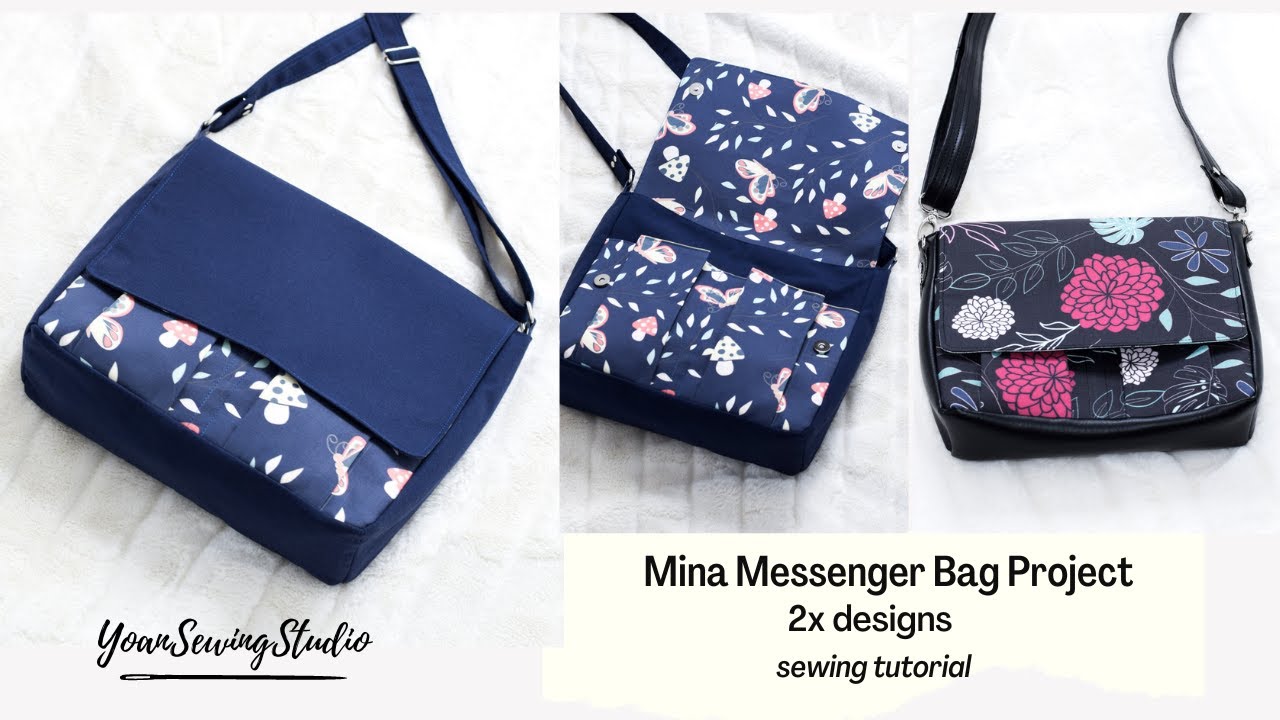
Credit: www.youtube.com
Conclusion
Creating your own messenger bag is both fun and rewarding. You’ve learned basic sewing skills. Now, you have a stylish bag to show off. Practice makes perfect, so keep sewing. Each project will get easier. Share your new skill with friends.
Encourage them to try sewing too. Enjoy your handmade bag, and happy sewing!