

Traveling alone can be one of the most exciting experiences you’ll ever have. But it also comes with its own set of challenges.
You want to enjoy every moment without worrying about your safety. That’s why knowing the right travel safety tips is crucial before you set off. You’ll discover simple yet powerful ways to protect yourself, stay alert, and make your solo trip not just fun but safe.
Keep reading—your peace of mind on the road depends on it.
Planning Your Trip
Planning your trip is the first step to a safe solo travel experience. Careful preparation helps avoid many common problems. Taking time to plan makes your journey smooth and enjoyable.
Researching Safe Destinations
Choose destinations known for safety and friendliness to travelers. Read recent travel guides and government travel advice. Check local news for any safety concerns. Look for places with good healthcare and transport options.
Booking Secure Accommodations
Select accommodations in safe neighborhoods with good reviews. Use trusted booking websites that offer customer protection. Confirm the location and nearby facilities before booking. Avoid isolated or poorly lit areas for overnight stays.
Preparing Important Documents
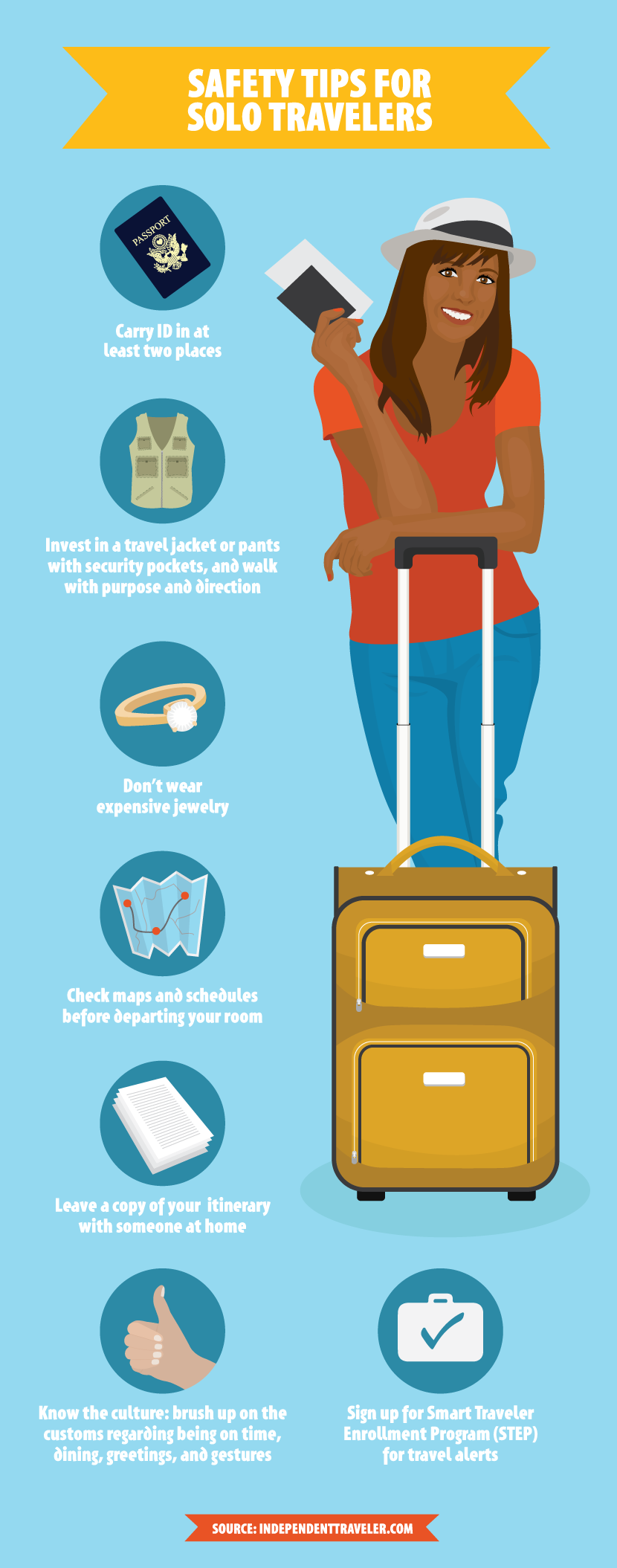
Keep your passport, visa, and ID ready and up to date. Make digital and physical copies of all important papers. Store copies separately from originals for safety. Carry emergency contacts and travel insurance details at all times.
Packing Smart
Packing smart is a key part of safe solo travel. It helps keep you prepared and less stressed. Carrying the right items makes your trip smoother and safer.
Choosing what to bring needs careful thought. Focus on items that protect you and keep your belongings safe. Avoid overpacking to stay light and flexible.
Essential Safety Gear
Bring a small first aid kit for cuts and scrapes. A whistle can call for help if needed. A portable phone charger keeps your phone ready. Carry a flashlight for dark places or emergencies. Pack a copy of important documents in a waterproof bag.
Keeping Valuables Secure
Use a money belt or hidden pouch to store cash and cards. Avoid carrying all valuables in one place. Keep your passport in a secure, hard-to-reach spot. Use bags with strong zippers and lockable compartments. Stay alert in crowded areas to prevent theft.
Travel Light And Practical
Limit your luggage to what fits your needs. Choose versatile clothes that mix and match easily. Pick items that dry quickly and resist wrinkles. Avoid heavy or bulky shoes; comfort matters most. Pack only essentials to move freely and avoid fatigue.
Staying Connected
Staying connected is very important for solo travelers. It helps you feel safer and less alone. Being in touch with family or friends lets others know you are okay. It also helps you get help quickly if needed.
Sharing Your Itinerary
Share your travel plans with someone you trust. Include your flight details, hotel, and daily activities. Update them if your plans change. This way, someone knows where you are at all times.
Using Reliable Communication Tools
Use apps and devices that work well in the places you visit. Buy a local SIM card or use Wi-Fi hotspots to save money. Keep your phone charged and carry a power bank. Text, call, or video chat often to stay connected.
Emergency Contacts Setup
Save important numbers in your phone before traveling. Include local emergency services and your country’s embassy. Share these contacts with your trusted people. In an emergency, quick access to these numbers can save lives.


Navigating New Places
Traveling alone means exploring new places with care. Navigating unfamiliar streets and transit can feel challenging. Staying safe helps you enjoy your trip more. Simple tips make a big difference in keeping you secure.
Using Public Transport Safely
Public transport is a great way to see the city. Always check the schedule and routes before you travel. Keep your bags close and avoid empty or dark stations. Sit near the driver or other passengers. Stay alert and avoid distractions like headphones or phones.
Avoiding Risky Areas
Some neighborhoods can be unsafe, especially at night. Research safe places to visit during the day. Ask locals or hotel staff about areas to avoid. Stick to well-lit streets and busy places. Trust local advice and stay in areas with more people.
Trusting Your Instincts
Your feelings are powerful signals. If a place or person feels wrong, leave quickly. Don’t ignore small worries or doubts. Stay calm but be ready to act if needed. Your instincts can keep you out of trouble.
Managing Accommodation Safety
Managing accommodation safety is key for solo travelers. It helps keep your trip smooth and worry-free. Staying alert and prepared protects you and your belongings. Choose places that feel safe and secure. Take small steps every day to stay safe in your room or rental.
Checking Security Features
Always check the security features before you book or enter. Look for good locks on doors and windows. See if there is a security camera or guard at the property. Check if the place has a safe for your valuables. Well-lit entrances and hallways add extra safety. Reading reviews can also give clues about safety. Make sure emergency exits are clear and easy to find.
Locking Doors And Windows
Lock all doors and windows every time you leave or sleep. Use all the locks available, including deadbolts and chain locks. If there is a security bar or latch, use it too. Double-check before going out at night. Avoid leaving keys under mats or in obvious spots. If you lose your keys, inform the management immediately. Taking these steps keeps unwanted guests away.
Being Cautious With Strangers
Be careful when strangers come to your door. Don’t open the door without checking who it is. Use a peephole or ask through the door. Avoid sharing your room number or location with strangers. Trust your gut feeling if something feels wrong. If you feel unsafe, call the front desk or local authorities. Staying alert helps you avoid risky situations.

Handling Social Interactions
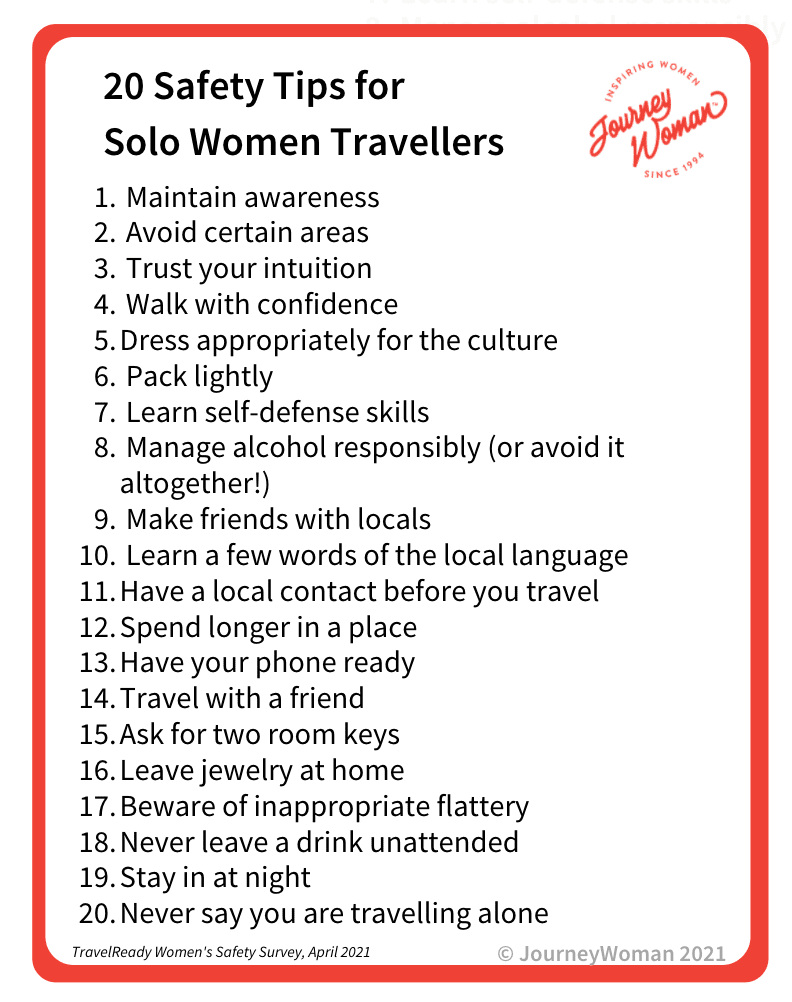
Handling social interactions is a big part of solo travel. Meeting new people can bring joy and new experiences. It also requires careful attention to safety. Knowing how to interact wisely keeps your journey fun and secure. Below are key tips to manage social moments well.
Meeting New People Safely
Start with a smile and simple greetings. Choose public places like cafes or parks to meet strangers. Avoid sharing too much personal information early on. Trust your feelings; if something feels wrong, step back. Use group tours or classes to meet travelers and locals safely.
Setting Boundaries
Be clear about your comfort levels from the start. Say “no” firmly when needed. Respect your own limits about time, space, and topics. Politely end conversations if you feel uneasy. Setting boundaries helps keep control and respect in social situations.
Avoiding Scams And Fraud
Watch out for deals that seem too good. Do not accept help from strangers with money or documents. Keep your valuables close and secure at all times. Learn common local scams before traveling. Stay alert and ask locals or staff if unsure about offers or requests.
Health And Wellbeing
Traveling alone is exciting but can be tiring. Keeping your health and wellbeing strong helps you enjoy every moment. Simple habits can keep your body and mind ready for new adventures. Focus on what you eat, how you rest, and how you handle stress. These tips help you stay safe and feel good throughout your trip.
Staying Hydrated And Nourished
Drink water often to avoid dehydration. Carry a refillable water bottle to keep water close. Eat regular meals with fruits, vegetables, and proteins. Avoid too much junk food or heavy meals. Healthy eating gives energy and keeps your body strong. Snack on nuts or seeds for quick energy between meals.
Managing Stress On The Road
Travel can bring unexpected challenges and stress. Take deep breaths to calm your mind. Find quiet places to relax for a few minutes. Keep a journal to write your thoughts and feelings. Exercise lightly, like walking or stretching, to relieve tension. Rest well by sleeping enough each night.
Accessing Medical Help
Know where local clinics or hospitals are near you. Carry a basic first aid kit for small injuries. Have your health insurance information ready and easy to find. Learn key phrases in the local language about your health needs. Don’t ignore signs of illness—seek help early to avoid problems.

Dealing With Emergencies
Traveling alone is exciting but can be risky. Emergencies may happen anytime. Being ready helps you stay safe and calm. Knowing what to do in tough situations keeps problems smaller and easier to handle.
Emergency Action Plans
Create a clear emergency plan before traveling. Write down important phone numbers and addresses. Share your plan with a trusted friend or family member. Know your hotel’s emergency exits and local hospital locations. Practice how to stay calm and act fast during a crisis.
Using Safety Apps
Download safety apps on your phone. These apps can send your location to friends or alert authorities. Some apps have panic buttons for quick help. Keep your phone charged and ready. Use apps to check safe routes and avoid risky areas.
Contacting Local Authorities
Learn the emergency numbers of the country you visit. Save them in your phone for quick access. Speak clearly and calmly when calling. Give your exact location and describe the problem. Trust local police and emergency workers to help you fast.
Frequently Asked Questions
What Are The Top Safety Tips For Solo Travelers?
Always research your destination thoroughly before traveling. Share your itinerary with someone you trust. Avoid risky areas and stay alert. Keep important documents secure and carry a basic first aid kit. Use reliable transportation and trust your instincts to stay safe.
How Can Solo Travelers Stay Connected Safely Abroad?
Use local SIM cards or international plans for communication. Inform family or friends about your whereabouts regularly. Avoid sharing location details publicly on social media. Use secure Wi-Fi networks and VPNs to protect your data while traveling.
What Precautions Should Solo Travelers Take At Night?
Avoid walking alone in poorly lit or unfamiliar areas. Use trusted transportation options like licensed taxis or rideshare apps. Stay in well-reviewed accommodations with good security. Always keep your phone charged and emergency contacts accessible at night.
How To Protect Belongings While Traveling Solo?
Carry only essential items and avoid flashy accessories. Use anti-theft bags or money belts to secure valuables. Keep copies of important documents separately. Stay vigilant in crowded places and never leave belongings unattended.
Conclusion
Solo travel can be safe and fun with smart planning. Stay alert and trust your instincts at all times. Keep your belongings secure and share your plans with someone. Know local customs and follow rules to avoid trouble. Use well-known transport and avoid risky areas, especially at night.
Stay connected with family or friends regularly. Enjoy your trip with confidence and care. Safe travels make great memories.