

Choosing the right backpack for school might seem simple, but picking the perfect size can make all the difference for your comfort and health. Have you ever felt your backpack digging into your shoulders or noticed it hanging too low on your back?
That’s usually a sign it’s not the right fit. Whether you’re shopping for yourself or your child, knowing what size backpack to get can help prevent strain and keep your belongings organized. You’ll discover easy tips to find a backpack that fits just right—so you can carry your school essentials comfortably every day.
Keep reading to learn how to choose the ideal size and make your school days lighter and more enjoyable!
Backpack Sizes By Grade
Choosing the right backpack size depends on the student’s grade level. Each grade needs a different size backpack to carry books and supplies comfortably. A well-sized backpack prevents back pain and makes school days easier. Below is a guide for backpack sizes by grade.
Preschool And Kindergarten
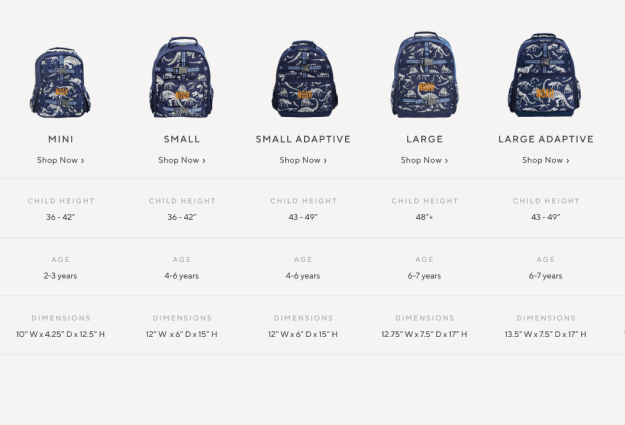
Backpacks for preschool and kindergarten should be small and lightweight. A 10 to 12-inch backpack fits their smaller bodies. These backpacks hold a few items like snacks, a change of clothes, and a favorite toy. Look for padded straps to protect their shoulders.
Elementary School
Elementary students need backpacks between 12 and 16 inches. This size fits folders, lunch boxes, and some books. Backpacks with multiple compartments help organize school supplies. Adjustable straps and a padded back support comfort during long school days.
Middle School
Middle school backpacks should be 16 to 18 inches tall. Students carry more books, notebooks, and possibly a tablet or laptop. Choose a backpack with sturdy construction and good weight distribution. A padded laptop sleeve is helpful for tech devices.
High School
High schoolers need larger backpacks, about 18 to 20 inches. They carry heavy textbooks, binders, and electronics daily. Look for backpacks with wide, padded straps and a strong frame. Extra pockets and compartments help keep items organized and easy to find.
Measuring For The Right Fit
Choosing the right backpack size starts with proper measurements. A backpack that fits well supports your back and shoulders. It also helps carry books and supplies without causing pain. Measure key parts of the body to find a backpack that matches your frame. Focus on back length, torso width, and strap adjustments. These measurements ensure comfort and balance during daily use.
Back Length
Back length is the distance from the base of the neck to the waist. Use a soft tape measure along the spine. Start at the top of the shoulder blades and end at the waistline. The backpack should not extend below this point. A backpack that fits this length sits snugly and avoids strain on your lower back.
Torso Width
Measure the torso width across the upper back. This helps find a backpack that is not too wide or narrow. A pack wider than your torso causes imbalance. A narrow one feels tight and uncomfortable. Choose a backpack with a width close to your torso size for better support.
Strap Adjustments
Straps must adjust to fit your body shape. Check for padded shoulder straps that can tighten or loosen easily. Proper adjustments keep the backpack close to your back. This prevents it from swinging or pulling on your shoulders. Adjustable straps also help spread the weight evenly to avoid pressure points.
Volume And Dimensions
Choosing the right backpack for school depends heavily on its volume and dimensions. These two factors affect how much the backpack can hold and how comfortable it will be to carry. Understanding the ideal capacity and typical size can help find a backpack that fits well and meets daily needs.
Ideal Capacity In Liters
Backpack volume is measured in liters. It shows the total space inside the bag. For elementary school kids, 15 to 20 liters is usually enough. Middle school students often need between 20 and 30 liters. High schoolers and college students may require 30 to 40 liters or more. The right size depends on how many books and supplies are carried daily.
A larger volume allows for more items but can also add weight. Choose a backpack that fits what the student needs without being too bulky. This helps avoid back strain and keeps the load manageable.
Typical Backpack Dimensions
Backpack dimensions refer to its height, width, and depth. Most school backpacks range from 16 to 20 inches tall. The width usually falls between 12 and 14 inches. Depth varies from 5 to 8 inches. These measurements help ensure the bag fits the wearer’s back comfortably.
A backpack should not be wider than the wearer’s torso. It also should not hang below the waistline. Proper dimensions keep the weight close to the body and reduce strain on shoulders and back. Measuring the student’s height and torso length helps pick the right size.


Ergonomic Features
Choosing a school backpack with ergonomic features helps protect your child’s health. It makes carrying books and supplies easier and safer every day. Ergonomic design reduces strain on muscles and joints. This support encourages better posture and comfort during long school days.
Padded Shoulder Straps
Padded shoulder straps soften pressure on the shoulders. They prevent pain and discomfort from heavy loads. Wide straps spread the weight evenly and avoid digging into the skin. Adjustable straps ensure a snug fit, keeping the backpack stable. Look for thick padding made from soft, breathable material. It increases comfort and reduces sweat buildup.
Back Support
Back support helps maintain the natural curve of the spine. Many backpacks include a padded back panel for extra cushioning. This padding protects the back from sharp edges inside the bag. Some models have mesh panels that increase airflow. Good back support prevents slouching and reduces fatigue. It encourages a healthy posture during use.
Weight Distribution
Proper weight distribution keeps the backpack balanced on the body. Compartments inside the backpack help organize and spread items evenly. Heavy items should sit close to the back to avoid pulling forward. A waist or chest strap adds stability and distributes weight across the torso. Balanced weight reduces strain on shoulders and back muscles.
Weight Guidelines
Choosing the right backpack size for school goes beyond just fitting books and supplies. Weight plays a crucial role in comfort and health. Following weight guidelines helps protect young backs from strain and pain. Carrying too much weight can lead to poor posture and long-term issues. Understanding how much weight a child should carry is essential for selecting the best backpack size.
Recommended Load Limits
Experts suggest a backpack should not exceed 10-15% of a child’s body weight. For example, a child weighing 80 pounds should carry no more than 8 to 12 pounds. Keeping the load light reduces fatigue and prevents muscle strain. It also allows kids to move easily and maintain balance. Parents and teachers should regularly check the backpack weight to ensure it stays within safe limits.
Impact On Posture
Heavy backpacks can cause children to lean forward or to one side. This imbalance stresses the spine and muscles, leading to poor posture. Over time, it may cause back, neck, and shoulder pain. Proper backpack weight helps maintain a natural and healthy posture. Choosing the right size backpack supports even weight distribution and encourages standing tall. Teaching children to pack only essentials also helps protect their posture.
Materials And Durability
Choosing the right backpack for school means paying attention to materials and durability. A strong backpack lasts longer and protects your books and supplies. Durable materials handle daily wear and tear. Quality fabrics keep the bag lightweight yet tough. Stitching and special features add extra strength. These factors help decide the best backpack size and style for school use.
Lightweight Fabrics
Backpacks made from lightweight fabrics reduce the load on your back. Nylon and polyester are popular choices. These materials do not weigh much but offer good strength. Lightweight fabrics make carrying easier for students. The bag stays comfortable, even when full of books.
Water Resistance
Water-resistant backpacks protect belongings from rain and spills. Coated fabrics or special treatments keep water out. This feature is important for protecting electronics and papers. Water resistance increases the bag’s usefulness in all weather. It helps keep school items dry and safe.
Reinforced Seams
Strong seams prevent backpacks from tearing under heavy loads. Reinforced stitching at stress points adds durability. Areas like shoulder straps and bottom corners need extra strength. Backpacks with double or triple stitching last longer. Reinforced seams ensure the bag can handle daily use.
Special Features To Consider
Choosing the right backpack size is important, but special features matter too. These features make the backpack more useful and comfortable. Some add safety, while others protect important items. Picking a backpack with the right features helps students carry their school items easily and safely.
Laptop Compartments
A padded laptop compartment protects your device from damage. It keeps the laptop secure and separate from books and papers. This feature is important for students who carry laptops daily. It prevents scratches and absorbs shocks during travel.
Multiple Pockets
Multiple pockets help organize school supplies efficiently. Small pockets are perfect for pens, calculators, and keys. Larger pockets hold notebooks, folders, and lunch boxes. With many pockets, students find items quickly without digging through the bag.
Reflective Elements
Reflective elements increase visibility in low light. They make students safer when walking near roads or crossing streets. These elements reflect light from cars or street lamps. Backpacks with reflective strips or patches help parents feel assured about safety.


Tips For Choosing The Perfect Backpack
Choosing the perfect backpack for school is more than picking a cool design. It must fit well and be comfortable. A good backpack supports the back and holds all school supplies without being too heavy. Follow these tips to find the best backpack size and style for school.
Try Before You Buy
Always try the backpack on before buying. Wear it with some weight inside to feel how it sits on the shoulders and back. Walk around to check comfort and balance. A backpack that feels good in the store will feel better during the school day.
Adjustability Options
Look for backpacks with adjustable straps and features. Shoulder straps should be padded and easy to tighten or loosen. A chest strap can add stability. Some backpacks also have adjustable back lengths for a better fit. These options help keep the backpack snug and reduce strain.
Style And Personal Preference
Choose a backpack style that suits personal taste and school rules. Kids want a backpack that looks nice and feels good. Pick colors and patterns they like to boost confidence. A backpack that fits the student’s style is used with pride and care.

Frequently Asked Questions
What Is The Standard Size For A School Backpack?
The standard school backpack size ranges from 16 to 20 inches in height. Choose one fitting the child’s torso without extending below the waist. Aim for 20 to 30 liters in volume to hold books and supplies comfortably. Ensure it has adjustable, padded straps for proper support.
Is A 16 Inch Backpack Big Enough For School?
A 16-inch backpack suits younger students with minimal supplies. It fits small books and a tablet but may not hold larger textbooks or laptops. For older students, a bigger size often works better. Choose based on needed items and comfort to avoid strain.
How Big Should A Backpack Be For A 7 Year Old?
A backpack for a 7-year-old should hold 10-15 liters, measure about 12-15 inches tall, and fit snugly against their back. Choose lightweight models with adjustable padded straps for comfort and proper weight distribution. Avoid bags wider than their torso or hanging below the waist.
Is A 17 Inch Backpack Too Big For Kindergarten?
A 17-inch backpack is generally too big for kindergarten kids. Choose smaller, lighter packs that fit their torso and waist comfortably.
Conclusion
Choosing the right backpack size helps keep kids comfortable and organized. A backpack should fit the child’s body well and not be too heavy. Look for adjustable straps and lightweight materials for ease. Make sure the bag can hold all school supplies without causing strain.
Proper size protects the child’s back and supports good posture. Remember, a well-fitted backpack makes school days easier and more enjoyable. Select a size that grows with your child for long-term use. This simple step ensures health and convenience every school year.