

Have you ever noticed how heavy your child’s school bag feels at the end of the day? That weight can affect their posture, energy, and even their mood.
You might wonder, what’s the right limit to keep their school bag safe and comfortable? Understanding the recommended weight for young children’s school bags is more important than you think. You’ll discover simple guidelines to protect your child’s health and make their school days easier.
Keep reading to learn how a small change can make a big difference for your child’s well-being.
Ideal Weight Limits
Knowing the ideal weight limit for school bags is important for young children. Carrying heavy bags can cause pain and affect their posture. Setting the right weight helps keep children healthy and comfortable during school days.
Age-based Recommendations
Experts suggest different weight limits based on a child’s age. For children aged 5 to 8 years, the bag should weigh no more than 10% of their body weight. Kids aged 9 to 12 years can carry bags up to 15% of their body weight. Older children might handle slightly heavier bags but still need to be careful.
Percentage Of Body Weight
Using body weight as a guide is the safest method. The general rule is that a school bag should not exceed 10 to 15% of the child’s body weight. This limit helps reduce the risk of back pain and muscle strain. Parents can easily check this by weighing their child and calculating the bag’s weight.
Variations By Health Experts
Some health professionals recommend even lower limits for younger children. They suggest keeping the bag weight at 5 to 10% of body weight for kids under 8 years old. Others focus on how the bag fits and is carried, advising backpacks with padded straps and two shoulder use. These variations help tailor the advice to each child’s needs.

Risks Of Heavy Bags
Heavy school bags can cause many problems for young children. Carrying too much weight harms their bodies in different ways. It affects their muscles, bones, and overall health. Understanding these risks helps parents and teachers keep children safe and healthy.
Physical Strain And Injuries
Heavy bags put extra pressure on children’s muscles. This pressure causes muscle pain and tiredness. Kids may feel sore shoulders and backs after carrying heavy loads. Carrying weight unevenly leads to sprains and strains. Sometimes, kids might fall due to heavy bags. These injuries slow down their daily activities.
Impact On Posture
Heavy bags make children lean forward or sideways. This poor posture strains the spine and muscles. Over time, bad posture becomes a habit. It leads to rounded shoulders and curved backs. Children may develop pain in their neck and upper back. Good posture is harder to maintain with a heavy bag.
Long-term Health Concerns
Carrying heavy bags regularly affects children’s growth. It may cause spine problems later in life. Long-term back pain starts from early bad habits. Some children develop scoliosis or uneven shoulders. Heavy bags also reduce energy and concentration at school. Protecting young children from heavy bags is essential.

Choosing The Right Bag
Choosing the right school bag is important for young children. It helps protect their backs and keeps them comfortable. A good bag fits their body and holds only what they need. The right choice supports healthy posture and avoids strain.
Bag Size And Design
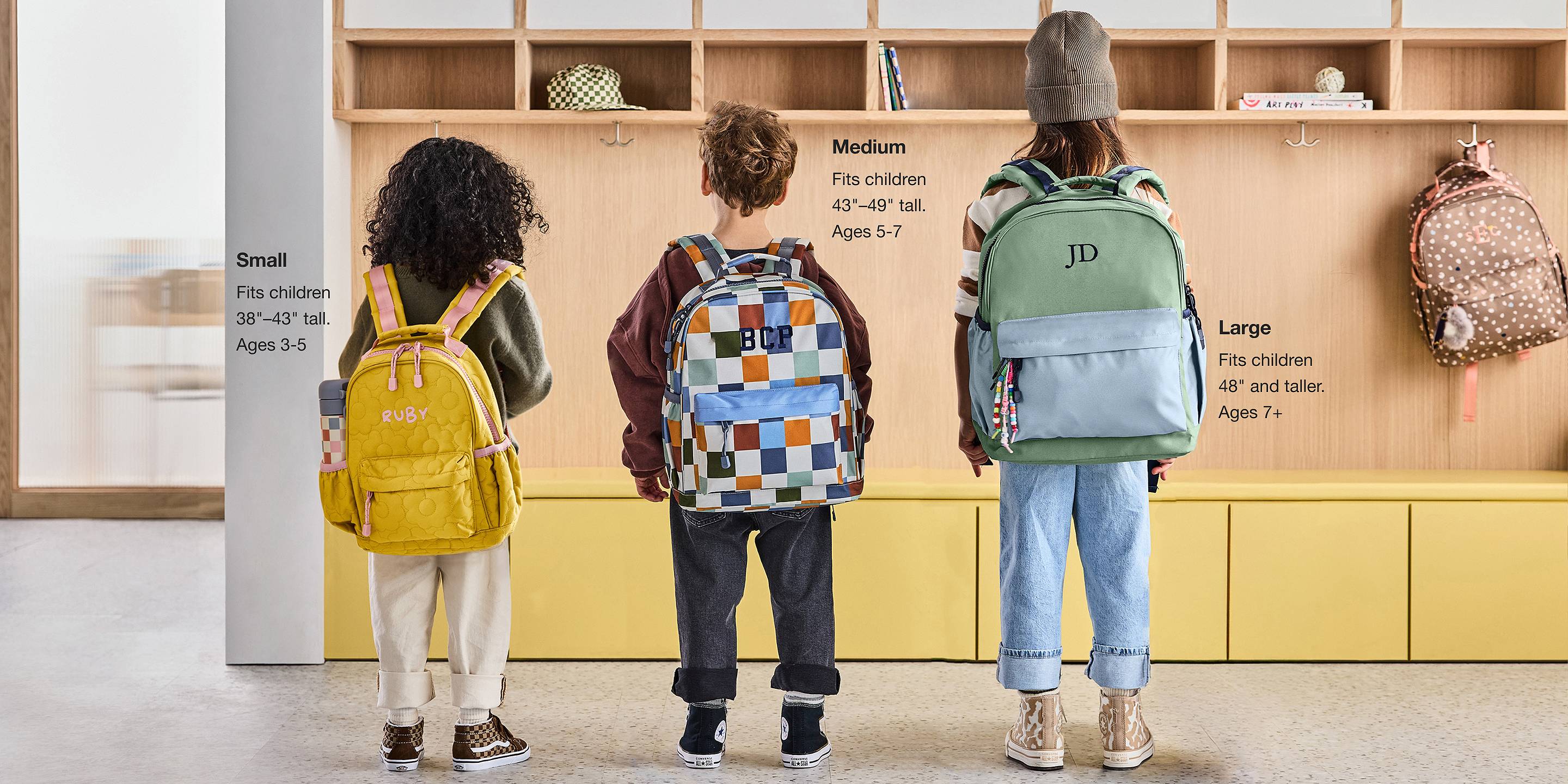
The bag should match the child’s size. Too big or too small bags cause discomfort. Choose a bag that fits their height and weight. The design should be simple and easy to open. Multiple compartments help organize books and supplies.
Material And Padding
Look for bags made from light, strong materials. Heavy materials add unnecessary weight. Padding on the back and straps adds comfort. Soft padding prevents pressure on shoulders and spine. Water-resistant material keeps belongings dry during rain.
Ergonomic Features
Ergonomic bags reduce stress on young bodies. Wide, padded straps spread weight evenly. Adjustable straps allow a snug fit. A padded back supports the spine. Bags with waist or chest straps improve balance and reduce shoulder load.

Packing Tips
Packing a school bag for young children needs careful thought. The right packing keeps the bag light and balanced. It helps children carry their bags comfortably every day. Here are some simple tips to pack school bags effectively.
Prioritizing Essentials
Choose only what is necessary for the school day. Books, notebooks, and lunch are must-haves. Avoid packing toys or extra items that add weight. Check the school schedule to pack only needed materials. This keeps the bag lighter and easier to carry.
Organizing Weight Distribution
Place heavier items close to the child’s back. This reduces strain and improves balance. Lighter items go towards the front or top of the bag. This method helps the child walk with better posture. Proper weight distribution prevents discomfort and injury.
Using Multiple Compartments
Use all compartments to spread out the load evenly. Keep books in one section and lunch in another. Small pockets can hold pencils, erasers, and other supplies. This organization stops items from clumping together. It makes the bag easier to handle and protects the contents.
Parental And School Roles
Parents and schools share a big role in keeping children’s school bags light. Both must work to protect children from back pain and strain. Together, they create a safer and healthier school day.
Monitoring Bag Weight
Parents should check their child’s bag weight regularly. Use a kitchen scale or a bathroom scale to weigh the bag. Bags should not weigh more than 10-15% of the child’s body weight. Schools can help by reminding parents to check weights often. Teachers can spot heavy bags during class and alert parents.
Educating Children
Children need to know why heavy bags can hurt them. Parents can teach kids to pack only what is needed each day. Schools can hold lessons about packing light and organizing books. Kids learn to carry their bags properly, using both shoulder straps. Simple habits reduce pain and keep kids comfortable.
School Policies On Bag Weight
Schools should set clear rules about bag weight limits. Policies can include locker use or digital books to lessen load. Some schools offer backpacks with wheels as an option. Teachers and staff can enforce these rules daily. School policies help parents and children follow healthy practices.
Alternative Solutions
Managing the weight of school bags is important for young children. Too much weight can cause pain and tiredness. Schools and parents can use different ways to reduce the load. These alternative solutions help keep bags light and children healthy.
Digital Textbooks
Digital textbooks reduce the need for heavy books. Children can use tablets or computers to read lessons. This method saves space and weight in the school bag. It also makes it easy to carry many subjects in one device.
Locker Use
Lockers provide a place to store books at school. Children can keep their heavy books in lockers. They only carry what they need for each class. This cuts down the weight they carry all day.
Scheduled Book Exchanges
Scheduled book exchanges allow children to swap books during the day. They pick up books for the next class and leave the old ones. This reduces the number of books they carry at once. It helps keep bags lighter and easier to handle.


Frequently Asked Questions
What Is The Ideal School Bag Weight For Young Children?
The ideal school bag weight for young children should not exceed 10-15% of their body weight. This helps prevent back pain and posture issues. Keeping the bag light supports healthy growth and reduces strain during daily commutes.
How Does Heavy School Bag Affect Children’s Health?
Heavy school bags can cause back pain, shoulder strain, and poor posture in children. Over time, this can lead to spinal problems and muscle fatigue. Limiting bag weight helps maintain proper alignment and overall physical health.
What Items Should Be Included To Keep School Bags Light?
Only essential items like books, lunchboxes, and stationery should be carried. Avoid unnecessary heavy objects and use lightweight materials for bags. Organizing contents efficiently helps reduce weight and makes carrying easier for young children.
How Can Parents Ensure Their Child’s Bag Is Not Too Heavy?
Parents should regularly check the bag’s weight and contents. Encourage children to carry only what they need for the day. Using lockers or digital textbooks can minimize the number of items carried daily.
Conclusion
Keeping school bags light helps protect children’s health and comfort. Experts suggest bags weigh no more than 10-15% of a child’s body weight. Heavy bags can cause back pain and posture problems. Parents and teachers should check bag weight regularly.
Choosing bags with good support and packing only essentials makes a big difference. Small changes can keep kids happy and healthy at school. Remember, a light bag means a lighter load for growing bodies.