

Lightweight School Bags Benefits for Child Health: Essential Insights 2026
Is your child’s school bag causing more harm than good? Carrying a heavy backpack can silently affect your child’s posture, spine health, and overall comfort throughout the school day.
But there’s a simple solution that can make a big difference: lightweight school bags. By choosing a lighter bag, you’re not just easing their load—you’re protecting their developing body and boosting their confidence. You’ll discover how lightweight school bags benefit your child’s health and why making this switch is one of the smartest choices you can make for their well-being.
Keep reading to learn how a small change can lead to a healthier, happier school experience for your child.

Health Risks Of Heavy Bags
Heavy school bags pose serious health risks for children. Carrying too much weight strains their growing bodies. This can lead to long-term damage if not addressed early. Understanding these risks helps parents and teachers choose better, lighter bags for kids.
Posture Changes And Kyphosis
Heavy bags make children lean forward to balance weight. This posture change strains the lower back. Over time, it can cause kyphosis, a condition with a hunched upper back. Kyphosis affects spine shape and can cause pain and discomfort.
Muscle Strain And Fatigue
Carrying heavy bags forces neck, shoulder, and back muscles to work harder. These muscles become tired and sore quickly. Fatigue makes it harder for children to focus in class. Muscle strain can also lead to tension headaches and stiffness.
Spinal Disc Compression
Extra weight compresses spinal discs, the cushions between vertebrae. Compression causes pain, numbness, or tingling in arms or legs. This pressure may harm spine development in growing children. It can lead to chronic back problems later in life.
Effects Of Uneven Loading
Carrying a bag on one shoulder causes uneven loading. This leads to leaning and muscle imbalances. Uneven weight affects spine alignment and posture. It increases the risk of falls and injuries during walking or climbing stairs.
Benefits Of Lightweight Bags
Choosing lightweight school bags offers many health benefits for children. These bags reduce the burden on their bodies. Light bags help prevent pain and discomfort during daily school activities. Children can carry their belongings more easily and safely.
Lightweight bags support healthier habits in growing kids. They encourage good posture and ease movement. This helps children stay active and comfortable throughout the school day.
Reduced Back And Shoulder Strain
Light bags place less pressure on the back and shoulders. This reduces muscle strain and soreness. Kids do not have to hunch or lean forward to carry heavy loads. It lowers the chance of developing long-term pain or discomfort.
Improved Posture Support
Carrying a light bag helps maintain a natural spine curve. Children stand and walk straighter without extra weight pulling them down. Good posture supports healthy spine growth and prevents bad habits. This builds a strong foundation for future health.
Enhanced Mobility And Balance
Lightweight bags improve a child’s balance and movement. They can walk, run, and climb stairs safely. Heavy bags can throw off balance and increase the risk of falls. With a light bag, kids feel more confident and agile.
Lower Risk Of Injury
Heavy school bags increase the risk of slips and falls. They can cause muscle strains and joint pain. Light bags reduce these risks by lessening the load. Children avoid accidents and injuries that could affect their daily life.
Choosing The Right School Bag
Choosing the right school bag plays a key role in protecting a child’s health. A well-chosen bag prevents strain and injury. It supports good posture and makes daily carrying easier. Parents and teachers should focus on size, weight, and comfort. The right bag helps children feel confident and safe.
Importance Of Proper Fit
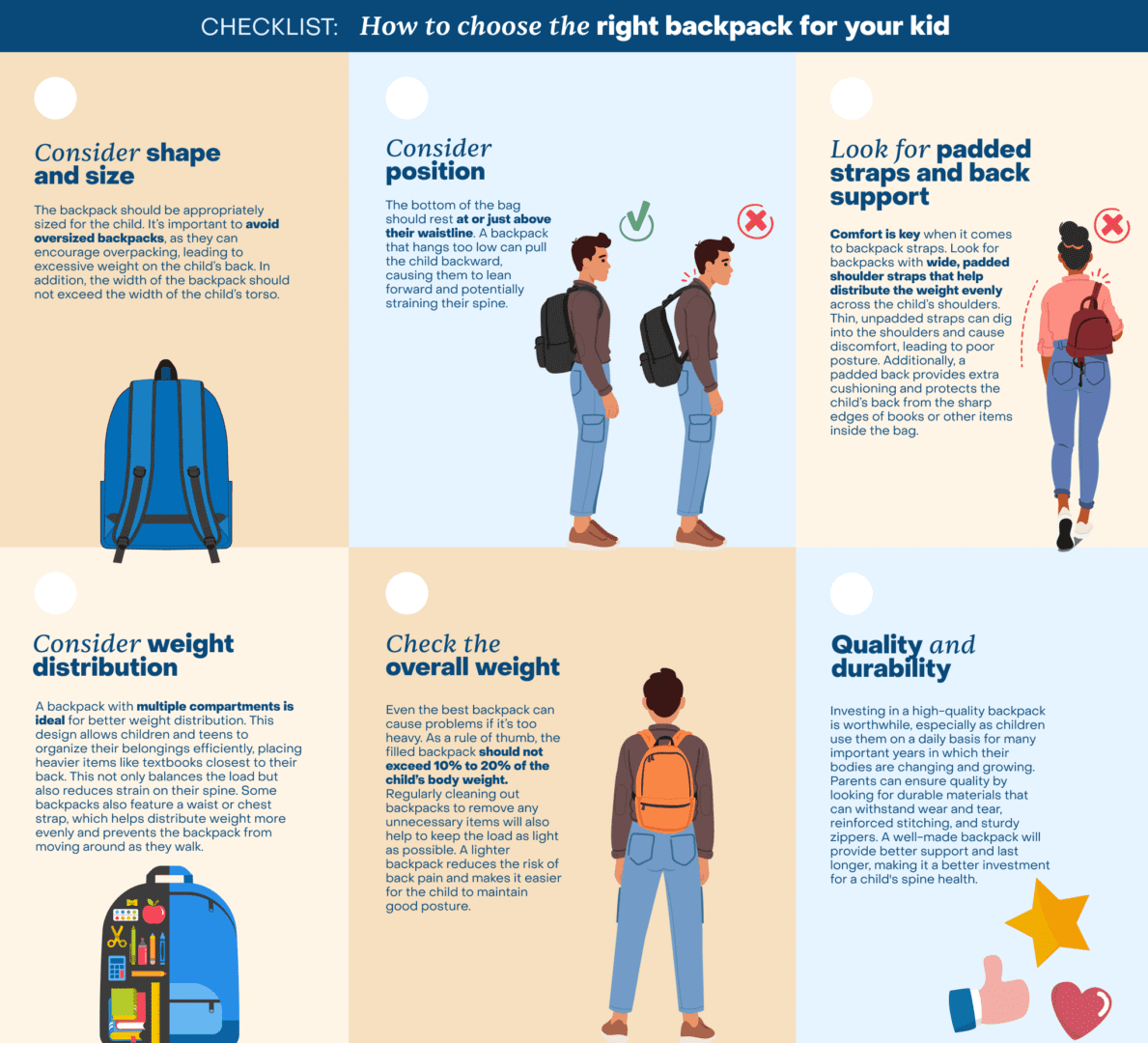
A school bag must fit the child’s body properly. Straps should be adjustable and padded for comfort. The bag should sit close to the back. A loose or too tight bag can cause muscle strain. Correct fit reduces pressure on the shoulders and spine. It also helps children carry their books without pain.
Features To Look For
Choose bags with wide, padded shoulder straps. Look for a padded back panel for extra support. Multiple compartments help organize books and supplies. Reflective strips increase visibility and safety. A chest or waist strap can distribute weight better. These features improve comfort and reduce health risks.
Weight Limits For Children
Children should carry no more than 10-15% of their body weight. Heavy bags cause back pain and affect growth. Light bags reduce fatigue and improve balance. Teach children to pack only what they need. Regular checks ensure the bag weight stays safe. Keeping the load light protects their developing bodies.
Material And Durability
Choose bags made from lightweight but strong materials. Durable fabrics resist wear and tear from daily use. Water-resistant materials protect books from rain. A sturdy bag lasts longer and keeps contents safe. Lightweight materials reduce the overall load. Durable bags offer better value and protect child health.


Packing Tips For Kids
Packing school bags properly helps protect children’s health. It reduces strain on their backs and shoulders. Teaching kids smart packing habits builds good lifelong habits. These tips guide parents and children on how to pack bags safely.
Distributing Weight Evenly
Place heavy items close to the back. Use both shoulder straps to balance weight. Avoid carrying all weight on one side. This helps keep a straight posture. It reduces muscle strain and back pain.
Prioritizing Essential Items
Pack only what is needed for the day. Leave extra books and supplies at home. Carry snacks, water, and homework first. This keeps the bag light and manageable. It helps children avoid carrying unnecessary weight.
Organizing For Accessibility
Use compartments to separate items. Keep frequently used things easy to reach. This saves time and avoids mess inside the bag. Kids can find what they need quickly. It encourages independence and good habits.
Avoiding Overpacking
Check the bag before leaving home. Remove items not needed for school. Avoid filling the bag with toys or extras. Overpacking adds unnecessary weight and strain. A light bag helps children move safely and comfortably.
Encouraging Healthy Habits
Encouraging healthy habits in children starts with simple actions related to their school bags. Lightweight school bags help children carry their belongings without strain. Teaching good habits early reduces the risk of back pain and posture problems. These habits also promote comfort and confidence during the school day.
Using Both Shoulder Straps
Children should always use both shoulder straps when carrying their bags. This balances the weight evenly across their back. Carrying a bag on one shoulder can cause muscle strain and poor posture. Using both straps prevents leaning and helps maintain spine alignment.
Regularly Adjusting Straps
Straps must be adjusted regularly to fit the child’s size. A bag that hangs too low or rides too high can cause discomfort. Proper adjustment keeps the bag close to the body and reduces pressure on the shoulders. Teach children to check and adjust their straps often.
Taking Breaks And Resting
Encourage children to take breaks from carrying their bags during long walks. Setting the bag down for a short rest eases muscle tension. Frequent breaks prevent fatigue and reduce the chance of injury. Resting also helps children stay alert and focused.
Promoting Independence In Packing
Let children pack their bags on their own with guidance. This helps them learn to organize and prioritize their items. Lightweight bags make it easier for children to carry what they need. Independence in packing builds responsibility and reduces overloading the bag.


Frequently Asked Questions
What Advantages Do Children Get By Carrying Bags With Them?
Carrying bags teaches children responsibility and organization. It boosts independence, decision-making, and helps them prioritize belongings effectively.
Do Heavy Backpacks Impact Spine Growth Or Health?
Heavy backpacks can strain muscles and alter posture, risking back pain and spinal issues. Use both straps and pack light to protect spine health.
Is It Bad For Kids To Carry Heavy Backpacks?
Carrying heavy backpacks can strain kids’ muscles and spine, causing pain and posture problems. Use both straps and pack light.
Can A Heavy Backpack Cause Back Problems?
Yes, carrying a heavy backpack strains muscles, alters posture, and compresses spinal discs, causing back pain and discomfort.
Conclusion
Choosing lightweight school bags helps protect children’s backs and posture. Light bags reduce muscle strain and prevent spinal pain. Kids carry their bags more comfortably and safely. Using both straps and packing smartly supports a healthy spine. Parents and teachers should encourage lighter loads daily.
Healthy habits start with simple choices like bag weight. Children grow stronger when they avoid unnecessary strain. Lighter bags make school days easier and more enjoyable. Small changes lead to big benefits for child health.