

Choosing the right tote bag can feel overwhelming when you don’t know how much it can actually hold. You might wonder: Will it fit your laptop, groceries, or gym gear?
Or is it too big and bulky for everyday use? Understanding tote bag capacity is key to making the perfect choice that fits your lifestyle. In this guide, you’ll discover clear, simple tips to measure and compare tote bags so you know exactly what you’re getting.
By the end, you’ll feel confident picking a tote that matches your needs without any guesswork. Ready to find your ideal tote bag size? Let’s dive in!
Tote Bag Sizes
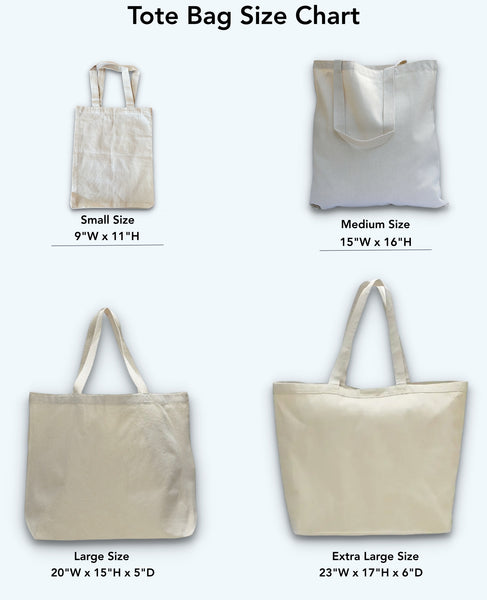
Tote bags come in various sizes to fit different needs. Choosing the right size helps carry your essentials comfortably. Sizes typically range from small to large. Each size offers distinct dimensions and capacity. Understanding these sizes makes selecting easier and smarter.
Small Tote Dimensions
Small totes usually measure about 10 to 12 inches wide. Their height ranges from 8 to 10 inches. Depth is around 3 to 4 inches. These bags hold between 5 and 12 liters. Perfect for carrying light items like a wallet, phone, and keys.
Medium Tote Dimensions
Medium totes are roughly 13 to 15 inches wide. Height is about 11 to 13 inches. Depth varies between 5 to 6 inches. Their capacity ranges from 15 to 25 liters. Suitable for books, small laptops, or groceries.
Large Tote Dimensions
Large totes measure 16 to 20 inches in width. Height typically ranges from 14 to 16 inches. Depth can be 6 to 8 inches. These hold 30 to 50 liters or more. Ideal for work, travel, or carrying bulky items.
Capacity By Volume
Understanding tote bag capacity by volume helps you pick the right size for your needs. Volume shows how much space is inside the bag. It measures the total space your items will take up. Volume is often shown in liters or cubic inches. These numbers give a clear idea of how much you can carry comfortably.
Liters And Cubic Inches
Liters and cubic inches are common units for volume. One liter equals 1,000 cubic centimeters. Cubic inches measure space inside in three dimensions. Tote bags usually range from 5 to 50 liters. A 10-liter tote fits daily essentials like a wallet and phone. Larger totes of 30 liters or more hold groceries or books. Knowing these units makes comparing bags easier.
Weight Limits
Tote bags also have weight limits. These depend on material and handle strength. Canvas totes can hold 10 to 15 pounds safely. Lightweight totes may hold less, around 5 to 8 pounds. Overloading can tear the bag or strain your shoulder. Check the weight limit before packing heavy items. Balance volume and weight for best use.
Common Use Cases
Small totes (5-12 liters) work for quick errands or carrying lunch. Medium totes (15-25 liters) fit books, tablets, or gym clothes. Large totes (30-50 liters) serve well for beach trips or shopping. Choose your tote size based on what you carry daily. Volume guides help avoid carrying too much or too little. Select a tote that matches your lifestyle and tasks.
Choosing The Right Tote
Choosing the right tote bag depends on your daily needs and lifestyle. Size and capacity must match your activities. Picking a tote too small or too large can cause inconvenience. Understanding common tote sizes helps you select the perfect bag. Consider what you carry most often and where you go. This guide breaks down options for daily use, travel, work, and events.
Daily Use Options
Small to medium totes work best for daily use. They hold essentials like wallet, phone, keys, and a water bottle. Sizes between 10 to 20 liters fit comfortably without being bulky. Choose lightweight bags with sturdy handles for easy carrying. Canvas and nylon totes offer durability and style for everyday errands.
Travel And Work Totes
Large totes suit work and travel needs. They fit laptops, notebooks, lunch boxes, and chargers easily. Totes with 25 to 40 liters capacity provide enough space for daily office supplies. Travel totes often include extra pockets for passports and tickets. Look for bags with secure closures and comfortable straps for longer use.
Event And Stadium Approved Sizes
Many stadiums and events limit tote bag sizes for security. Approved totes usually measure no larger than 12 by 6 by 12 inches. These small bags hold just essentials like phone and wallet. Choose clear or mesh totes to meet venue rules. Compact totes make entry faster and keep your hands free during events.

Measuring Tote Bags
Measuring tote bags helps understand their true capacity. Proper measurements ensure you pick the right size for your needs. Focus on length, width, height, handle and strap sizes, and internal compartments. Each aspect affects how much you can carry and how comfortable the bag feels.
Length, Width, Height
Length is the longest side of the tote bag. It shows how wide the bag is across. Width is the shorter side, showing the depth of the bag. Height measures from the base to the top edge. These three dimensions combined give the total volume of the tote.
Check these measurements carefully. They determine how many items fit inside. Larger numbers mean more space but a bigger bag.
Handle And Strap Sizes
Handle length affects how you carry the tote. Short handles fit over hands or forearms. Longer straps allow shoulder or crossbody wear. Strap width matters for comfort. Wider straps spread the weight better.
Measure handles from end to end. This helps know if they fit your carrying style. Also, check if straps are adjustable for more flexibility.
Internal Compartments
Compartments organize your items inside the tote. Small pockets keep keys and phones handy. Larger sections hold books or groceries. Some totes have zippered compartments for extra security.
Measure compartment sizes to see what fits best. Well-designed compartments improve usability and protect belongings.
Packing Strategies
Packing a tote bag efficiently helps you carry more without bulk or mess. Using smart strategies maximizes the space and keeps items easy to find. Proper packing also balances the load, making the bag comfortable to carry all day.
Maximize Vertical Space
Stack items vertically to use the full height of your tote. Place flat things like books or tablets at the bottom. Add softer items such as clothes or scarves on top. This method saves room and prevents crushing delicate things.
Organize With Pouches
Small pouches keep tiny items in one spot. Use separate pouches for makeup, chargers, or snacks. This stops things from spilling or getting lost inside the tote. Label pouches if needed to find what you want quickly.
Distribute Weight Evenly
Place heavier items close to the center of the tote. Spread weight on both sides to avoid strain on one shoulder. Balance keeps the tote stable and easier to carry. This also protects your back and shoulders from discomfort.

Material Impact On Capacity
The material of a tote bag plays a key role in its capacity. It affects how much the bag can hold and how it behaves under weight. Different materials offer various strengths and weaknesses. These differences impact the bag’s size, shape, and durability over time.
Choosing the right material helps you pick a tote that fits your needs. Some fabrics stretch more, allowing extra space. Others stay firm but limit expansion. Understanding these traits makes it easier to find a tote with the right capacity.
Canvas Vs Leather
Canvas totes usually have a larger capacity. The fabric is thick but flexible. It can stretch slightly, fitting bulky items better. Canvas bags often maintain their shape but allow some give.
Leather totes tend to be smaller in capacity. The material is stiff and less likely to stretch. Leather bags keep a defined shape, limiting how much you can fit inside. They offer style but less room for bulky items.
Nylon And Synthetic Fabrics
Nylon and other synthetics are light and often water-resistant. These materials can expand more than leather but less than canvas. Synthetic totes may have extra compartments that reduce overall capacity. Still, they handle weight well and dry quickly.
Synthetics work well for active use and travel. Their flexibility allows decent capacity without adding weight.
Durability And Flexibility
Durability affects how much a tote can carry over time. Strong materials like canvas and nylon resist tears and wear. They keep their capacity even after heavy use.
Flexible fabrics allow bags to stretch slightly. This adds temporary capacity for larger loads. Less flexible materials keep the bag’s shape but limit expansion. Choosing the right balance ensures the bag lasts while holding what you need.
Special Features For Capacity
Tote bags come with various features that improve their carrying capacity. These special features help organize your items and increase space. They make the tote bag more practical for daily use. Understanding these features helps you choose the right tote for your needs.
Expandable Compartments
Expandable compartments allow the bag to grow in size. You can unzip sections to add more space quickly. This feature is perfect for days when you carry extra items. It keeps the bag slim when not expanded. Expandable compartments add flexibility without extra bulk.
Zippers And Closures
Zippers and closures secure your belongings inside the tote. They prevent items from falling out during movement. Some totes have zippered main compartments for full closure. Others use magnetic or snap closures for easy access. A secure closure adds safety and improves capacity use.
Laptop And Gadget Pockets
Dedicated pockets protect laptops and gadgets from damage. These pockets keep electronics separate from other items. Many tote bags have padded compartments for extra safety. Gadget pockets reduce clutter and improve organization. They help keep your tech secure and accessible.
Care And Maintenance
Taking care of your tote bag keeps it looking fresh and lasting longer. Proper care prevents damage and maintains its capacity and style. Simple steps in cleaning, storing, and handling extend the life of your favorite tote.
Cleaning Tips
Use gentle soap and cold water for fabric totes. Avoid harsh chemicals that weaken fibers. For leather totes, use a soft cloth and specialized cleaner. Always air dry your tote to avoid shrinking or warping. Spot clean stains quickly to prevent permanent marks.
Storage Recommendations
Store your tote in a cool, dry place away from sunlight. Fill it with tissue paper to keep its shape. Avoid hanging by straps to prevent stretching. Use dust bags or pillowcases for extra protection. Keep away from moisture to stop mold and mildew.
Extending Tote Lifespan
Rotate your totes to reduce wear and tear. Avoid overloading to protect seams and handles. Regularly check for loose threads or damages. Repair small issues before they worsen. Treat leather totes with conditioner to maintain softness and durability.


Frequently Asked Questions
What Is The Capacity Of A Tote Bag?
Tote bags typically hold between 5 to 50 liters. Small bags fit 5-12L, medium 15-25L, and large 30-50L. Capacity varies by size and purpose.
How Much Can A Tote Bag Hold?
A tote bag typically holds 5 to 50 liters, depending on size. Small bags hold 5-12L, medium 15-25L, large 30-50L. Capacity suits daily items, groceries, or work essentials.
What Does 12x6x12 Bag Mean?
A 12x6x12 bag means it measures 12 inches in length, 6 inches in width, and 12 inches in height.
What Is A Normal Size For A Tote Bag?
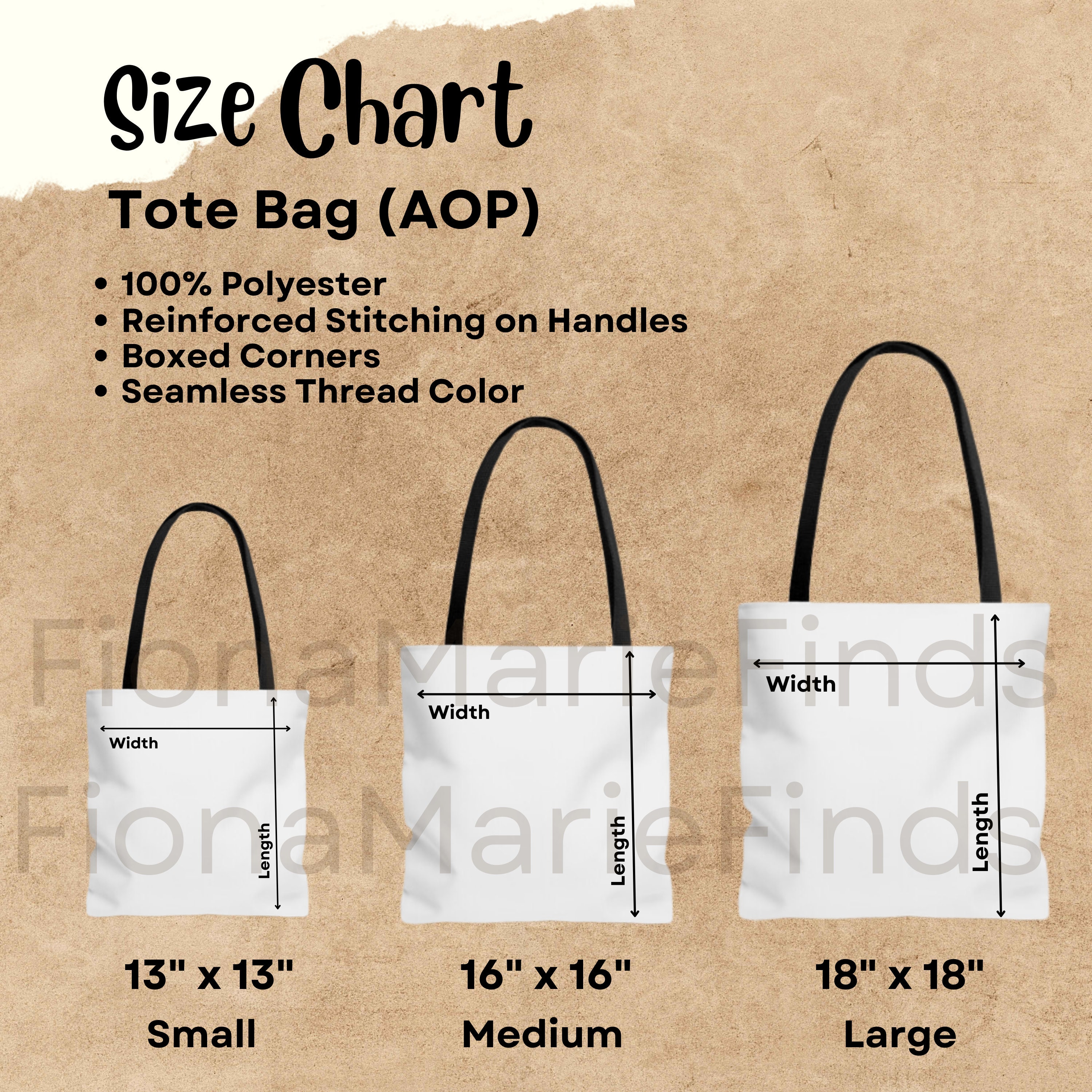
A normal tote bag size ranges from 13 to 15 inches wide, 14 to 16 inches tall, and 4 to 6 inches deep. This size fits daily essentials comfortably and suits most uses. Tote bags typically hold 15 to 25 liters, balancing capacity and portability effectively.
Conclusion
Choosing the right tote bag size helps carry your daily items with ease. Small totes fit essentials like your phone and wallet. Medium totes hold books, lunch, or a light jacket. Large totes carry groceries or work supplies comfortably. Consider the bag’s volume and dimensions before buying.
This way, you avoid carrying too much or too little. Tote bags combine style and function for many occasions. Use this guide to pick a size that fits your needs perfectly. Simple and clear choices make daily life easier.