

Have you ever wondered what exactly a “personal item bag” means when you book a flight? If you’ve been confused about what you can bring on board without paying extra, you’re not alone.
Understanding the personal item bag is key to packing smarter and avoiding surprise fees or hassles at the airport. This small bag holds your must-have essentials—think passport, wallet, electronics, and a few comfort items—and fits neatly under the seat in front of you.
But what counts as a personal item? How big can it be? And what are the rules you need to know? Keep reading, because by the end of this article, you’ll know exactly what your personal item bag means, what to pack, and how to breeze through security like a pro. Your next trip just got a whole lot easier.
Personal Item Bag Basics
Understanding the basics of a personal item bag helps travelers pack smartly. Airlines allow a personal item in addition to a carry-on. This bag holds essentials you want close during your trip. Knowing what fits and why guides your packing choices.
Definition And Purpose
A personal item bag is a small bag allowed on flights. It fits under the seat in front of you. Its purpose is to carry important items you need during travel. These include documents, electronics, and small personal belongings. The bag keeps essentials within easy reach. It helps avoid delays and makes travel comfortable.
Common Bag Types
Several types of bags qualify as personal items. Backpacks sized to fit under seats are popular choices. Tote bags offer easy access and enough space for essentials. Small shoulder bags or crossbody bags work well. Laptop bags designed to fit under seats also count. Each type suits different travel styles and needs.


Carry-on Vs Personal Item
Choosing between a carry-on and a personal item can be confusing. Both allow you to bring essentials on board. Understanding their differences helps you pack smart and travel easy. Airlines have specific rules for each. Knowing these rules avoids surprises at the airport.
Size And Placement Differences
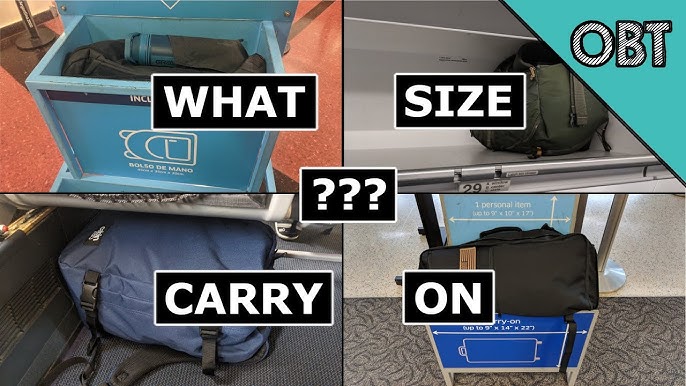
A carry-on bag is larger than a personal item. It usually fits in the overhead bin. A personal item is smaller. It fits under the seat in front of you. Typical personal items include small backpacks or purses. Carry-ons can be small suitcases or larger backpacks. Airlines set size limits for both. Carry-ons take more space and weight allowance.
Airline Allowances
Airlines allow one carry-on and one personal item per passenger. Some low-cost airlines only allow a personal item for free. Carry-ons may require extra fees on some flights. Size and weight limits vary by airline. Checking airline websites before packing is important. Overweight or oversized bags can lead to extra charges. Following the rules saves money and stress.
What To Pack
Packing your personal item bag needs careful thought. It holds essentials you want within reach during travel. This bag stays with you under the seat, so pack smart. Prioritize items you may need quickly or often. Here’s what to include for a smooth trip.
Travel Documents And Money
Keep your passport, ID, and boarding pass handy. Include travel tickets or e-tickets for easy access. Carry some cash and credit cards safely. Use a small wallet or travel organizer to keep them secure.
Electronics And Chargers
Pack your phone, tablet, or e-reader for entertainment. Include all necessary chargers and power banks. Headphones or earbuds help block noise and enjoy media. Store devices in protective cases to avoid damage.
Medications And Personal Care
Bring any prescription medicines you need daily. Add basic over-the-counter meds like pain relievers. Include hand sanitizer and tissues for hygiene. Small personal care items like lip balm or lotion help keep you comfortable.
Snacks And Hydration
Choose non-smelly, easy-to-carry snacks like nuts or granola bars. Pack an empty reusable water bottle to fill after security. Staying hydrated keeps energy up during travel. Avoid bulky or liquid snacks that may cause issues.
Entertainment Essentials
Bring a book, magazine, or downloaded movies for downtime. Puzzle books or travel games can pass time nicely. Keep entertainment lightweight and compact. Avoid items that require internet unless you have Wi-Fi access.
Additional Useful Items
Include a pen for filling out forms or notes. A small scarf or light jacket adds warmth if needed. Pack reusable shopping bags for purchases or extra storage. Consider a neck pillow or eye mask for comfort on flights.
Airline And Tsa Rules
Understanding airline and TSA rules helps avoid issues at the airport. Airlines and TSA have strict guidelines on what you can carry in your personal item bag. Following these rules ensures smooth security checks and a hassle-free boarding process.
Prohibited Items List
TSA bans sharp objects like large scissors and knives in your personal item. Firearms are not allowed unless you follow strict airline regulations. Avoid carrying large blunt objects that may raise security concerns. Always check the latest TSA prohibited items list before packing.
Size And Weight Limits
Airlines set specific size and weight limits for personal item bags. These limits vary between airlines and flight types. Usually, personal items must fit under the seat in front of you. Exceeding size or weight limits may force you to check your bag. Check your airline’s website for exact measurements.
Liquids And Gels Policy
TSA limits liquids and gels in carry-on bags, including personal items. Containers must hold 3.4 ounces (100 milliliters) or less. All containers should fit inside one clear, quart-sized bag. Exceptions apply for medications and baby formula. Follow these rules to pass security without delays.
Choosing The Right Bag
Choosing the right personal item bag matters for a smooth travel experience. It must fit under the seat and hold your essentials comfortably. Selecting the right features helps keep things organized and easy to carry. Consider what you need to bring and how you will use the bag daily.
Material And Durability
The bag’s material affects how long it lasts. Strong fabrics like nylon or polyester resist tears and water. Leather offers style but may weigh more. Durable zippers and seams prevent damage during travel. A sturdy bag protects your items better and stays good-looking longer.
Compartments And Organization
Multiple compartments help keep things neat and easy to find. Separate pockets for electronics, documents, and personal items save time. A dedicated laptop or tablet sleeve offers extra safety. Small zippered sections keep chargers and keys secure. Good organization reduces stress during security checks and flights.
Comfort And Portability
Comfort is key when carrying your bag for hours. Padded straps reduce shoulder strain and make carrying easier. Lightweight bags put less pressure on your body. A compact design fits well under the seat without bulging. Easy-to-grip handles make lifting simple and fast.

Tips For Travel Convenience
Travel convenience depends a lot on how well you prepare and pack your personal item bag. This bag keeps your essentials close and helps you move through airports faster.
Using smart tips can make your trip smoother and less stressful. Here are key ways to improve your travel experience with your personal item bag.
Pre-flight Preparation
Check your airline’s rules about personal item size and weight. Pack only what you really need to avoid extra fees. Organize important documents and electronics in easy-to-reach spots. Charge all your devices before leaving for the airport. Keep medicines and valuables in your personal item, not in checked luggage.
Maximizing Space
Use packing cubes or small pouches to separate items. Roll clothes to save space and reduce wrinkles. Place flat items like books or tablets against the bag’s sides. Choose lightweight and compact items to fill gaps. Avoid bulky containers; transfer liquids into travel-sized bottles.
Handling Security Checks
Keep liquids and gels in clear, resealable bags for quick inspection. Remove laptops and tablets easily by using bags with dedicated compartments. Have your ID and boarding pass ready to show at checkpoints. Wear slip-on shoes to speed up shoe removal. Stay calm and follow TSA instructions for a smooth process.

Frequently Asked Questions
What Is Allowed In A Personal Item Bag?
A personal item bag holds essentials like passport, wallet, phone, medication, snacks, and small electronics. It must fit under the seat. Avoid sharp objects and oversized items. Check your airline’s size and weight rules before flying to ensure compliance.
What Is The Difference Between A Carry-on And A Personal Item?
A personal item is a small bag fitting under the seat, holding essentials. A carry-on is larger, stored in overhead bins. Airlines usually allow both but check size rules before flying.
Can I Use A Backpack As A Personal Item?
Yes, you can use a backpack as a personal item if it fits under the seat and meets airline size limits. Check your airline’s rules before flying.
Can I Have Two Personal Items And A Carry-on?
Most airlines allow one carry-on and one personal item only. Carrying two personal items plus a carry-on usually isn’t permitted. Check your airline’s specific baggage policy for exact rules and size limits before traveling.
Conclusion
A personal item bag holds your essential travel items close. It must fit airline size rules to avoid extra fees. Pack important documents, electronics, medications, and small comforts wisely. Avoid prohibited items like sharp objects or large tools. Checking your airline’s specific rules before packing saves hassle.
Knowing what a personal item means helps you travel smarter. Keep your bag organized for easy access during your journey. Traveling light and prepared makes your trip more comfortable and stress-free.
